
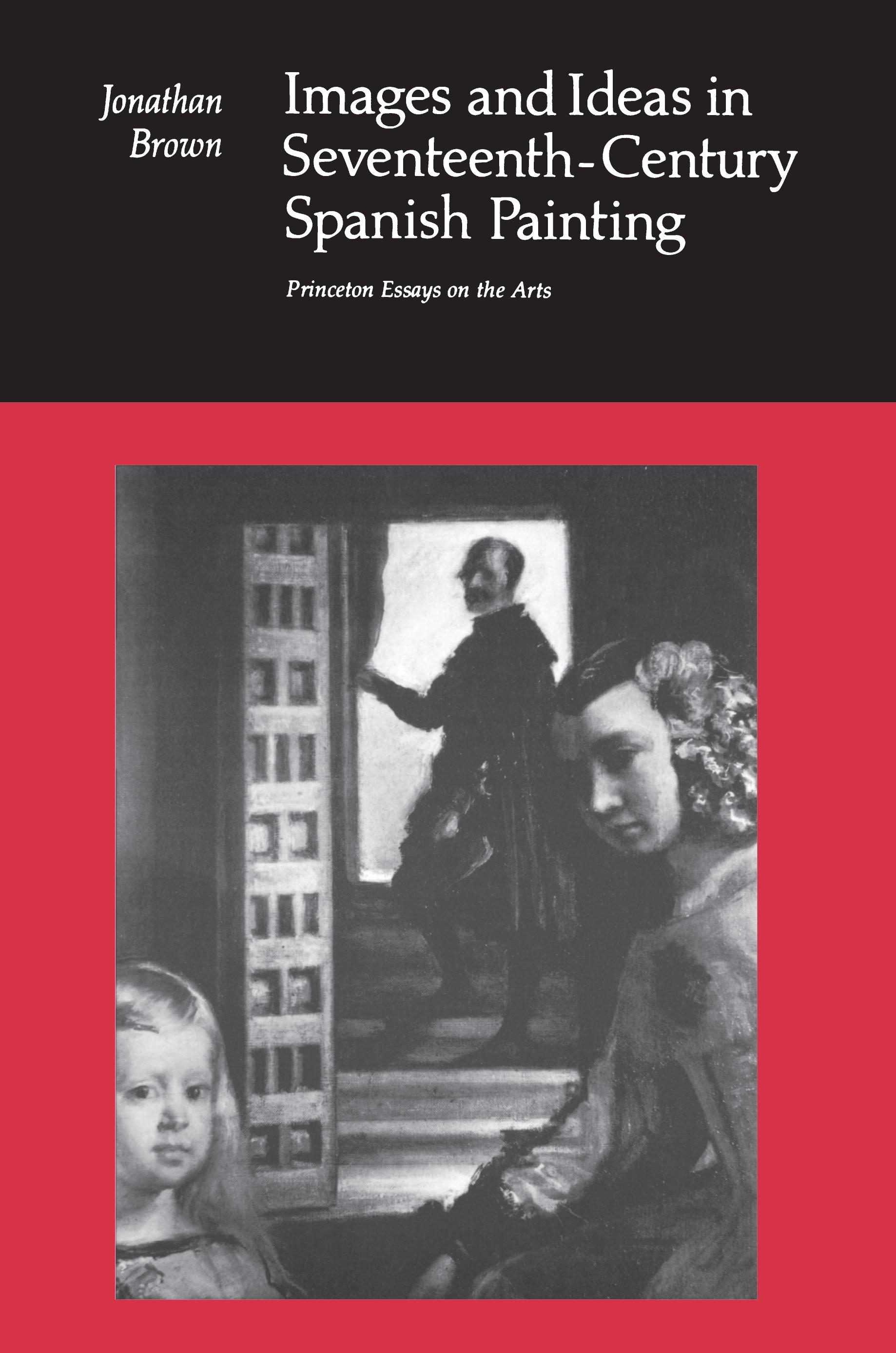
Art historians have often minimized the variety and complexity of seventeenth-century Spanish painting by concentrating on individual artists and their works and by stressing discovery of new information rather than interpretation. As a consequence, the painter emerges in isolation from the forces that shaped his work. Jonathan Brown offers another approach to the subject by relating important Spanish Baroque paintings and painters to their cultural milieu.
A critical survey of the historiography of seventeenth-century Spanish painting introduces this two-part collection of essays. Part One provides the most detailed study to date of the artistic-literary academy of Francisco Pacheco, and Part Two contains original studies of four major painters and their works: Las Meninas of Velázquez, Zurbarán's decoration of the sacristy at Guadalupe, and the work by Murillo and Valdés Leal for the Brotherhood of Charity, Seville. The essays are unified by the author's intention to show how the artists interacted with and responded to the prevailing social, theological, and historical currents of the time. While this contextual approach is not uncommon in the study of European art, it is newly applied here to restore some of the diversity and substance that Spanish Baroque painting originally possessed.
Pay easily by card, Klarna, Apple Pay or Google Pay. Not happy? You always have a 14-day money-back guarantee. Read more in our terms. If you have any questions, email us at hello@memmo.org.
Memmo makes studying easier – wherever you are in the world. We bring your course books and smart study tools together in one place: summaries, quizzes, podcasts and flashcards. Plus Ted, your study buddy who answers anything you wonder. Over 50,000 students already study here – built to help you learn faster and stress less.