
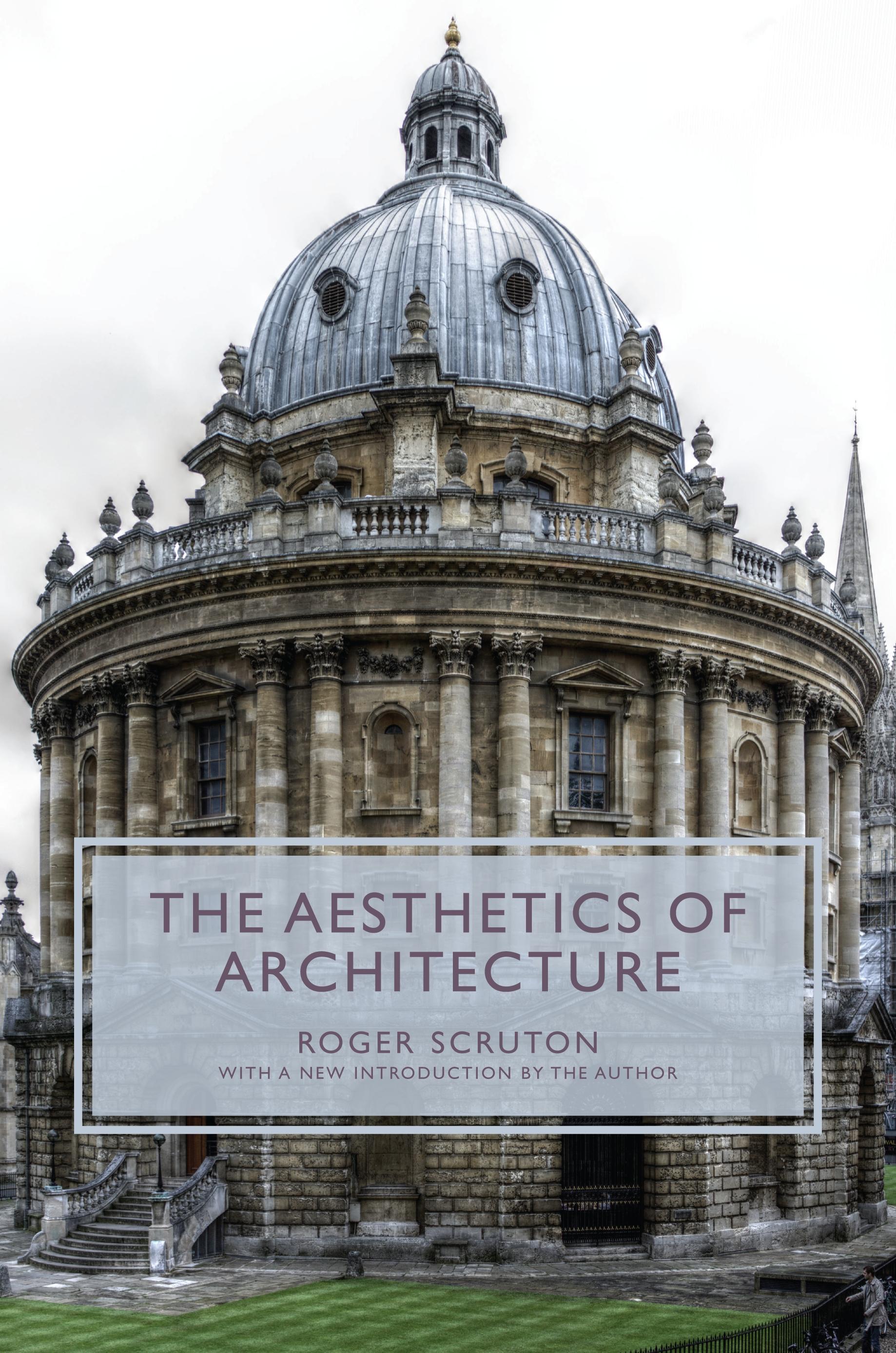
A landmark account of architectural theory and practice from acclaimed philosopher Roger Scruton
Architecture is distinguished from other art forms by its sense of function, its localized quality, its technique, its public and nonpersonal character, and its continuity with the decorative arts. In this important book, Roger Scruton calls for a return to first principles in contemporary architectural theory, contending that the aesthetic of architecture is, in its very essence, an aesthetic of everyday life. Aesthetic understanding is inseparable from a sense of detail and style, from which the appropriate, the expressive, the beautiful, and the proportionate take their meaning. Scruton provides incisive critiques of the romantic, functionalist, and rationalist theories of design, and of the Freudian, Marxist, and semiological approaches to aesthetic value.
In a new introduction, Scruton discusses how his ideas have developed since the book's original publication, and he assesses the continuing relevance of his argument for the twenty-first century.
Pay easily by card, Klarna, Apple Pay or Google Pay. Not happy? You always have a 14-day money-back guarantee. Read more in our terms. If you have any questions, email us at hello@memmo.org.
Memmo makes studying easier – wherever you are in the world. We bring your course books and smart study tools together in one place: summaries, quizzes, podcasts and flashcards. Plus Ted, your study buddy who answers anything you wonder. Over 75,000 students already study here – built to help you learn faster and stress less.