
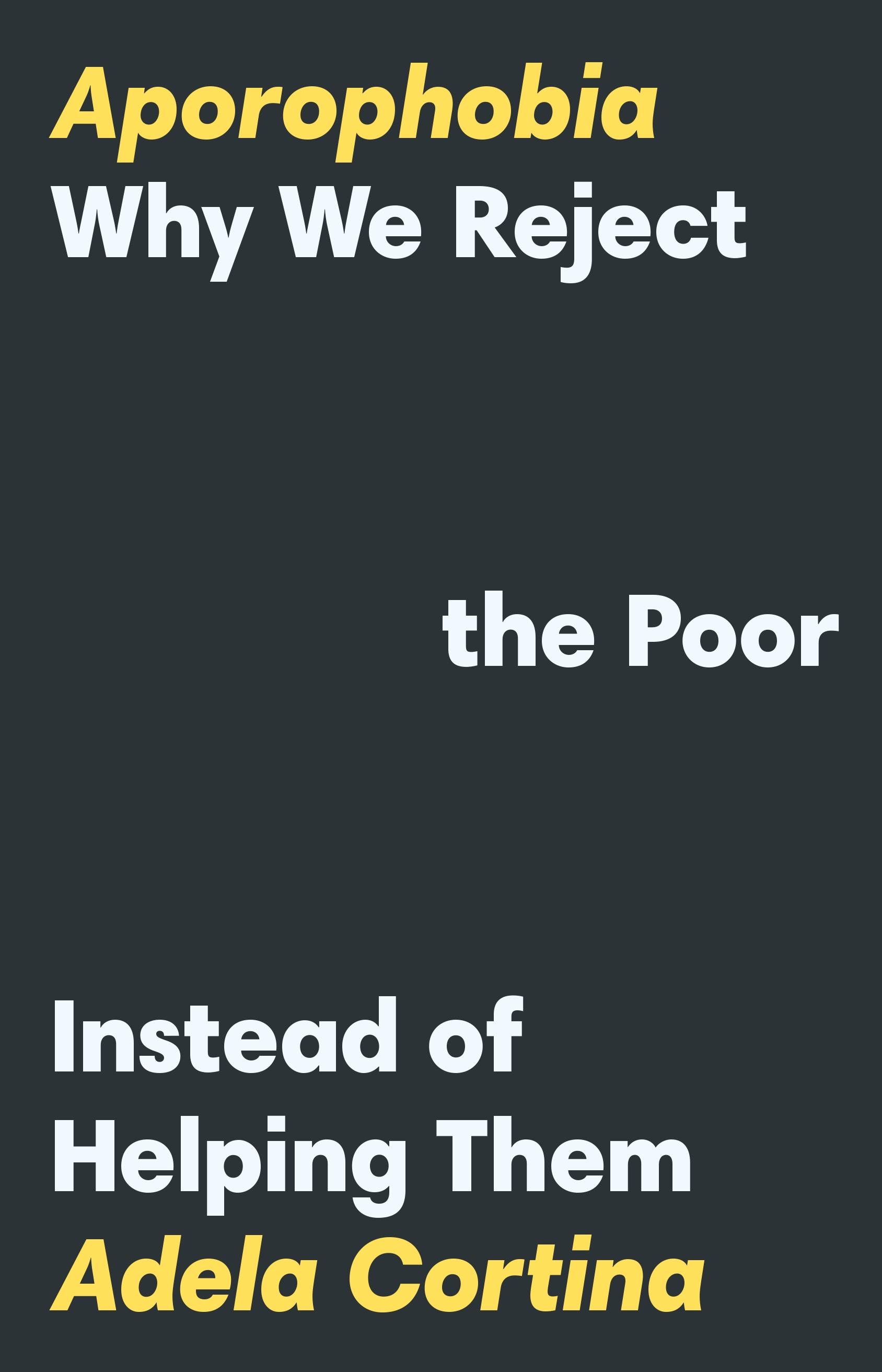
Why “aporophobia”—rejection of the poor—is one of the most serious problems facing the world today, and how we can fight it
In this revelatory book, acclaimed political philosopher Adela Cortina makes an unprecedented assertion: the biggest problem facing the world today is the rejection of poor people. Because we can’t recognize something we can’t name, she proposes the term “aporophobia” for the pervasive exclusion, stigmatization, and humiliation of the poor, which cuts across xenophobia, racism, antisemitism, and other prejudices. Passionate and powerful, Aporophobia examines where this nearly invisible daily attack on poor people comes from, why it is so harmful, and how we can fight it.
Aporophobia traces this universal prejudice’s neurological and social origins and its wide-ranging, pernicious consequences, from unnoticed hate crimes to aporophobia’s threat to democracy. It sheds new light on today’s rampant anti-immigrant feeling, which Cortina argues is better understood as aporophobia than xenophobia. We reject migrants not because of their origin, race, or ethnicity but because they seem to bring problems while offering nothing of value. And this is unforgivable in societies that enshrine economic exchange as the supreme value while forgetting that we can’t create communities worth living in without dignity, generosity, and compassion for all. Yet there is hope, and Cortina explains how we can overcome the moral, social, and political disaster of aporophobia through education and democratic institutions, and how poverty itself can be eradicated if we choose.
In a world of migrant crises and economic inequality, Aporophobia is essential for understanding and confronting one of the most serious problems of the twenty-first century.
Pay easily by card, Klarna, Apple Pay or Google Pay. Not happy? You always have a 14-day money-back guarantee. Read more in our terms. If you have any questions, email us at hello@memmo.org.
Memmo makes studying easier – wherever you are in the world. We bring your course books and smart study tools together in one place: summaries, quizzes, podcasts and flashcards. Plus Ted, your study buddy who answers anything you wonder. Over 50,000 students already study here – built to help you learn faster and stress less.