
How the idea of the author was born in the battleground of gender
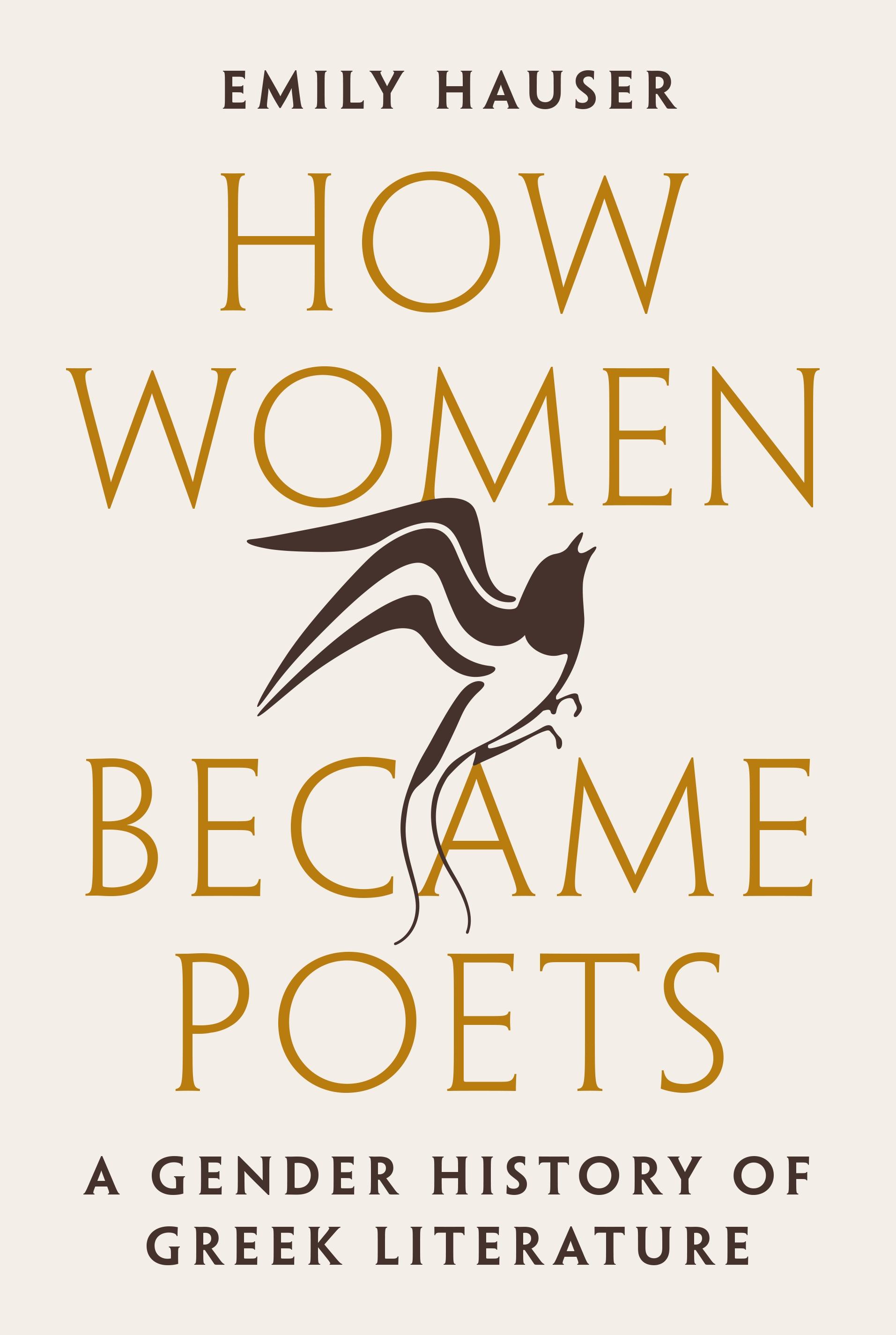
When Sappho sang her songs, the only word that existed to describe a poet was a male one—aoidos, or “singer-man.” The most famous woman poet of ancient Greece, whose craft was one of words, had no words with which to talk about who she was and what she did. In How Women Became Poets, Emily Hauser rewrites the story of Greek literature as one of gender, arguing that the ways the Greeks talked about their identity as poets constructed, played with, and broke down gender expectations that literature was for men alone. Bringing together recent studies in ancient authorship, gender, and performativity, Hauser offers a new history of classical literature that redefines the canon as a constant struggle to be heard through, and sometimes despite, gender.
Women, as Virginia Woolf recognized, need rooms of their own in order to write. So, too, have women writers through history needed a name to describe what it is they do. Hauser traces the invention of that name in ancient Greece, exploring the archaeology of the gendering of the poet. She follows ancient Greek poets, philosophers, and historians as they developed and debated the vocabulary for authorship on the battleground of gender—building up and reinforcing the word for male poet, then in response creating a language with which to describe women who write. Crucially, Hauser reinserts women into the traditionally all-male canon of Greek literature, arguing for the centrality of their role in shaping ideas around authorship and literary production.
Pay easily by card, Klarna, Apple Pay or Google Pay. Not happy? You always have a 14-day money-back guarantee. Read more in our terms. If you have any questions, email us at hello@memmo.org.
Memmo makes studying easier – wherever you are in the world. We bring your course books and smart study tools together in one place: summaries, quizzes, podcasts and flashcards. Plus Ted, your study buddy who answers anything you wonder. Over 75,000 students already study here – built to help you learn faster and stress less.