
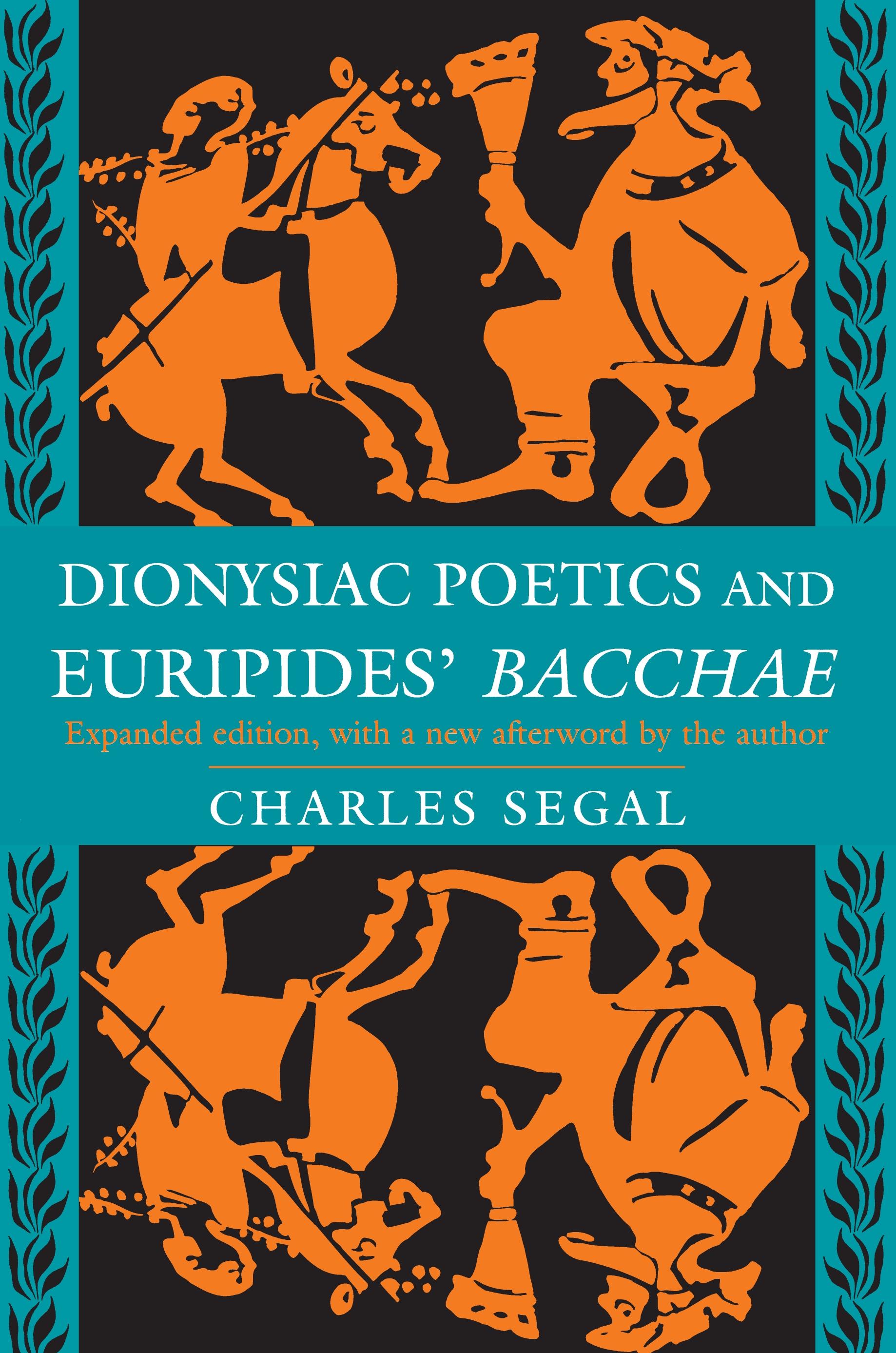
In his play Bacchae, Euripides chooses as his central figure the god who crosses the boundaries among god, man, and beast, between reality and imagination, and between art and madness. In so doing, he explores what in tragedy is able to reach beyond the social, ritual, and historical context from which tragedy itself rises. Charles Segal's reading of Euripides' Bacchae builds gradually from concrete details of cult, setting, and imagery to the work's implications for the nature of myth, language, and theater. This volume presents the argument that the Dionysiac poetics of the play characterize a world view and an art form that can admit logical contradictions and hold them in suspension.
Pay easily by card, Klarna, Apple Pay or Google Pay. Not happy? You always have a 14-day money-back guarantee. Read more in our terms. If you have any questions, email us at hello@memmo.org.
Memmo makes studying easier – wherever you are in the world. We bring your course books and smart study tools together in one place: summaries, quizzes, podcasts and flashcards. Plus Ted, your study buddy who answers anything you wonder. Over 75,000 students already study here – built to help you learn faster and stress less.