
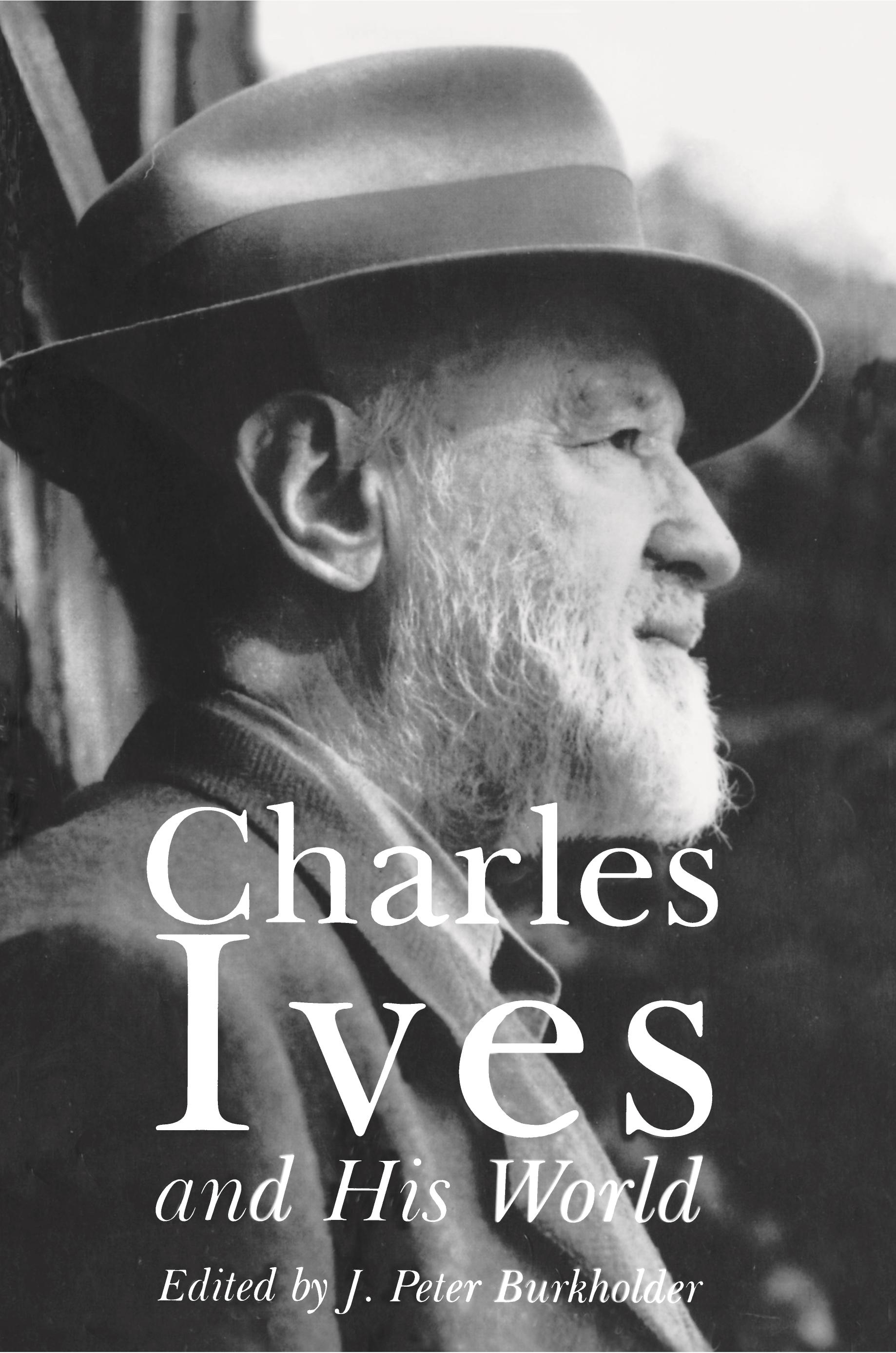
This volume shows Charles Ives in the context of his world in a number of revealing ways. Five new essays examine Ives's relationships to European music and to American music, politics, business, and landscape. J. Peter Burkholder shows Ives as a composer well versed in four distinctive musical traditions who blended them in his mature music. Leon Botstein explores the paradox of how, in the works of Ives and Mahler, musical modernism emerges from profoundly antimodern sensibilities. David Michael Hertz reveals unsuspected parallels between one of Ives's most famous pieces, the Concord Piano Sonata, and the piano sonatas of Liszt and Scriabin. Michael Broyles sheds new light on Ives's political orientation and on his career in the insurance business, and Mark Tucker shows the importance for Ives of his vacations in the Adirondacks and the representation of that landscape in his music.
The remainder of the book presents documents that illuminate Ives's personal life. A selection of some sixty letters to and from Ives and his family, edited and annotated by Tom C. Owens, is the first substantial collection of Ives correspondence to be published. Two sections of reviews and longer profiles published during his lifetime highlight the important stages in the reception of Ives's music, from his early works through the premieres of his most important compositions to his elevation as an almost mythic figure with a reputation among some critics as America's greatest composer.
Pay easily by card, Klarna, Apple Pay or Google Pay. Not happy? You always have a 14-day money-back guarantee. Read more in our terms. If you have any questions, email us at hello@memmo.org.
Memmo makes studying easier – wherever you are in the world. We bring your course books and smart study tools together in one place: summaries, quizzes, podcasts and flashcards. Plus Ted, your study buddy who answers anything you wonder. Over 50,000 students already study here – built to help you learn faster and stress less.