
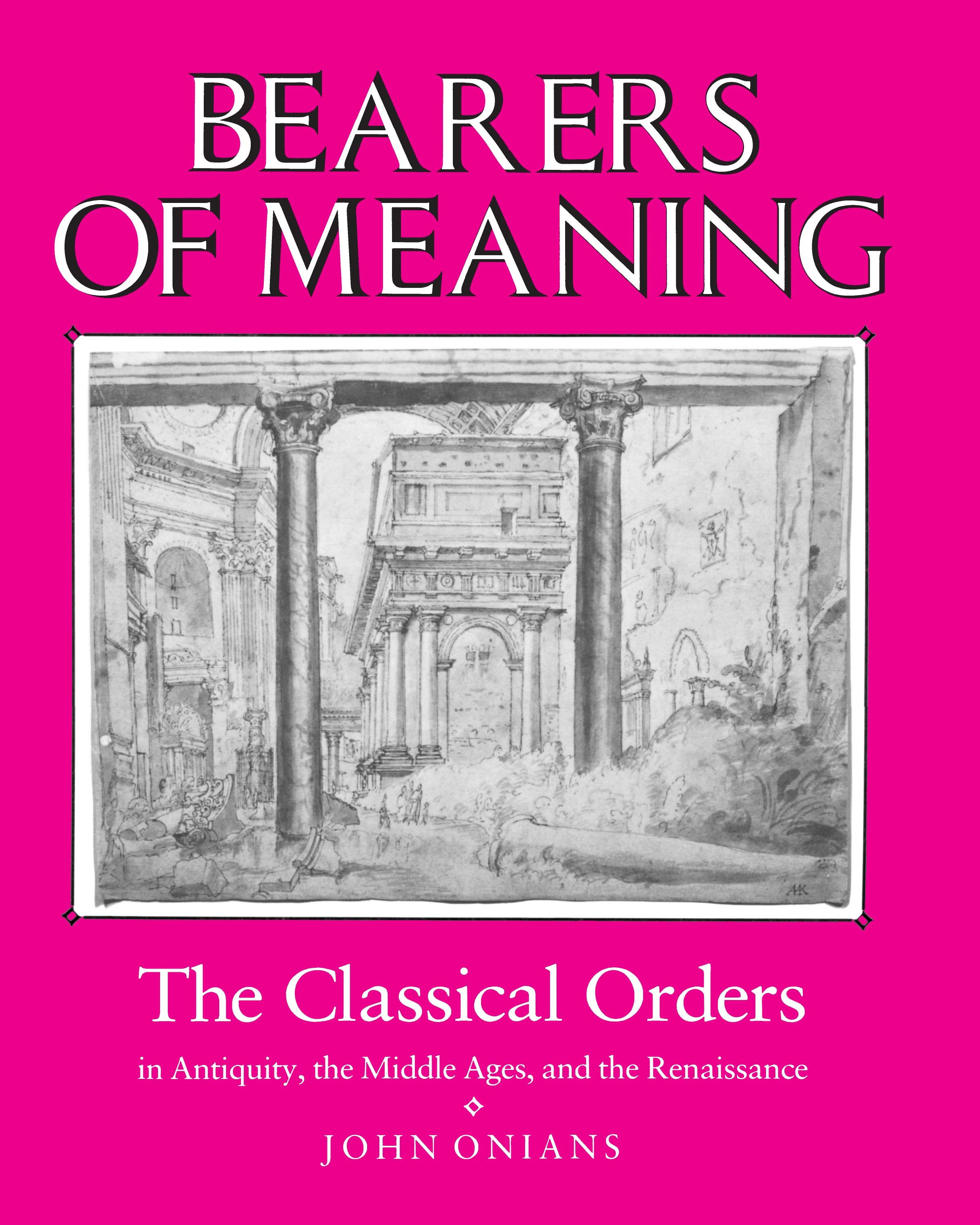
For all those interested in the relationship between ideas and the built environment, John Onians provides a lively illustrated account of the range of meanings that Western culture has assigned to the Classical orders. Onians shows that during the 2,000 years from their first appearance in ancient Greece through their codification in Renaissance Italy, the orders--the columns and capitals known as Doric, Ionic, Corinthian, Tuscan, and Composite--were made to serve expressive purposes, engaging the viewer in a continuing visual dialogue.
Pay easily by card, Klarna, Apple Pay or Google Pay. Not happy? You always have a 14-day money-back guarantee. Read more in our terms. If you have any questions, email us at hello@memmo.org.
Memmo makes studying easier – wherever you are in the world. We bring your course books and smart study tools together in one place: summaries, quizzes, podcasts and flashcards. Plus Ted, your study buddy who answers anything you wonder. Over 75,000 students already study here – built to help you learn faster and stress less.