
The first major history of the bravura movement in European painting
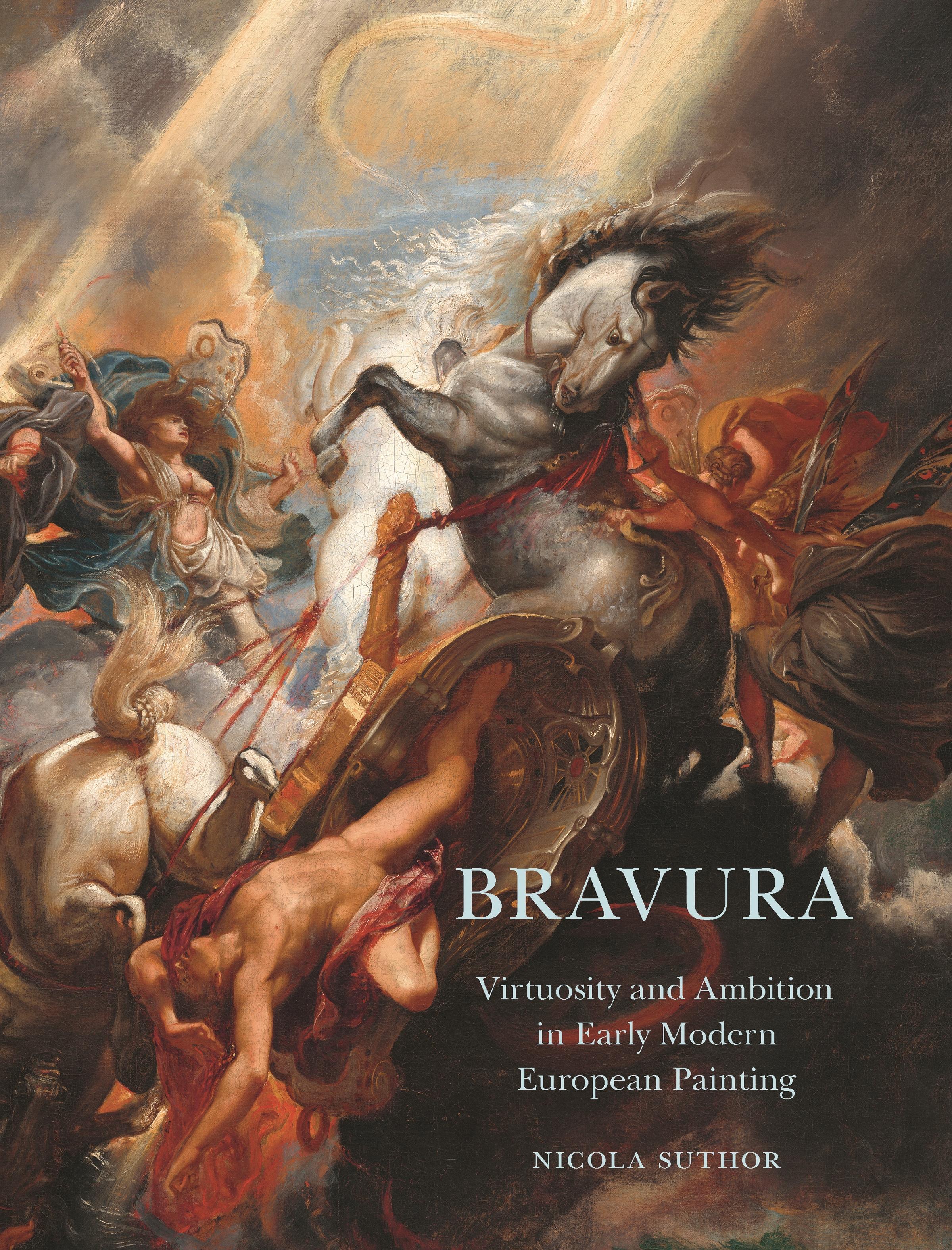
The painterly style known as bravura emerged in sixteenth-century Venice and spread throughout Europe during the seventeenth century. While earlier artistic movements presented a polished image of the artist by downplaying the creative process, bravura celebrated a painter’s distinct materials, virtuosic execution, and theatrical showmanship. This resulted in the further development of innovative techniques and a popular understanding of the artist as a weapon-wielding acrobat, impetuous wunderkind, and daring rebel. In Bravura, Nicola Suthor offers the first in-depth consideration of bravura as an artistic and cultural phenomenon. Through history, etymology, and in-depth analysis of works by such important painters as Franҫois Boucher, Caravaggio, Francisco Goya, Frans Hals, Peter Paul Rubens, Tintoretto, and Diego Velázquez, Suthor explores the key elements defining bravura’s richness and power.
Suthor delves into how bravura’s unique and groundbreaking methods—visible brushstrokes, sharp chiaroscuro, severe foreshortening of the body, and other forms of visual emphasis—cause viewers to feel intensely the artist’s touch. Examining bravura’s etymological history, she traces the term’s associations with courage, boldness, spontaneity, imperiousness, and arrogance, as well as its links to fencing, swordsmanship, henchmen, mercenaries, and street thugs. Suthor discusses the personality cult of the transgressive, self-taught, antisocial genius, and the ways in which bravura artists, through their stunning displays of skill, sought applause and admiration.
Filled with captivating images by painters testing the traditional boundaries of aesthetic excellence, Bravura raises important questions about artistic performance and what it means to create art.
Pay easily by card, Klarna, Apple Pay or Google Pay. Not happy? You always have a 14-day money-back guarantee. Read more in our terms. If you have any questions, email us at hello@memmo.org.
Memmo makes studying easier – wherever you are in the world. We bring your course books and smart study tools together in one place: summaries, quizzes, podcasts and flashcards. Plus Ted, your study buddy who answers anything you wonder. Over 50,000 students already study here – built to help you learn faster and stress less.