
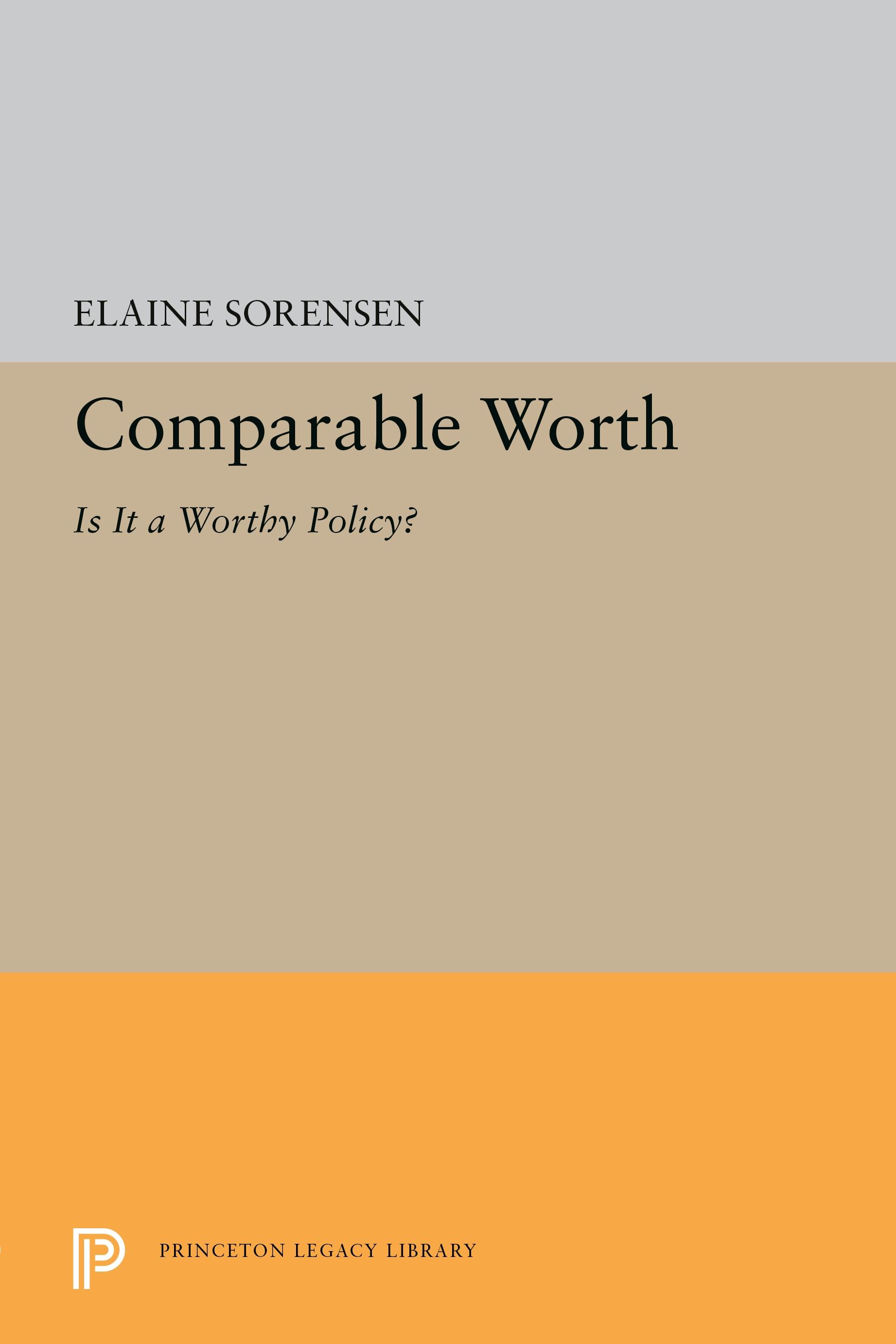
For decades women working as nurses, librarians, and secretaries have argued that they are paid less than men in jobs requiring comparable skill and effort. By the late 1980s, the notion of "comparable worth" had become a familiar one, and comparable worth initiatives were being developed to counteract the persistent disparities between male and female pay. In a comprehensive assessment of this policy, Elaine Sorensen lays out the various approaches states have taken, identifying the most and least successful among them.
The author attributes part of the gender pay gap to economic discrimination and suggests theoretical models that best explain this discrimination. She examines the usefulness of comparable worth policies as a means of reducing male/female wage disparities. Minnesota's policies are examined in detail as an example of promising efforts in this regard. Sorensen ends by examining comparable worth's likely future fate in Congress and the courts.
Elaine Sorensen is Senior Research Associate at the Urban Institute in Washington, D.C.
Originally published in 1994.
The Princeton Legacy Library uses the latest print-on-demand technology to again make available previously out-of-print books from the distinguished backlist of Princeton University Press. These editions preserve the original texts of these important books while presenting them in durable paperback and hardcover editions. The goal of the Princeton Legacy Library is to vastly increase access to the rich scholarly heritage found in the thousands of books published by Princeton University Press since its founding in 1905.
Pay easily by card, Klarna, Apple Pay or Google Pay. Not happy? You always have a 14-day money-back guarantee. Read more in our terms. If you have any questions, email us at hello@memmo.org.
Memmo makes studying easier – wherever you are in the world. We bring your course books and smart study tools together in one place: summaries, quizzes, podcasts and flashcards. Plus Ted, your study buddy who answers anything you wonder. Over 50,000 students already study here – built to help you learn faster and stress less.