
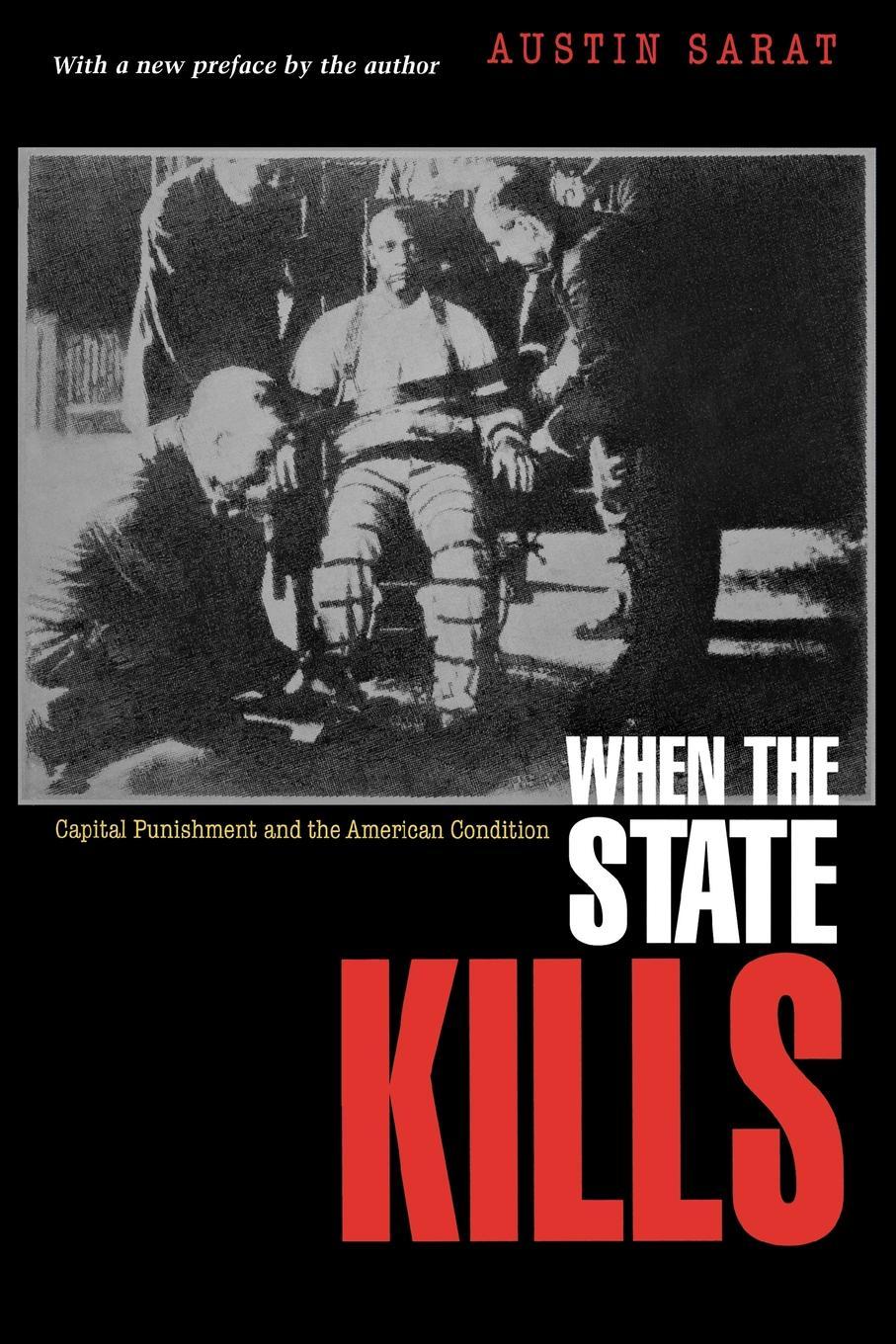
Is capital punishment just? Does it deter people from murder? What is the risk that we will execute innocent people? These are the usual questions at the heart of the increasingly heated debate about capital punishment in America. In this bold and impassioned book, Austin Sarat seeks to change the terms of that debate. Capital punishment must be stopped, Sarat argues, because it undermines our democratic society.
Sarat unflinchingly exposes us to the realities of state killing. He examines its foundations in ideas about revenge and retribution. He takes us inside the courtroom of a capital trial, interviews jurors and lawyers who make decisions about life and death, and assesses the arguments swirling around Timothy McVeigh and his trial for the bombing in Oklahoma City. Aided by a series of unsettling color photographs, he traces Americans' evolving quest for new methods of execution, and explores the place of capital punishment in popular culture by examining such films as Dead Man Walking, The Last Dance, and The Green Mile.
Sarat argues that state executions, once used by monarchs as symbolic displays of power, gained acceptance among Americans as a sign of the people's sovereignty. Yet today when the state kills, it does so in a bureaucratic procedure hidden from view and for which no one in particular takes responsibility. He uncovers the forces that sustain America's killing culture, including overheated political rhetoric, racial prejudice, and the desire for a world without moral ambiguity. Capital punishment, Sarat shows, ultimately leaves Americans more divided, hostile, indifferent to life's complexities, and much further from solving the nation's ills. In short, it leaves us with an impoverished democracy.
The book's powerful and sobering conclusions point to a new abolitionist politics, in which capital punishment should be banned not only on ethical grounds but also for what it does to Americans and what we cherish.
Pay easily by card, Klarna, Apple Pay or Google Pay. Not happy? You always have a 14-day money-back guarantee. Read more in our terms. If you have any questions, email us at hello@memmo.org.
Memmo makes studying easier – wherever you are in the world. We bring your course books and smart study tools together in one place: summaries, quizzes, podcasts and flashcards. Plus Ted, your study buddy who answers anything you wonder. Over 50,000 students already study here – built to help you learn faster and stress less.