
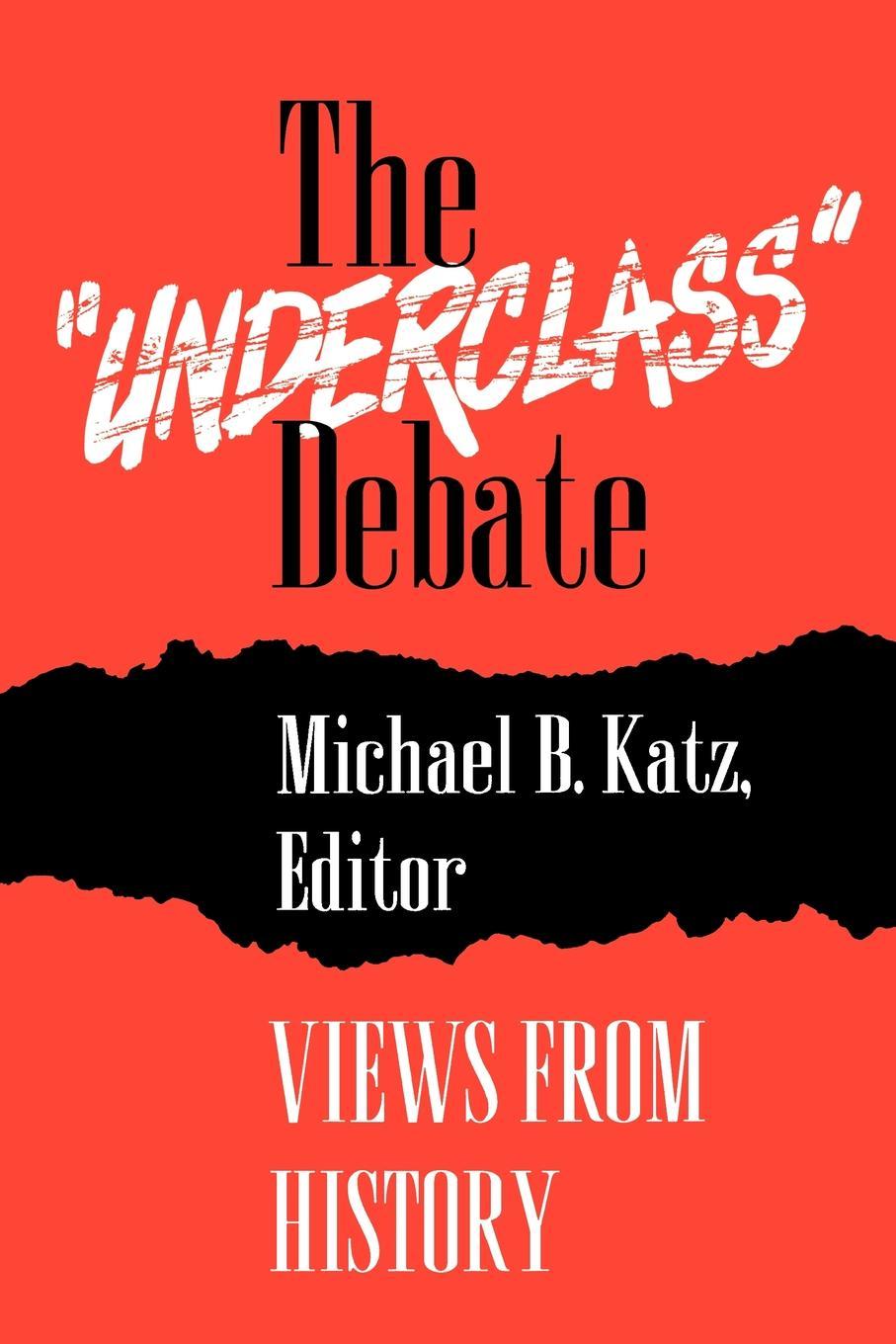
Do ominous reports of an emerging "underclass" reveal an unprecedented crisis in American society? Or are social commentators simply rediscovering the tragedy of recurring urban poverty, as they seem to do every few decades? Although social scientists and members of the public make frequent assumptions about these questions, they have little information about the crucial differences between past and present. By providing a badly needed historical context, these essays reframe today's "underclass" debate. Realizing that labels of "social pathology" echo fruitless distinctions between the "deserving" and "undeserving" poor, the contributors focus not on individual and family behavior but on a complex set of processes that have been at work over a long period, degrading the inner cities and, inevitably, the nation as a whole.
How do individuals among the urban poor manage to survive? How have they created a dissident "infrapolitics?" How have social relations within the urban ghettos changed? What has been the effect of industrial restructuring on poverty? Besides exploring these questions, the contributors discuss the influence of African traditions on the family patterns of African Americans, the origins of institutions that serve the urban poor, the reasons for the crisis in urban education, the achievements and limits of the War on Poverty, and the role of income transfers, earnings, and the contributions of family members in overcoming poverty. The message of the essays is clear: Americans will flourish or fail together.
Pay easily by card, Klarna, Apple Pay or Google Pay. Not happy? You always have a 14-day money-back guarantee. Read more in our terms. If you have any questions, email us at hello@memmo.org.
Memmo makes studying easier – wherever you are in the world. We bring your course books and smart study tools together in one place: summaries, quizzes, podcasts and flashcards. Plus Ted, your study buddy who answers anything you wonder. Over 50,000 students already study here – built to help you learn faster and stress less.