
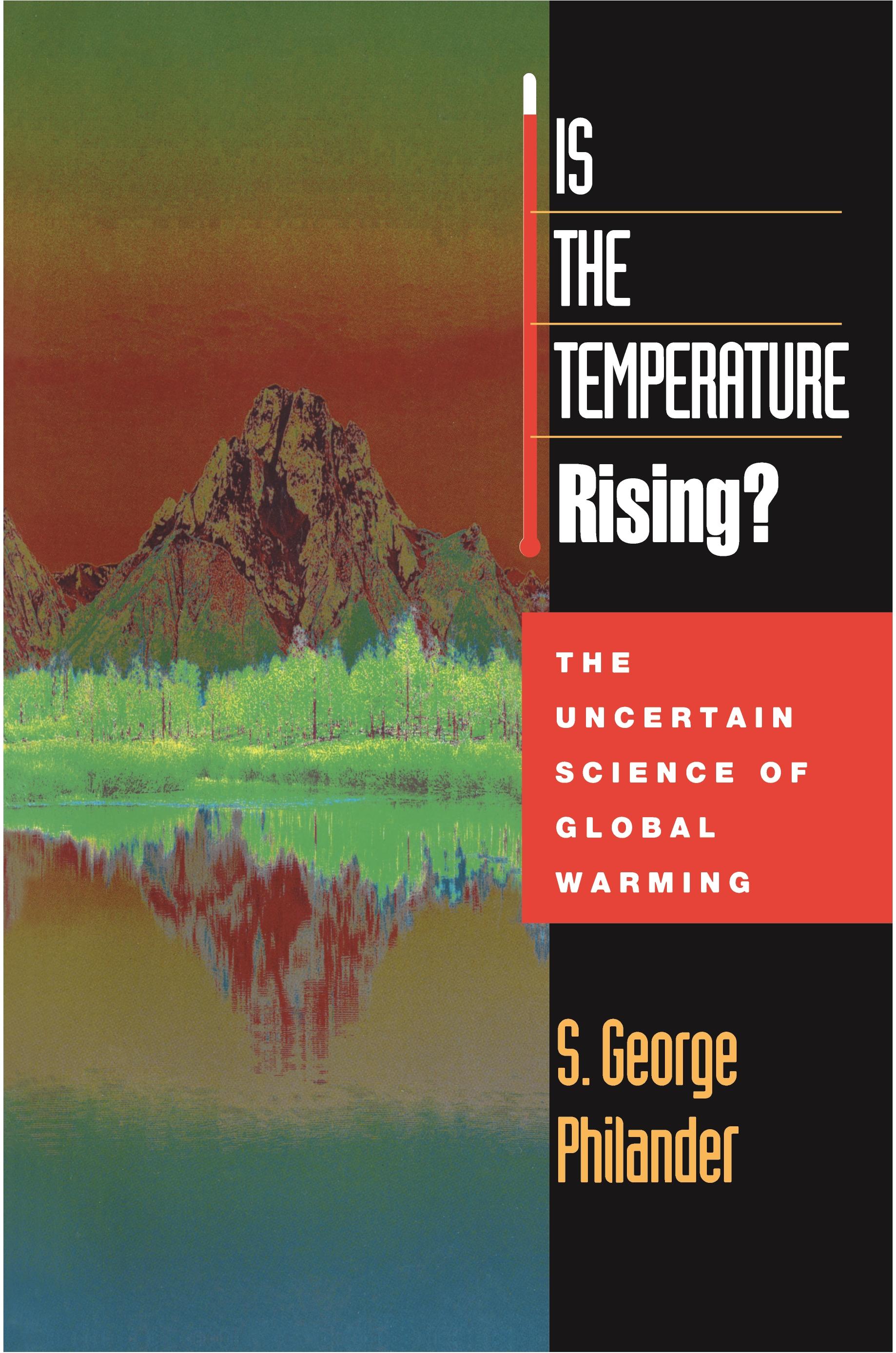
Most of us have heard the dire predictions about global warming. Some experts insist that warming has already started, and they warn of such impending disasters as the sea level rising to flood coastal cities. Others, however, have issued loud counterclaims, assuring us that global warming is a myth based on misleading data. How can we tell who is right, and how we should respond? And why is there no scientific consensus on a matter of such vital importance? George Philander addresses these questions in this book, as he guides the nonscientific reader through new ideas about the remarkable and intricate factors that determine the world's climate.
In simple, nontechnical language, Philander describes how the interplay between familiar yet endlessly fascinating phenomena--winds and clouds, light and air, land and sea--maintains climates that permit a glorious diversity of fauna and flora to flourish on Earth. That interplay also creates such potent weather disrupters as El Niño and La Niña, translates modest fluctuations in sunlight into global climate changes as dramatic as the Ice Age, and determines the Earth's response to the gases we are discharging into the atmosphere, such as those that led to the ozone hole over Antarctica and those that are likely to cause global warming. In his discussion of these matters, Philander emphasizes that our planet is so complex that the scientific results will always have uncertainties. To continue to defer action on environmental problems, on the grounds that more accurate scientific results will soon be available, could lead to a crisis. To make wise decisions, it will help if the public is familiar with the geosciences, which explore the processes that make ours a habitable planet.
The book is an excellent introduction to the basics of the Earth's climate and weather, and will be an important contribution to the debate about climate change and the relationship between scientific knowledge and public affairs.
Pay easily by card, Klarna, Apple Pay or Google Pay. Not happy? You always have a 14-day money-back guarantee. Read more in our terms. If you have any questions, email us at hello@memmo.org.
Memmo makes studying easier – wherever you are in the world. We bring your course books and smart study tools together in one place: summaries, quizzes, podcasts and flashcards. Plus Ted, your study buddy who answers anything you wonder. Over 50,000 students already study here – built to help you learn faster and stress less.