
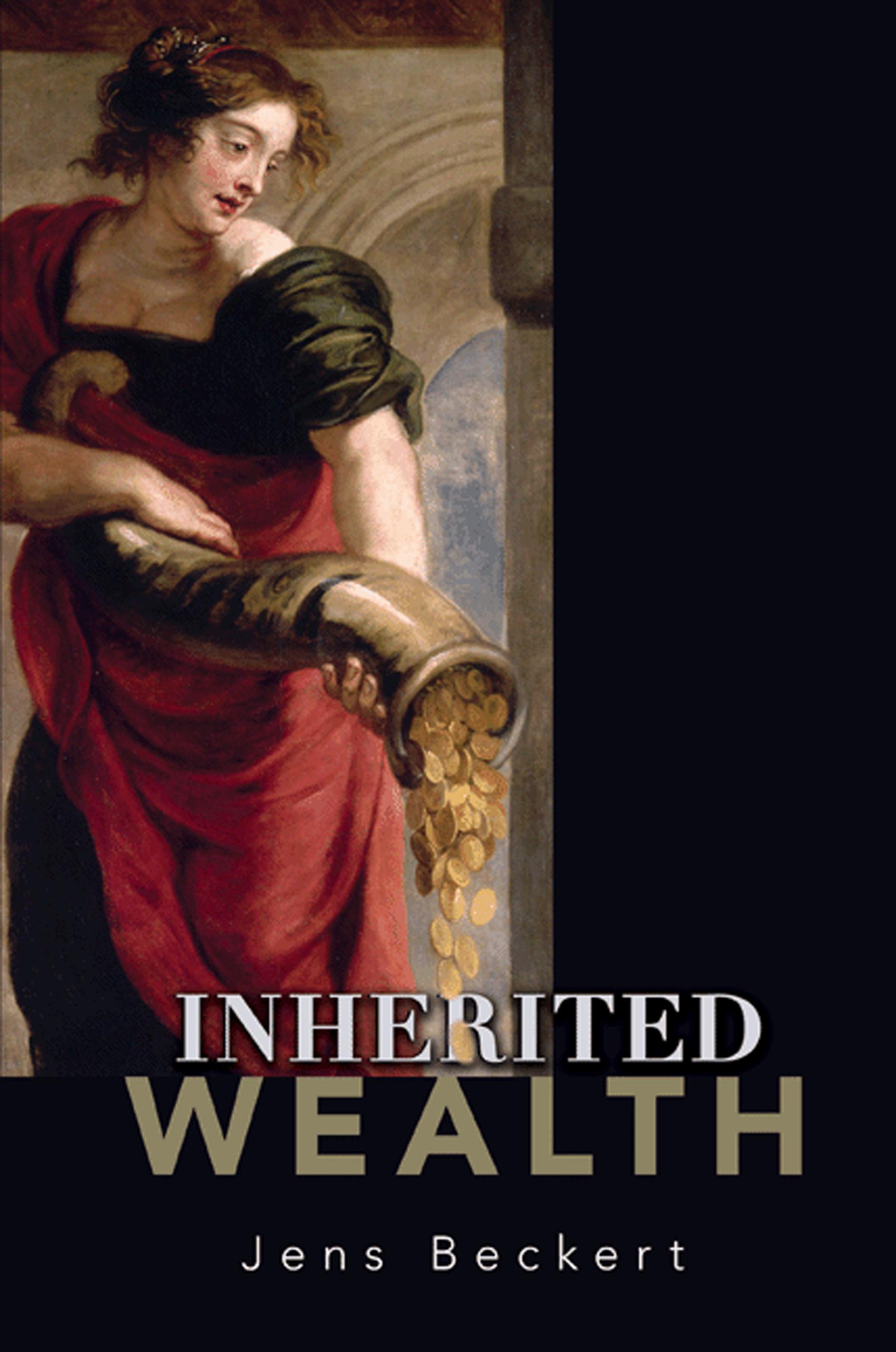
How to regulate the transfer of wealth from one generation to the next has been hotly debated among politicians, legal scholars, sociologists, economists, and philosophers for centuries. Bequeathing wealth is a vital ingredient of family solidarity. But does the reproduction of social inequality through inheritance square with the principle of equal opportunity? Does democracy suffer when family wealth becomes political power?
The first in-depth, comparative study of the development of inheritance law in the United States, France, and Germany, Inherited Wealth investigates longstanding political and intellectual debates over inheritance laws and explains why these laws still differ so greatly among these countries. Using a sociological perspective, Jens Beckert sheds light on the four most controversial issues in inheritance law during the past two centuries: the freedom to dispose of one's property as one wishes, the rights of family members to the wealth bequeathed, the dissolution of entails (which restrict inheritance to specific classes of heirs), and estate taxation. Beckert shows that while the United States, France, and Germany have all long defended inheritance rights based on the notion of individual property rights, they have justified limitations on inheritance rights in profoundly different ways, reflecting culturally specific ways of understanding the problems of inherited wealth.
Pay easily by card, Klarna, Apple Pay or Google Pay. Not happy? You always have a 14-day money-back guarantee. Read more in our terms. If you have any questions, email us at hello@memmo.org.
Memmo makes studying easier – wherever you are in the world. We bring your course books and smart study tools together in one place: summaries, quizzes, podcasts and flashcards. Plus Ted, your study buddy who answers anything you wonder. Over 50,000 students already study here – built to help you learn faster and stress less.