
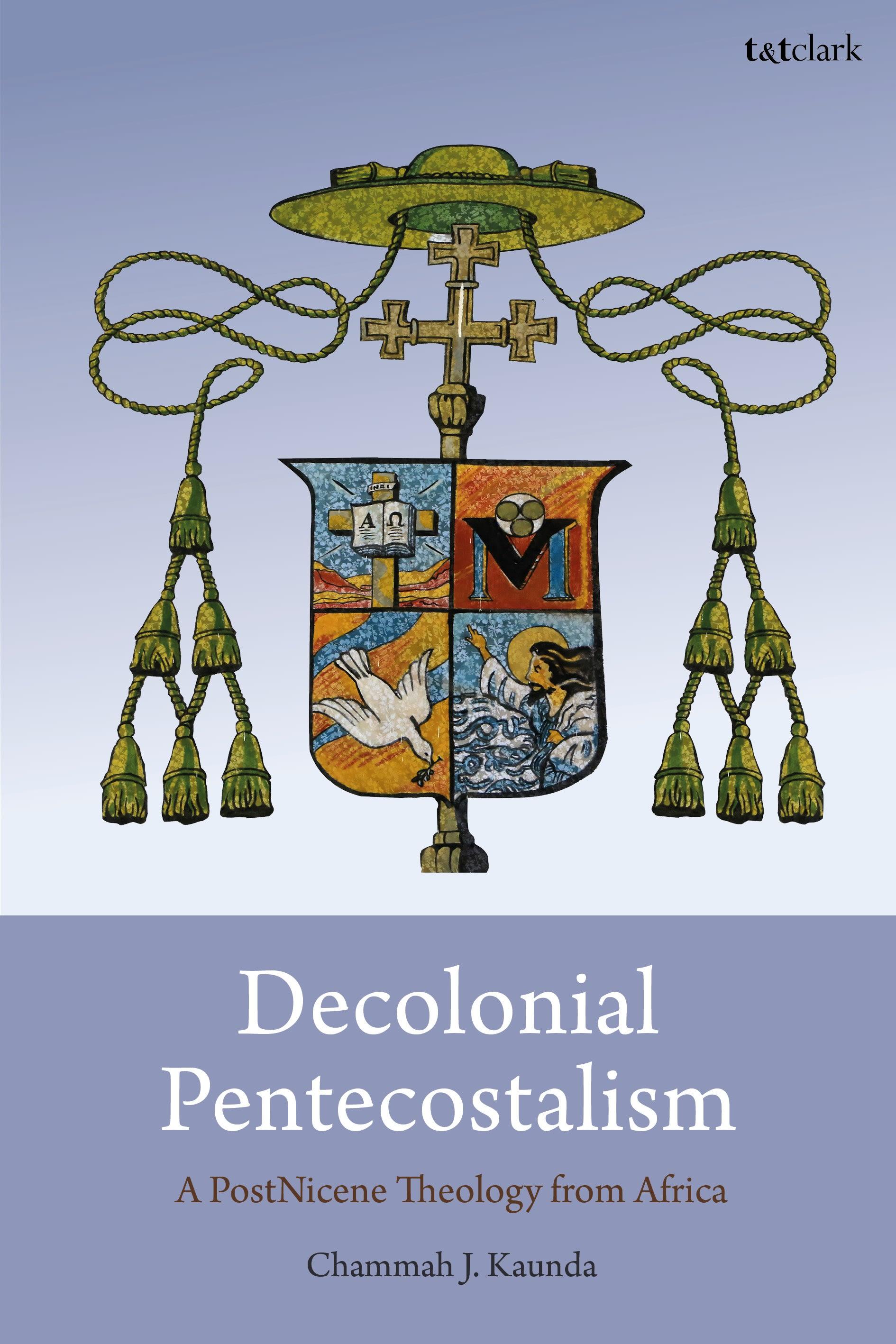
The book presents a bold and transformative exploration of how Pentecostal theology can be revitalized by critically engaging with the Nicene Creed through the lens of African spirituality and decolonial thought.
In an era marked by profound cultural exchanges and theological diversification, Kaunda challenges traditional Nicene faith and calls for a new approach that reflects the pluralistic realities of the 21st century. Rooted in the rich metaphysical and philosophical traditions of the Bemba people of Zambia, the book critiques the classical dualistic interpretations of Christian theology, which have long emphasized divisions between the sacred and secular, material and spiritual, human and nonhuman.
Through a decolonial framework, this powerful work seeks to dismantle these entrenched dualisms and reintroduce an integrated approach to faith, one that embraces the interconnectedness of all things. African indigenous concepts are central to this reimagining of Nicene Christianity. It demonstrates how Pentecostalism, with its emphasis on the Spirit's dynamic presence, can speak powerfully to issues such as gender relations, ecological crises, power dynamics, and the lived realities of African communities. Grounding theological reflection in the lived experiences and cultural contexts of African Pentecostal believers, Kaunda reveals a more holistic, contextually resonant, and responsive form of Christian theology.
In an era marked by profound cultural exchanges and theological diversification, Kaunda challenges traditional Nicene faith and calls for a new approach that reflects the pluralistic realities of the 21st century. Rooted in the rich metaphysical and philosophical traditions of the Bemba people of Zambia, the book critiques the classical dualistic interpretations of Christian theology, which have long emphasized divisions between the sacred and secular, material and spiritual, human and nonhuman.
Through a decolonial framework, this powerful work seeks to dismantle these entrenched dualisms and reintroduce an integrated approach to faith, one that embraces the interconnectedness of all things. African indigenous concepts are central to this reimagining of Nicene Christianity. It demonstrates how Pentecostalism, with its emphasis on the Spirit's dynamic presence, can speak powerfully to issues such as gender relations, ecological crises, power dynamics, and the lived realities of African communities. Grounding theological reflection in the lived experiences and cultural contexts of African Pentecostal believers, Kaunda reveals a more holistic, contextually resonant, and responsive form of Christian theology.
Pay easily by card, Klarna, Apple Pay or Google Pay. Not happy? You always have a 14-day money-back guarantee. Read more in our terms. If you have any questions, email us at hello@memmo.org.
Memmo makes studying easier – wherever you are in the world. We bring your course books and smart study tools together in one place: summaries, quizzes, podcasts and flashcards. Plus Ted, your study buddy who answers anything you wonder. Over 50,000 students already study here – built to help you learn faster and stress less.