
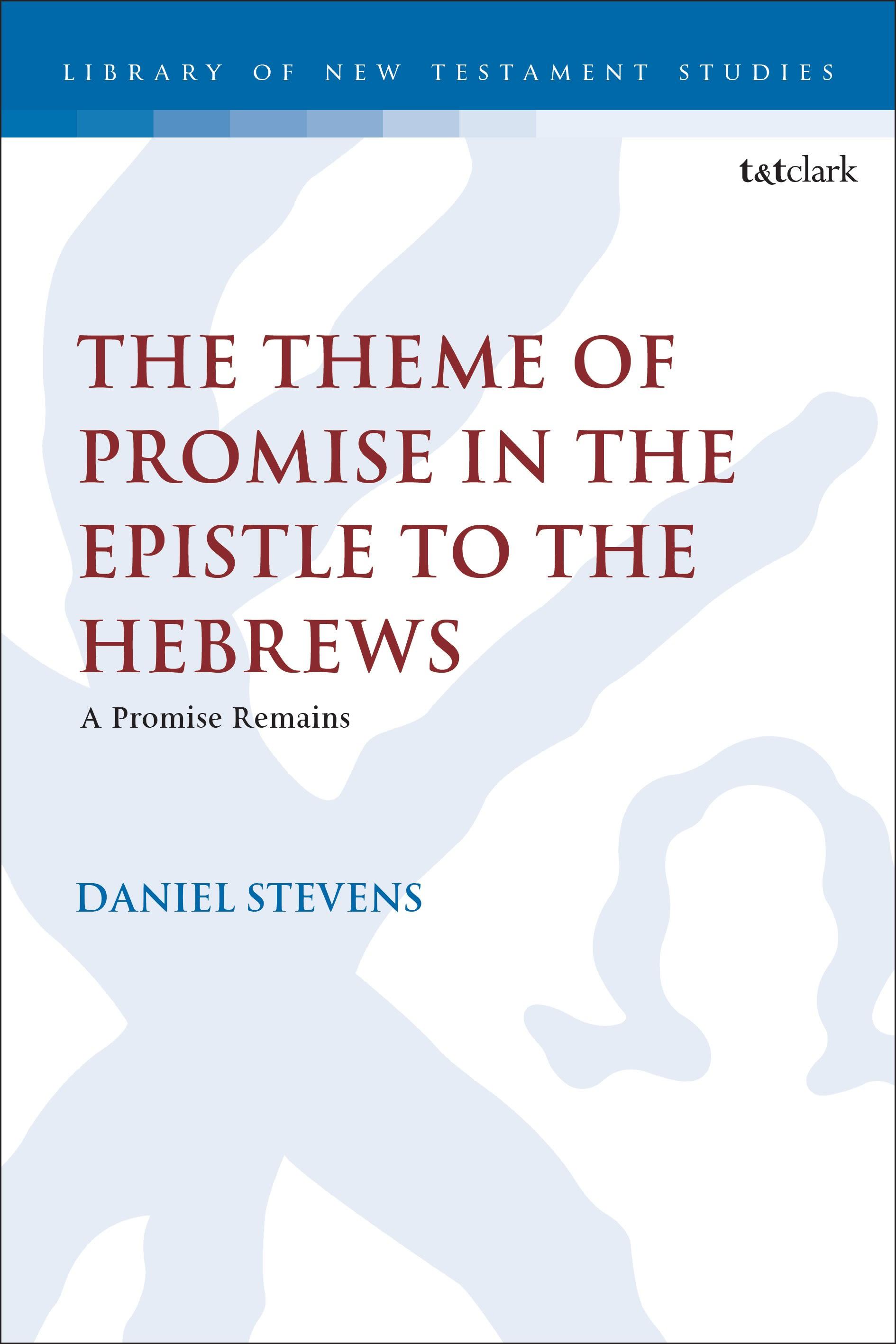
Daniel Stevens analyses the use of the language of divine commitment in the Epistle to the Hebrews, arguing that the author distinguishes promise from the cultic language of covenant to sketch a unique mixture of continuity and discontinuity among the people of God across time.
Stevens stresses through an exegesis of relevant passages that rest is not the primary content of promise, nor is it the primary lens through which the other instances of promise language should be understood; suggesting instead that the promise is most closely associated with the benefits promised to Abraham, and then mediated through the various subsequent covenants. He further explores how the divine promise relates to both the Old and New Covenants, arguing that Hebrews develops a view of salvation history in which covenants are founded upon promises and then bring those promises to fruition. By demonstrating the ways in which this understanding of promise sheds light on the author's hermeneutic and on his method of achieving his hortatory purposes for the epistle, Stevens concludes in a reassertion of the consistency of the author's thought regarding promise.
Stevens stresses through an exegesis of relevant passages that rest is not the primary content of promise, nor is it the primary lens through which the other instances of promise language should be understood; suggesting instead that the promise is most closely associated with the benefits promised to Abraham, and then mediated through the various subsequent covenants. He further explores how the divine promise relates to both the Old and New Covenants, arguing that Hebrews develops a view of salvation history in which covenants are founded upon promises and then bring those promises to fruition. By demonstrating the ways in which this understanding of promise sheds light on the author's hermeneutic and on his method of achieving his hortatory purposes for the epistle, Stevens concludes in a reassertion of the consistency of the author's thought regarding promise.
Pay easily by card, Klarna, Apple Pay or Google Pay. Not happy? You always have a 14-day money-back guarantee. Read more in our terms. If you have any questions, email us at hello@memmo.org.
Memmo makes studying easier – wherever you are in the world. We bring your course books and smart study tools together in one place: summaries, quizzes, podcasts and flashcards. Plus Ted, your study buddy who answers anything you wonder. Over 50,000 students already study here – built to help you learn faster and stress less.