
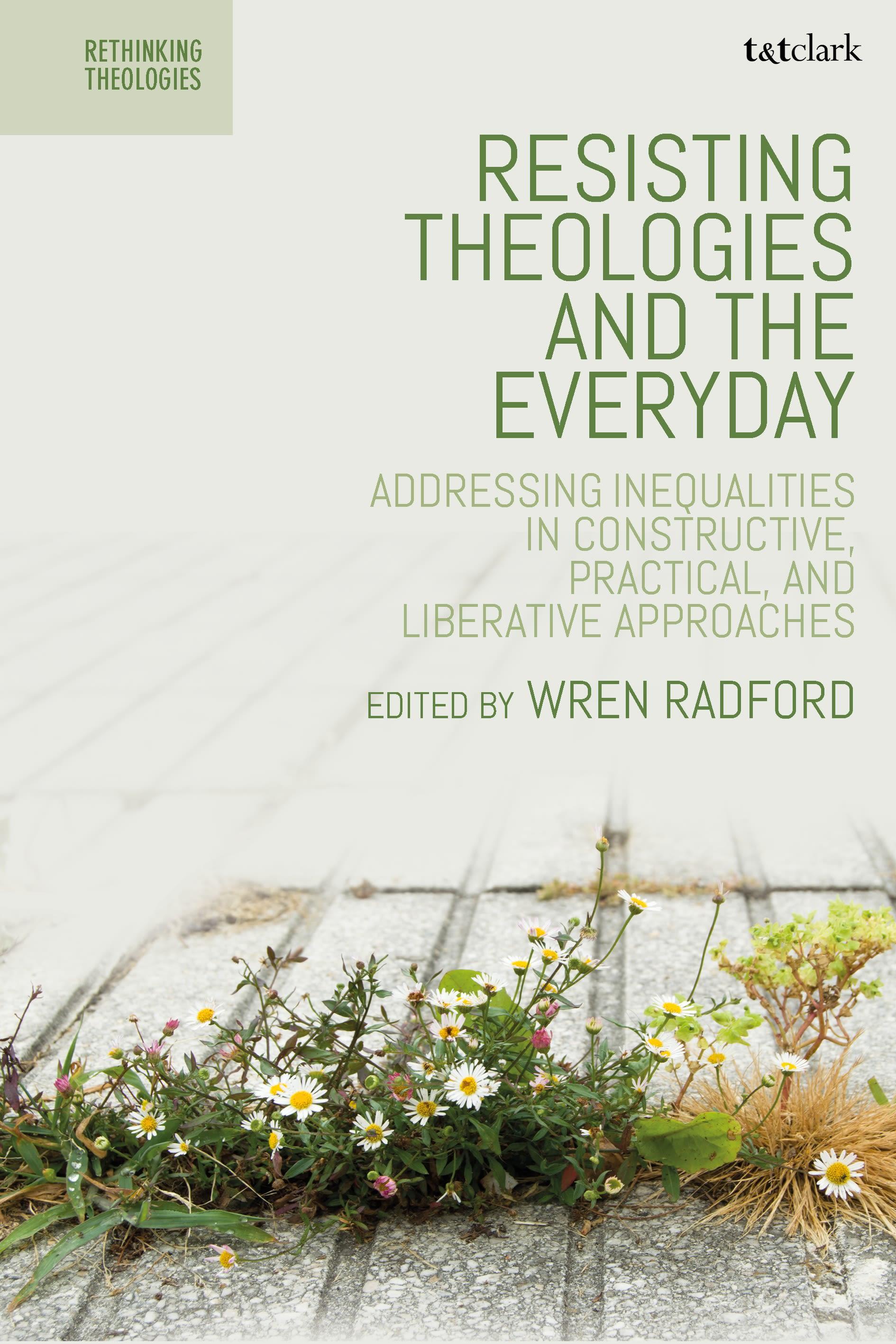
This powerful volume provides dynamic ways of constructing theologies of resistance and liberation by engaging with the everyday practices of marginalised communities. In doing so, this collection of theological experts reject abstracted concepts of bodes and taxonomies of race, gender, sexuality, and disability. Readers will find this a dynamic book with a variety of approaches that provide ways of constructing theologies of resistance and liberation.
Experiences of marginalisation have provided a powerful reference point for developing theologies of justice and liberation; however, theological and political frameworks often reduce the complexity of lived experiences into categories and themes. Daily practices of resisting and surviving are frequently considered too fleshy, domestic, or banal to be of theological meaning. Therefore, Radford and their coterie of academics draw on understandings of 'the everyday' in feminist, womanist, Latinx, and decolonial theologies as well as in cultural theory. This allows critical reflection on how theological approaches can shape alternative relations to self, society, and the sacred.
In recognising the lived and felt realities of struggling against oppressive colonial and racialised systems, contributors engage with academic and activist debates about the possibilities of remaking social relations and creating other ways of knowing and being. From Black theology to disabled activists on social media to queer clergy in South Africa, this volume holds together differences in contributors' approaches, modelling the view that there is not just one form of resistance, nor a single approach to constructing theology.
Experiences of marginalisation have provided a powerful reference point for developing theologies of justice and liberation; however, theological and political frameworks often reduce the complexity of lived experiences into categories and themes. Daily practices of resisting and surviving are frequently considered too fleshy, domestic, or banal to be of theological meaning. Therefore, Radford and their coterie of academics draw on understandings of 'the everyday' in feminist, womanist, Latinx, and decolonial theologies as well as in cultural theory. This allows critical reflection on how theological approaches can shape alternative relations to self, society, and the sacred.
In recognising the lived and felt realities of struggling against oppressive colonial and racialised systems, contributors engage with academic and activist debates about the possibilities of remaking social relations and creating other ways of knowing and being. From Black theology to disabled activists on social media to queer clergy in South Africa, this volume holds together differences in contributors' approaches, modelling the view that there is not just one form of resistance, nor a single approach to constructing theology.
Pay easily by card, Klarna, Apple Pay or Google Pay. Not happy? You always have a 14-day money-back guarantee. Read more in our terms. If you have any questions, email us at hello@memmo.org.
Memmo makes studying easier – wherever you are in the world. We bring your course books and smart study tools together in one place: summaries, quizzes, podcasts and flashcards. Plus Ted, your study buddy who answers anything you wonder. Over 50,000 students already study here – built to help you learn faster and stress less.