
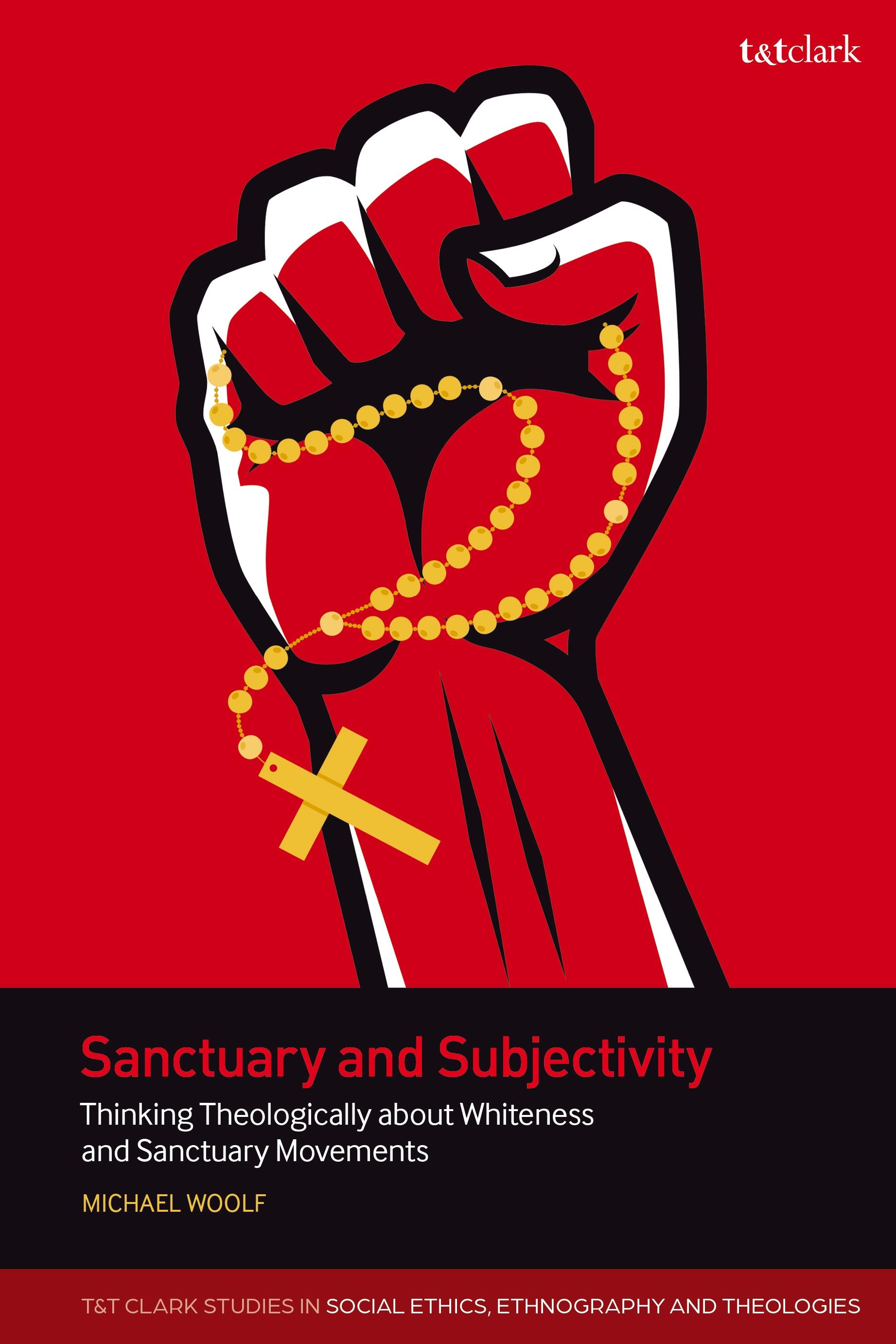
The Sanctuary Movement of the 1980s was a movement led by white religious liberals that housed Central Americans fleeing dictatorships supported by the United States government, giving them a platform to speak about the situation in their countries of origin.
This book focuses on the movement's whiteness by centering the voices of recipients of sanctuary and taking their critiques seriously. The result is an account of the movement that takes seriously the agential limitations of sanctuary and the struggles for agency by recipients.
Using interviews with participants in the movement as well auto-ethnographic research as the white pastor of a church in the New Sanctuary Movement, this book situates the sanctuary as site for theological reflection on some of the most pressing issues facing the Church today – the possibilities of testimony, the Holy Spirit, ecclesiology, and mercy. In doing so, it proposes a new theoretical framework for thinking about practice by introducing readers to Judith Butler's theories of subjectivation and arguing for ethnographically engaged theology that is able to think beyond virtue and excellence towards an understanding of fugitivity.
This book focuses on the movement's whiteness by centering the voices of recipients of sanctuary and taking their critiques seriously. The result is an account of the movement that takes seriously the agential limitations of sanctuary and the struggles for agency by recipients.
Using interviews with participants in the movement as well auto-ethnographic research as the white pastor of a church in the New Sanctuary Movement, this book situates the sanctuary as site for theological reflection on some of the most pressing issues facing the Church today – the possibilities of testimony, the Holy Spirit, ecclesiology, and mercy. In doing so, it proposes a new theoretical framework for thinking about practice by introducing readers to Judith Butler's theories of subjectivation and arguing for ethnographically engaged theology that is able to think beyond virtue and excellence towards an understanding of fugitivity.
Pay easily by card, Klarna, Apple Pay or Google Pay. Not happy? You always have a 14-day money-back guarantee. Read more in our terms. If you have any questions, email us at hello@memmo.org.
Memmo makes studying easier – wherever you are in the world. We bring your course books and smart study tools together in one place: summaries, quizzes, podcasts and flashcards. Plus Ted, your study buddy who answers anything you wonder. Over 50,000 students already study here – built to help you learn faster and stress less.