
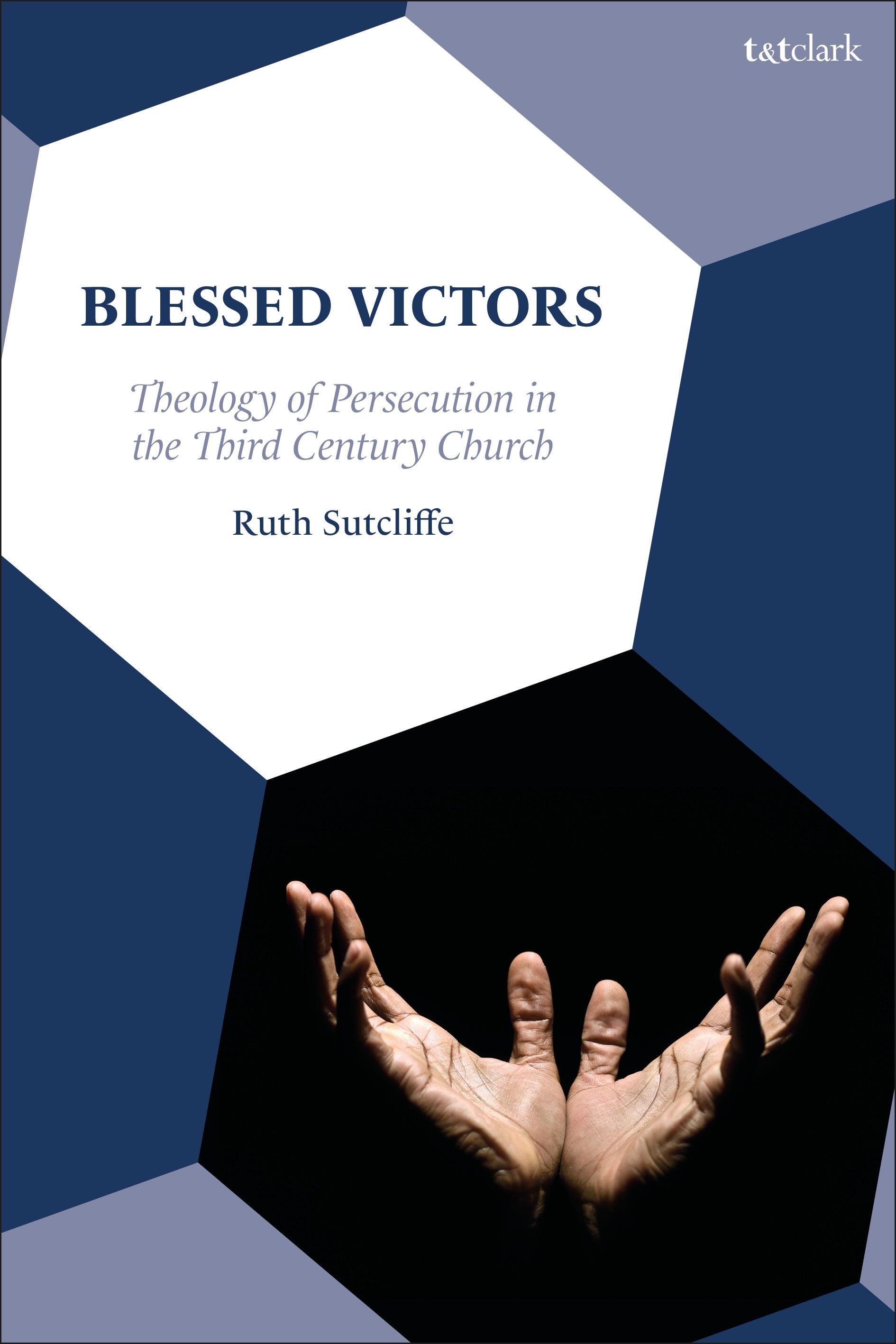
The late second through third centuries saw the remarkable confluence of the early church's developing identity, theological understanding and praxis, with a period of opposition and intermittent persecution from the world around it. Theology necessarily engaged with the persecution experience, as the church considered the goodness and providence of God, the Name to be confessed and the purposeful outcome of the antagonism they faced. Ruth Sutcliffe argues that the early fathers' theological understanding of the role of persecution in the Christian life informed their exhortations to individual and communal response, contributing to the church's remarkable survival and growth through this period.
Four great thinkers of this era - Clement and Origen of Alexandria and Tertullian and Cyprian of Carthage - each have much to contribute to a theological understanding of Christian persecution, and Sutcliffe explores their widely different perspectives, intellectual milieu and experiences. She explains these differences and similarities in terms of their use of the Scriptures, in conversation with their own contexts and agendas; concluding that their differences in approach to persecution can be explained theologically, and that these differences offer a unique window into their respective thought. Despite such differences, Sutcliffe stresses that the early church did have a fundamentally coherent “theology of persecution” which speaks to the worldwide church today.
Four great thinkers of this era - Clement and Origen of Alexandria and Tertullian and Cyprian of Carthage - each have much to contribute to a theological understanding of Christian persecution, and Sutcliffe explores their widely different perspectives, intellectual milieu and experiences. She explains these differences and similarities in terms of their use of the Scriptures, in conversation with their own contexts and agendas; concluding that their differences in approach to persecution can be explained theologically, and that these differences offer a unique window into their respective thought. Despite such differences, Sutcliffe stresses that the early church did have a fundamentally coherent “theology of persecution” which speaks to the worldwide church today.
Pay easily by card, Klarna, Apple Pay or Google Pay. Not happy? You always have a 14-day money-back guarantee. Read more in our terms. If you have any questions, email us at hello@memmo.org.
Memmo makes studying easier – wherever you are in the world. We bring your course books and smart study tools together in one place: summaries, quizzes, podcasts and flashcards. Plus Ted, your study buddy who answers anything you wonder. Over 50,000 students already study here – built to help you learn faster and stress less.