
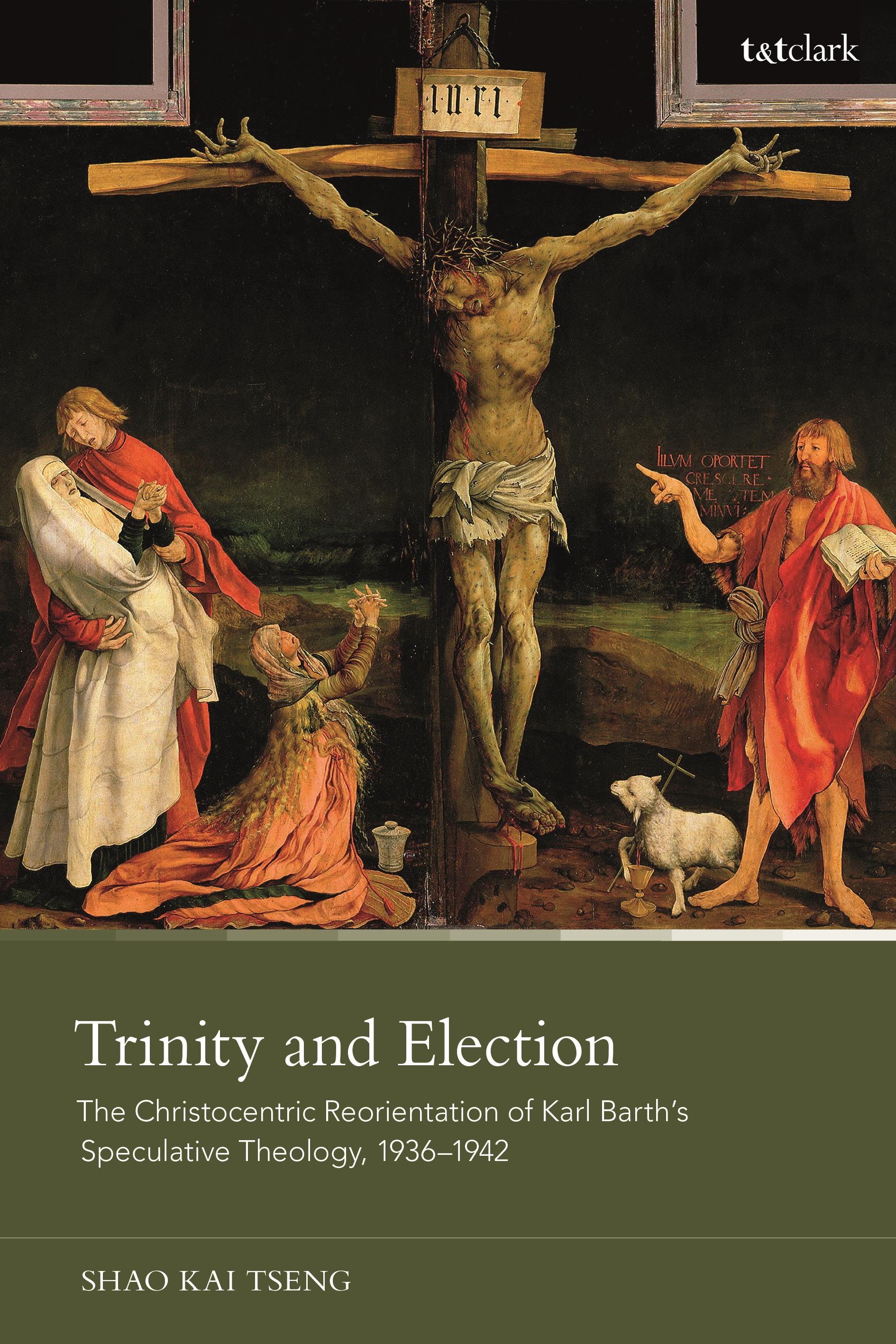
Challenging Bruce McCormack's paradigm of post-Kantian Barth scholarship, this book builds on the interpretative model that Sigurd Baark developed in 2018. This model interprets Barth's innovative adoption of an Anselmian mode of theological speculation, against the intellectual-historical background of the idealist tradition of speculative metaphysics that culminated in Hegel.
This book argues that Barth adopted the Anselmian mode of speculation in which immediate self-identity between subject, object, and act is found in the triune God alone, while the speculative identity that enables human knowledge of God is none other than the identity between God-in-and-for-Godself and God-for-us. Exploring the nationalistic dimension of speculative metaphysics in 19th-century Germany, Tseng identifies this as an important aspect of the context of Barth's development of a Christocentric form of speculative theology.
This book argues that Barth adopted the Anselmian mode of speculation in which immediate self-identity between subject, object, and act is found in the triune God alone, while the speculative identity that enables human knowledge of God is none other than the identity between God-in-and-for-Godself and God-for-us. Exploring the nationalistic dimension of speculative metaphysics in 19th-century Germany, Tseng identifies this as an important aspect of the context of Barth's development of a Christocentric form of speculative theology.
Pay easily by card, Klarna, Apple Pay or Google Pay. Not happy? You always have a 14-day money-back guarantee. Read more in our terms. If you have any questions, email us at hello@memmo.org.
Memmo makes studying easier – wherever you are in the world. We bring your course books and smart study tools together in one place: summaries, quizzes, podcasts and flashcards. Plus Ted, your study buddy who answers anything you wonder. Over 50,000 students already study here – built to help you learn faster and stress less.