
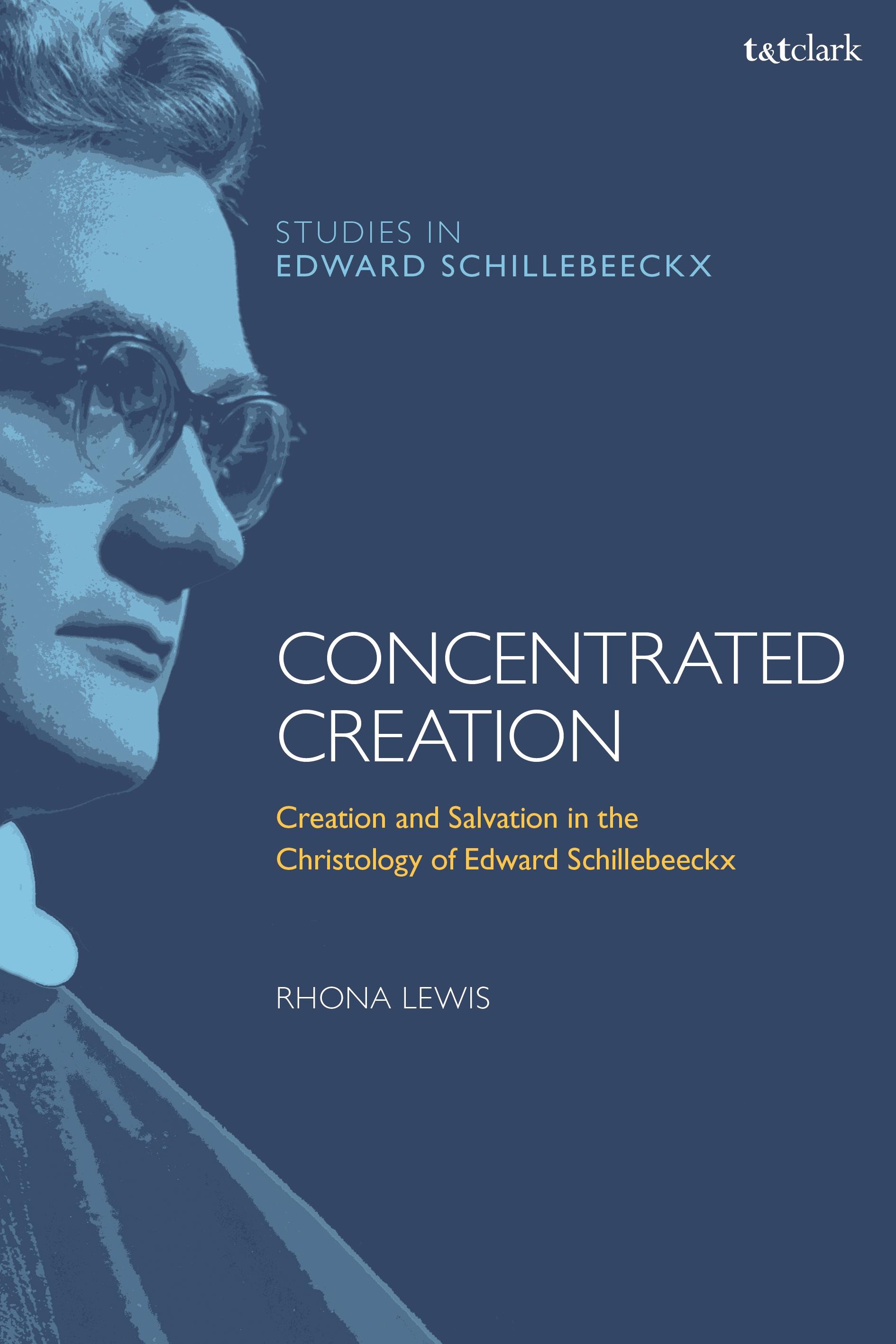
This book widens the understanding of salvation from a narrow focus on the crucifixion of Jesus Christ to one which is inseparable from creation theology. In this analysis of the Thomist and Irenaean sources of Edward Schillebeeckx's creation faith, God's absolute saving presence to humanity is found to be intrinsic to his creative action. This becomes most explicit in God's humanity in the life, death and resurrection of Jesus Christ.
Lewis argues that Jesus is both God's invitation to humanity and is himself the perfect human response to God. Because of this, Jesus' followers are called to be engaged in God's saving action, by working to remove suffering from people and to build a better world in which all may flourish.
Schillebeeckx's theology is sometimes thought to divide into two disconnected halves, a pre- and post-Vatican II version. The way in which Schillebeeckx's Christological soteriology has developed over his theological career, before and after Vatican II, is here examined using the Annales model of continuity and change. This book finds that Schillebeeckx both breaks with the language of Chalcedon while remaining adamantly faithful to the truth which it expresses. The final chapters discover how Schillebeeckx's ideas and methods are crucially relevant in an analysis of contemporary social suffering in Ciudad-Juárez by Nancy Pineda-Madrid, and in the project of the Catholic Dialogue School in Flanders by Lieven Boeve.
Lewis argues that Jesus is both God's invitation to humanity and is himself the perfect human response to God. Because of this, Jesus' followers are called to be engaged in God's saving action, by working to remove suffering from people and to build a better world in which all may flourish.
Schillebeeckx's theology is sometimes thought to divide into two disconnected halves, a pre- and post-Vatican II version. The way in which Schillebeeckx's Christological soteriology has developed over his theological career, before and after Vatican II, is here examined using the Annales model of continuity and change. This book finds that Schillebeeckx both breaks with the language of Chalcedon while remaining adamantly faithful to the truth which it expresses. The final chapters discover how Schillebeeckx's ideas and methods are crucially relevant in an analysis of contemporary social suffering in Ciudad-Juárez by Nancy Pineda-Madrid, and in the project of the Catholic Dialogue School in Flanders by Lieven Boeve.
Pay easily by card, Klarna, Apple Pay or Google Pay. Not happy? You always have a 14-day money-back guarantee. Read more in our terms. If you have any questions, email us at hello@memmo.org.
Memmo makes studying easier – wherever you are in the world. We bring your course books and smart study tools together in one place: summaries, quizzes, podcasts and flashcards. Plus Ted, your study buddy who answers anything you wonder. Over 50,000 students already study here – built to help you learn faster and stress less.