
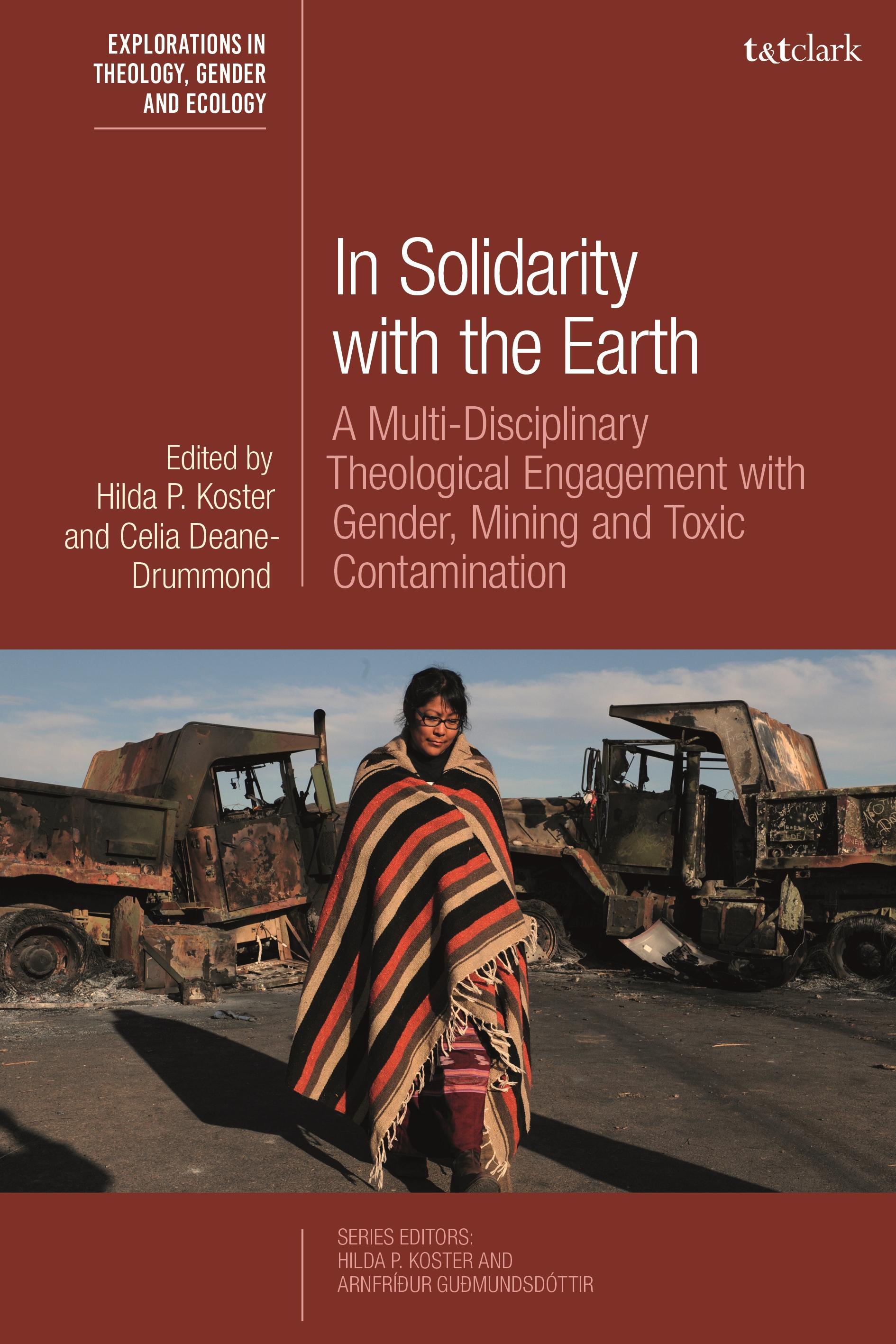
Based on case studies, the book creates a multidisciplinary conversation on the gendered vulnerabilities resulting from extractive industries and toxic pollution, and also charts the resilience and courage of women as they resist polluting industries, fight for clean water and seek to protect the land. While ecumenical in scope, the book takes its departure from the concept of integral ecology introduced in Pope Francis' encyclical Laudato Si'.
The first three sections of the book focus on the social and ecological challenges facing minoritized women and their communities that are related to mining, pollutants and biodiversity loss, and toxicity. The final section of the book focuses on the possibilities and obstacles to global solidarity. All chapters offer a cross disciplinary response to a particular local situation, tracing the ways ecological destruction, resulting from extraction and toxic contamination, affects the lives of women and their communities. The book pays careful attention to the political, economic, and legal structures facilitating these life-threatening challenges. Each section concludes with a response from a 'practitioner' in the field, representing an ecclesial organization or NGO focused on eco-justice advocacy in the global South, or minority communities in the global North.
The first three sections of the book focus on the social and ecological challenges facing minoritized women and their communities that are related to mining, pollutants and biodiversity loss, and toxicity. The final section of the book focuses on the possibilities and obstacles to global solidarity. All chapters offer a cross disciplinary response to a particular local situation, tracing the ways ecological destruction, resulting from extraction and toxic contamination, affects the lives of women and their communities. The book pays careful attention to the political, economic, and legal structures facilitating these life-threatening challenges. Each section concludes with a response from a 'practitioner' in the field, representing an ecclesial organization or NGO focused on eco-justice advocacy in the global South, or minority communities in the global North.
Pay easily by card, Klarna, Apple Pay or Google Pay. Not happy? You always have a 14-day money-back guarantee. Read more in our terms. If you have any questions, email us at hello@memmo.org.
Memmo makes studying easier – wherever you are in the world. We bring your course books and smart study tools together in one place: summaries, quizzes, podcasts and flashcards. Plus Ted, your study buddy who answers anything you wonder. Over 50,000 students already study here – built to help you learn faster and stress less.