
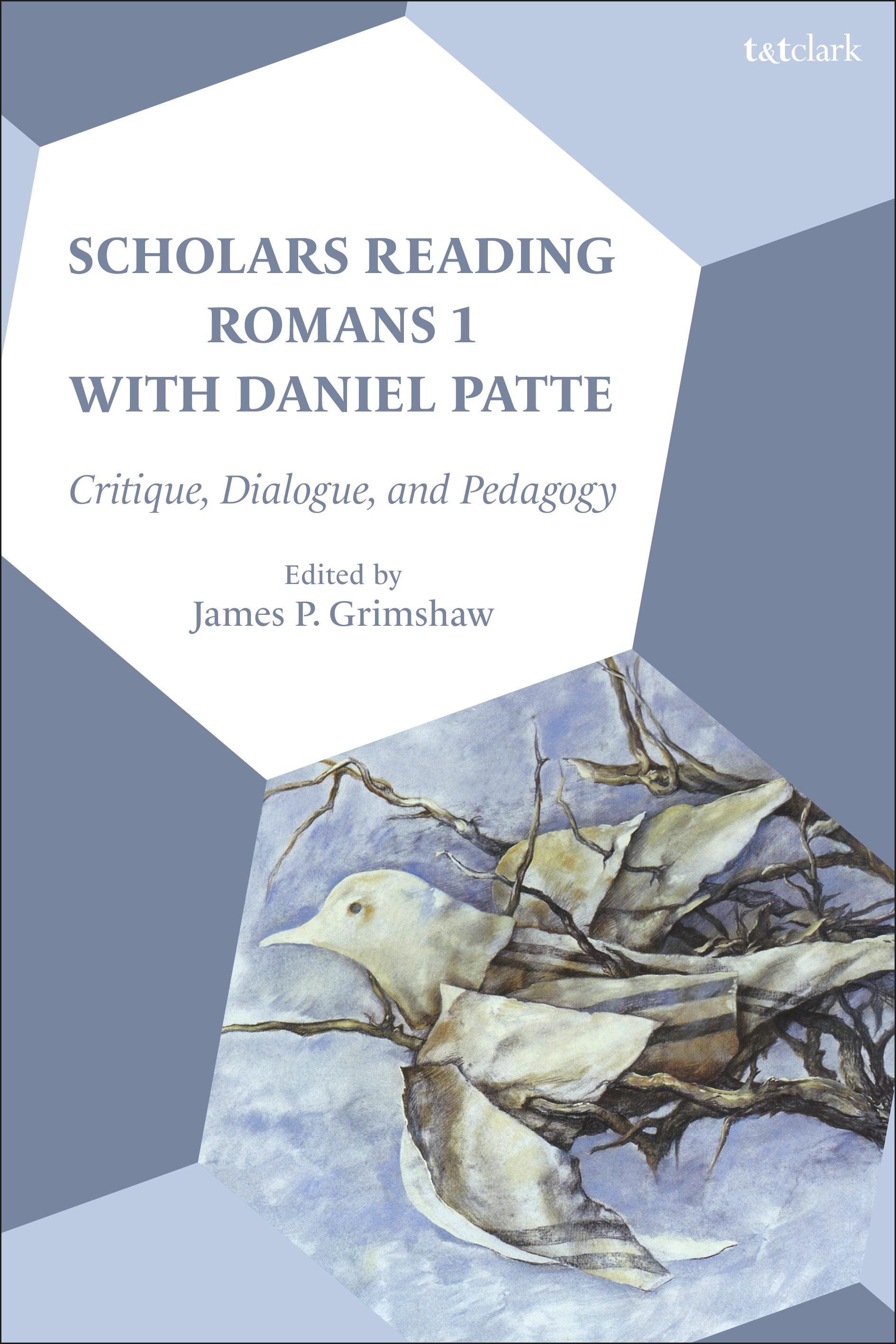
A creative collection of essays that introduces, critiques, and dialogues with Daniel Patte's ground-breaking work Romans: Three Exegetical Interpretations and the History of Reception: Volume 1: Romans 1:1-32 (T&T Clark, 2018). Nine scholars from different cultural and methodological perspectives engage with Patte's work, critique his methodology and ethic of interpretation, and develop alternative readings.
The first part introduces the format of Patte's book and the three historical interpretations: forensic, covenantal, and realized-apocalyptic. Part two debates methodology and ethical responsibility. The third part focuses on Romans 1:16-18 and 1:26-27 and includes a Confucian Chinese reading and a call for joint biblical and social-science research on the role of Romans in current public policy debates. The final part includes a chapter on pedagogy regarding how Patte's book can be used in the classroom. The final chapter is a powerful description by Patte himself of the various life experiences that shaped his reading of Romans. This book is a critical and communal conversation with Patte on the history of reception of Romans 1 and an example of the necessity of conversations among diverse interpreters that, as Patte says, “reflect the diversity of the modes of our human experience”.
The first part introduces the format of Patte's book and the three historical interpretations: forensic, covenantal, and realized-apocalyptic. Part two debates methodology and ethical responsibility. The third part focuses on Romans 1:16-18 and 1:26-27 and includes a Confucian Chinese reading and a call for joint biblical and social-science research on the role of Romans in current public policy debates. The final part includes a chapter on pedagogy regarding how Patte's book can be used in the classroom. The final chapter is a powerful description by Patte himself of the various life experiences that shaped his reading of Romans. This book is a critical and communal conversation with Patte on the history of reception of Romans 1 and an example of the necessity of conversations among diverse interpreters that, as Patte says, “reflect the diversity of the modes of our human experience”.
Pay easily by card, Klarna, Apple Pay or Google Pay. Not happy? You always have a 14-day money-back guarantee. Read more in our terms. If you have any questions, email us at hello@memmo.org.
Memmo makes studying easier – wherever you are in the world. We bring your course books and smart study tools together in one place: summaries, quizzes, podcasts and flashcards. Plus Ted, your study buddy who answers anything you wonder. Over 50,000 students already study here – built to help you learn faster and stress less.