
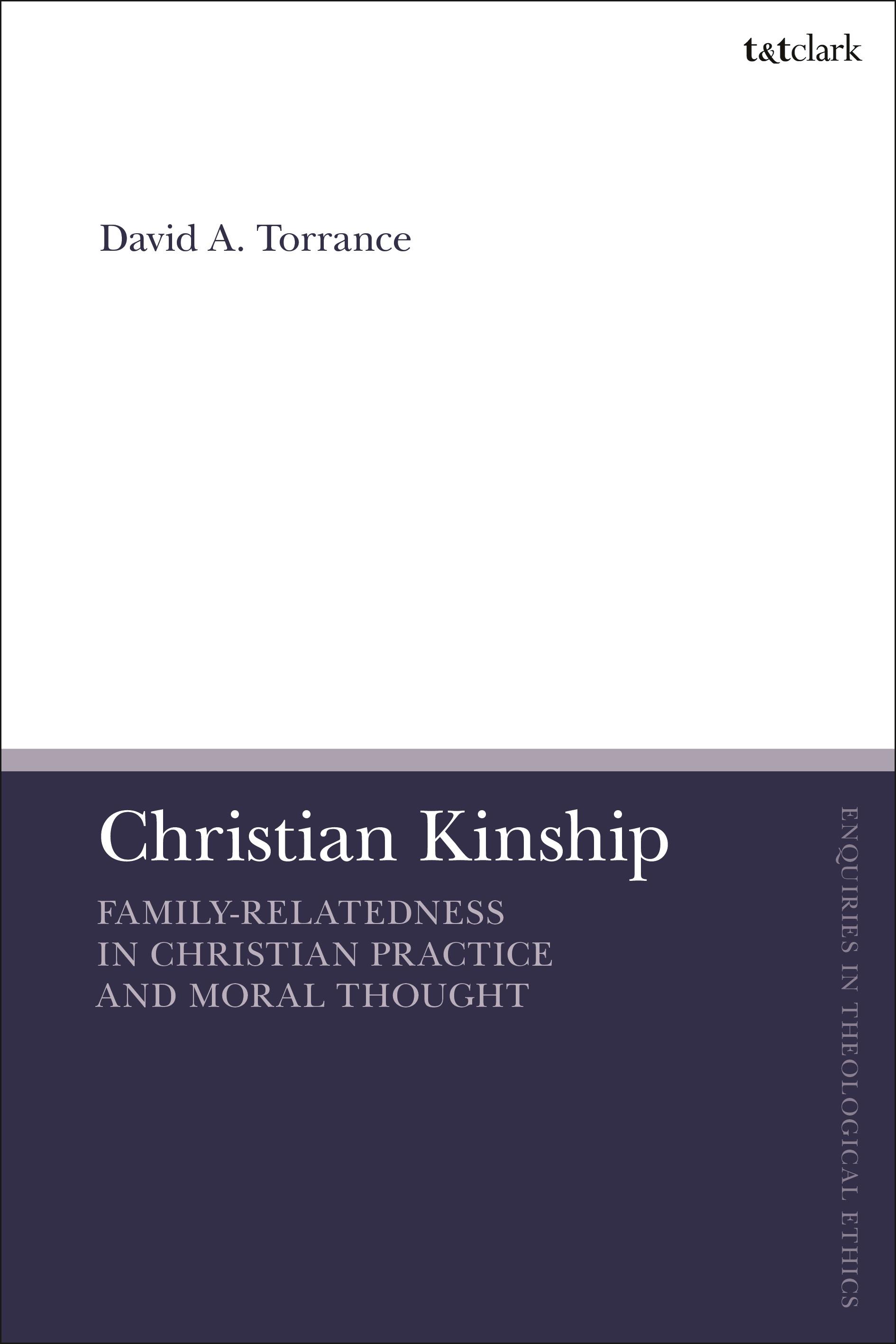
Ideas of kinship play a significant role in structuring everyday life, and yet kinship has been neglected in Christian ethics, moral philosophy and bioethics. Attention has been paid in these disciplines to the ethics of 'family,' but with little regard to the evidence that kinship varies widely from culture-to-culture, suggesting that it is, in fact, culturally constructed.
Surveying notions of shared substance (e.g. blood ties), house, gender and personhood, as theorised and practiced in the Christian tradition, Torrance critiques the special privileging of the 'blood tie'. In the place of European and American cultural assumptions to the contrary, it is kinship in Christ that is presented as the basis of a truly Christian account for social ties. Torrance also aims to stimulate the moral imagination to consider Christian kinship might be lived out in miniature, in everyday life.
Surveying notions of shared substance (e.g. blood ties), house, gender and personhood, as theorised and practiced in the Christian tradition, Torrance critiques the special privileging of the 'blood tie'. In the place of European and American cultural assumptions to the contrary, it is kinship in Christ that is presented as the basis of a truly Christian account for social ties. Torrance also aims to stimulate the moral imagination to consider Christian kinship might be lived out in miniature, in everyday life.
Pay easily by card, Klarna, Apple Pay or Google Pay. Not happy? You always have a 14-day money-back guarantee. Read more in our terms. If you have any questions, email us at hello@memmo.org.
Memmo makes studying easier – wherever you are in the world. We bring your course books and smart study tools together in one place: summaries, quizzes, podcasts and flashcards. Plus Ted, your study buddy who answers anything you wonder. Over 50,000 students already study here – built to help you learn faster and stress less.