
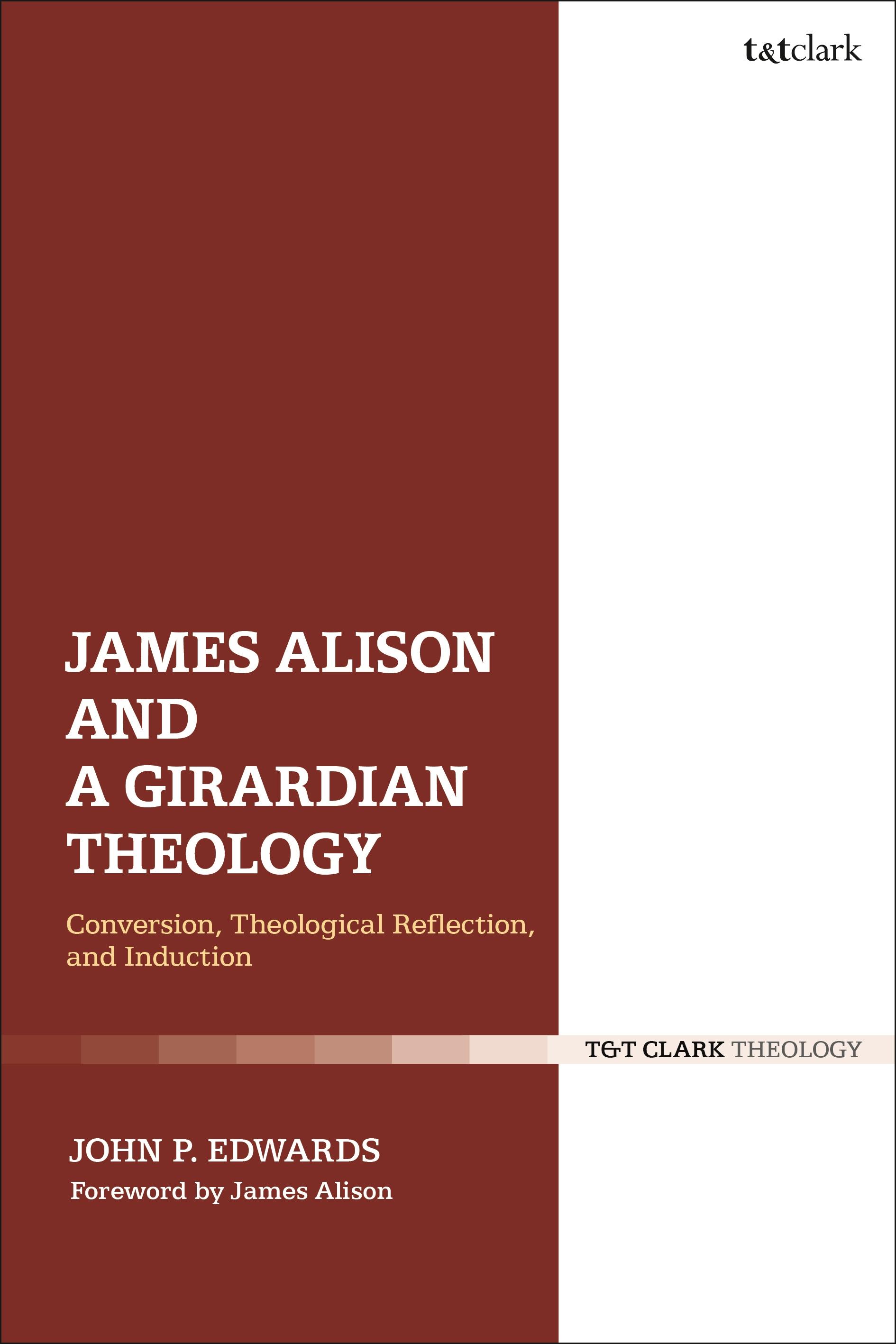
Opening with a Foreword by James Alison, this volume is the first in-depth treatment of Alison's theological method. John P. Edwards shows that Alison's theological project outstrips René Girard's application of mimetic theory to theology. He concludes that an explicitly Christian theological perspective is necessary for providing a fully coherent account of Girard's notions of "conversion" and "mimetic desire".
This volume grounds Alison's theological method in his understanding of the ongoing interaction between conversion and theological reflection, which is informed by his use of mimetic theory. While Alison describes this method as “theology in the order of the discovery”, the author refers to it as an “inductive theology”. The volume closes by demonstrating that such a theology bears fruit in a renewed understanding of the value of Christian doctrines and, particularly, the doctrine of revelation.
This volume grounds Alison's theological method in his understanding of the ongoing interaction between conversion and theological reflection, which is informed by his use of mimetic theory. While Alison describes this method as “theology in the order of the discovery”, the author refers to it as an “inductive theology”. The volume closes by demonstrating that such a theology bears fruit in a renewed understanding of the value of Christian doctrines and, particularly, the doctrine of revelation.
Pay easily by card, Klarna, Apple Pay or Google Pay. Not happy? You always have a 14-day money-back guarantee. Read more in our terms. If you have any questions, email us at hello@memmo.org.
Memmo makes studying easier – wherever you are in the world. We bring your course books and smart study tools together in one place: summaries, quizzes, podcasts and flashcards. Plus Ted, your study buddy who answers anything you wonder. Over 50,000 students already study here – built to help you learn faster and stress less.