
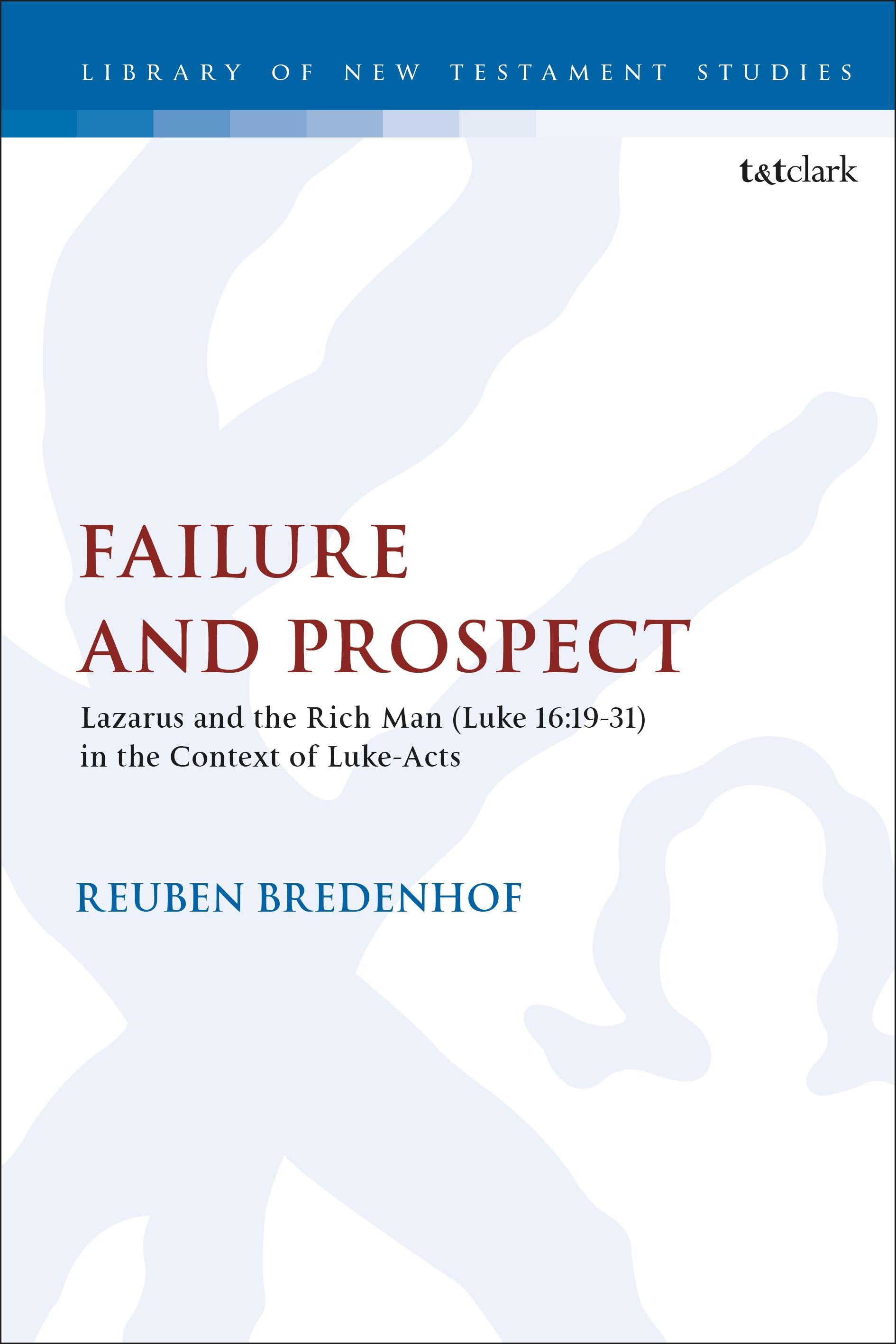
Bredenhof analyses the parable of Lazarus and the Rich Man (Luke 16:19-31) by examining its functions as a narrative, considering its persuasiveness as a rhetorical unit, and situating it within a Graeco-Roman and Jewish intertextual conversation on the themes of wealth and poverty, and authoritative revelation. The parable portrays the consequences of the rich man's failure to respond to the suffering of Lazarus. Bredenhof argues that the parable offers its audience a prospect for alternative outcomes, in response both to poverty and to a person who has risen from the dead.
This prospect is particularly evident when the parable is read in anticipation of the ethical and theological concerns of Luke's second volume in Acts. Bredenhof asserts that reading within the context of Luke-Acts contributes to the understanding of Luke's purposes with this narrative. It is in Acts that his audience witnesses the parable's message about mercy being applied through charitable initiatives in the community of believers, while the Acts accounts of preaching and teaching demonstrate that a true reading of “Moses and the prophets” is inseparably joined to the believing acceptance of one risen from the dead. Through a re-reading of Luke 16:19-31 in its Luke-Acts context, its message is amplified and commended to the parable's audience for their response.
This prospect is particularly evident when the parable is read in anticipation of the ethical and theological concerns of Luke's second volume in Acts. Bredenhof asserts that reading within the context of Luke-Acts contributes to the understanding of Luke's purposes with this narrative. It is in Acts that his audience witnesses the parable's message about mercy being applied through charitable initiatives in the community of believers, while the Acts accounts of preaching and teaching demonstrate that a true reading of “Moses and the prophets” is inseparably joined to the believing acceptance of one risen from the dead. Through a re-reading of Luke 16:19-31 in its Luke-Acts context, its message is amplified and commended to the parable's audience for their response.
Pages: 264
Category: Religion & Teologi
e-ISBN: 9780567681782
Shipping weight: 1.2 kg
Ships in: 1-2 days
Pay easily by card, Klarna, Apple Pay or Google Pay. Not happy? You always have a 14-day money-back guarantee. Read more in our terms. If you have any questions, email us at hello@memmo.org.
Memmo makes studying easier – wherever you are in the world. We bring your course books and smart study tools together in one place: summaries, quizzes, podcasts and flashcards. Plus Ted, your study buddy who answers anything you wonder. Over 50,000 students already study here – built to help you learn faster and stress less.