
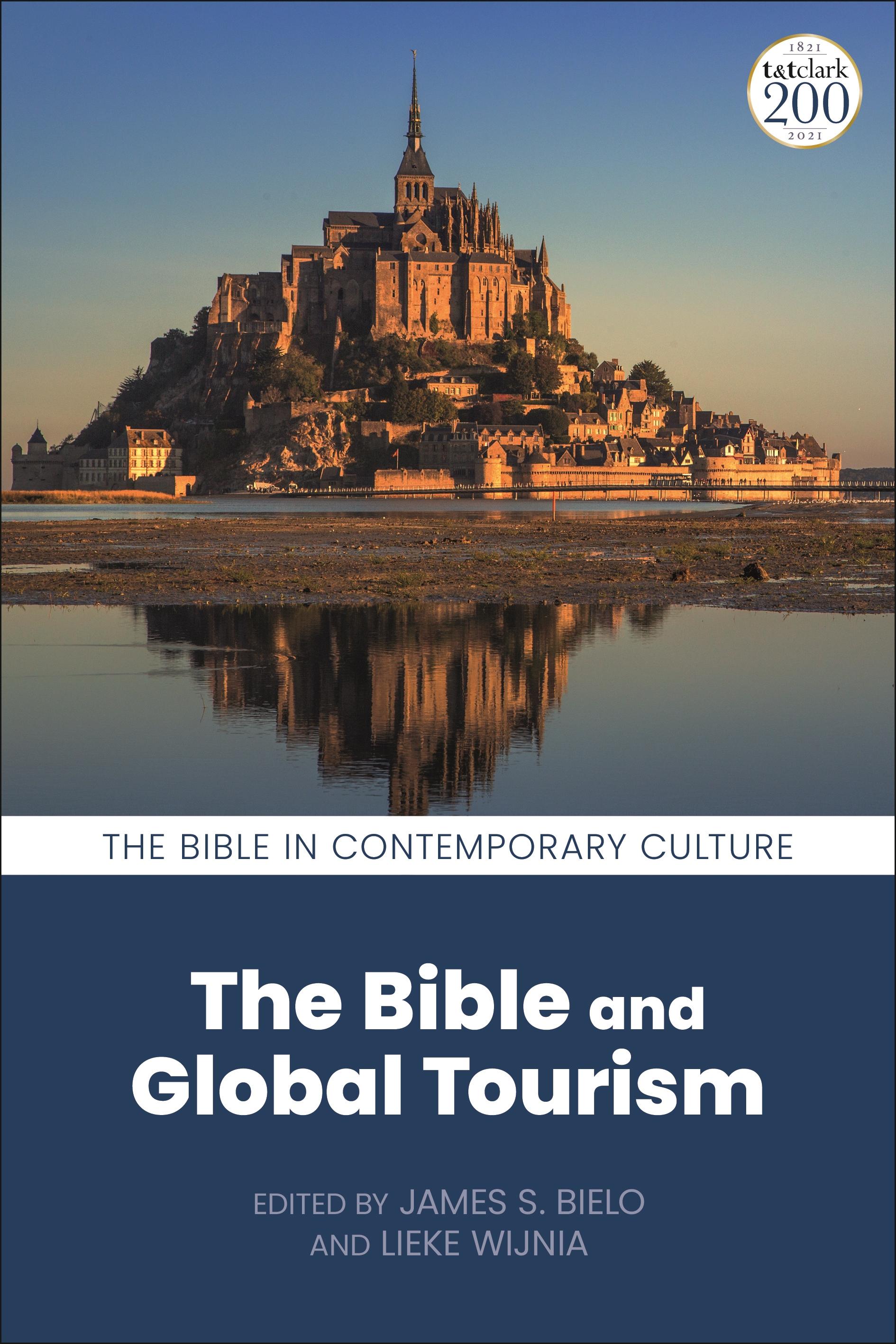
This volume examines the ways in which biblical tourism is enmeshed within the production and management of heritage, global contexts of marketing and publicity, accessibility of sacred sites and routes for multiple audiences, and the forging of connections between travel and social identity. By exploring issues such as devotional piety, religious pedagogy, and entertainment, an interdisciplinary collection of scholars traces how biblical tourism experiences are choreographed and consumed, and how these practices shape embodied and narrative performances of scripture.
Contributors focus on four major questions: How have people used tourism to develop new, or renewed, relationships with the Bible? Historically, what role has the Bible played in the development of modern tourism? In the context of the tourist encounter, how have people mobilized the Bible as a social and expressive resource? And what forms of social exchange shape acts of biblical tourism, such as among pilgrims, or between people and landscapes? These questions are centered not only around authorized shrines and “Holy Places,” but also festivals, museums, theme parks, and heritage sites. This book aims to create a comparative and interdisciplinary dialogue around the dynamic relationship between biblical heritage claims and the practices and infrastructures of modern tourism.
Contributors focus on four major questions: How have people used tourism to develop new, or renewed, relationships with the Bible? Historically, what role has the Bible played in the development of modern tourism? In the context of the tourist encounter, how have people mobilized the Bible as a social and expressive resource? And what forms of social exchange shape acts of biblical tourism, such as among pilgrims, or between people and landscapes? These questions are centered not only around authorized shrines and “Holy Places,” but also festivals, museums, theme parks, and heritage sites. This book aims to create a comparative and interdisciplinary dialogue around the dynamic relationship between biblical heritage claims and the practices and infrastructures of modern tourism.
Pay easily by card, Klarna, Apple Pay or Google Pay. Not happy? You always have a 14-day money-back guarantee. Read more in our terms. If you have any questions, email us at hello@memmo.org.
Memmo makes studying easier – wherever you are in the world. We bring your course books and smart study tools together in one place: summaries, quizzes, podcasts and flashcards. Plus Ted, your study buddy who answers anything you wonder. Over 50,000 students already study here – built to help you learn faster and stress less.