
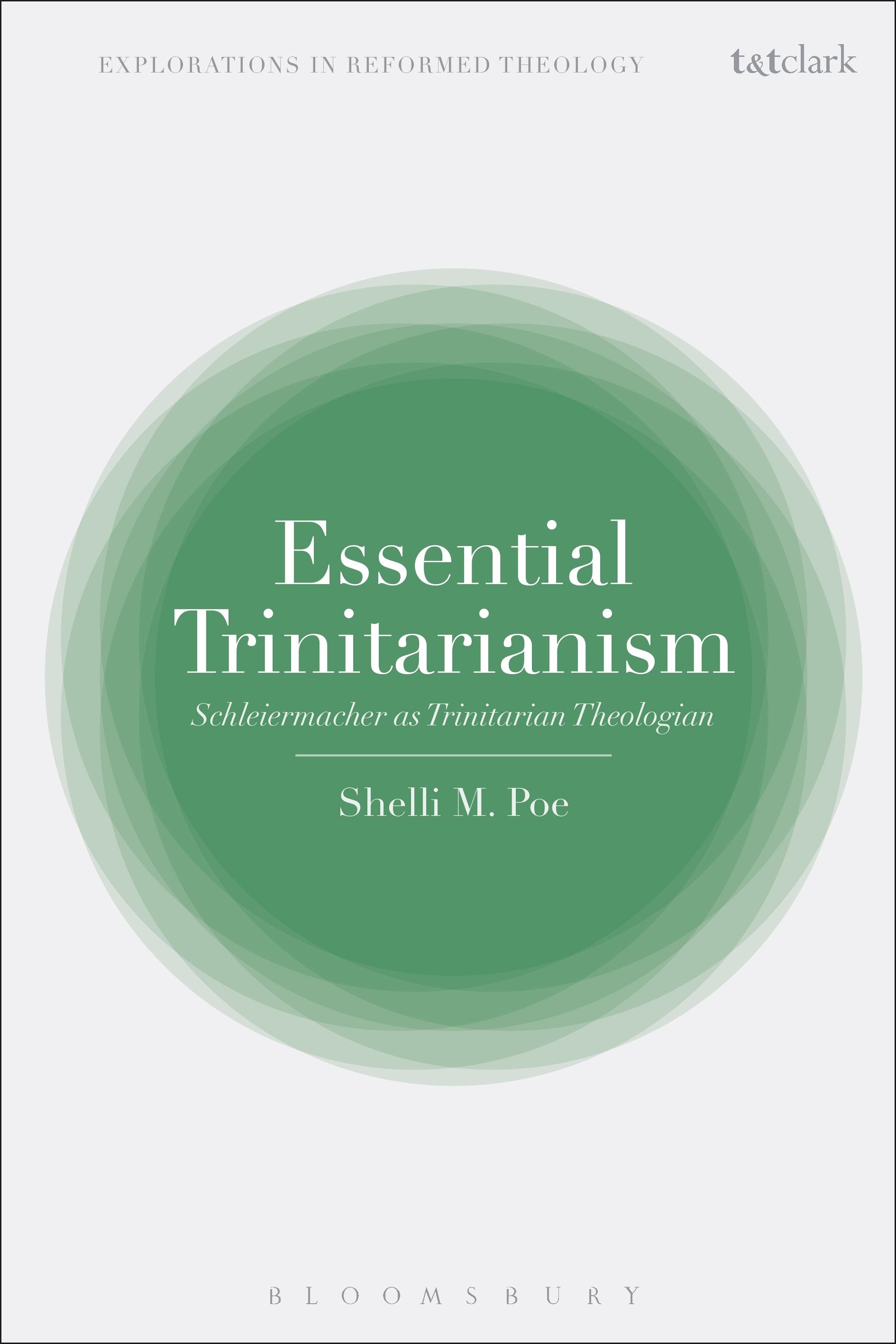
Many scholars believe that Friedrich Schleiermacher relegates the doctrine of the Trinity to an appendix at the end of his magnum opus, The Christian Faith (1830/31); his alleged disregard for the Trinity is the supposed death knell for serious consideration of his work within the history of Christian thought.
This volume argues that Schleiermacher not only calls for the doctrine's revitalization, but also makes it the centrepiece of Protestant Christianity. Following Schleiermacher's own thought experiment, Poe presents his doctrine of God in reverse order of its original presentation. Her examination centres on the Trinity, treating it as the keystone of the entire work, while analysing the divine attributes: love and wisdom, justice and holiness, eternity, omniscience, omnipotence, and omnipresence. When viewed from the standpoint of the conclusion, the Trinitarian shape of Schleiermacher's theology comes to the fore. What emerges is a middle way between merely economic Trinitarianism and a full-fledged development of immanent Trinitarianism, examining divine personhood and the union of the divine with humanity.
The central thesis of this work runs boldly counter to the prevailing academic account of Schleiermacher's doctrine of the Trinity, and offers an innovative and constructive reading. Readers will be privy to a fresh look at Schleiermacher's doctrine of God and its importance for contemporary theology.
This volume argues that Schleiermacher not only calls for the doctrine's revitalization, but also makes it the centrepiece of Protestant Christianity. Following Schleiermacher's own thought experiment, Poe presents his doctrine of God in reverse order of its original presentation. Her examination centres on the Trinity, treating it as the keystone of the entire work, while analysing the divine attributes: love and wisdom, justice and holiness, eternity, omniscience, omnipotence, and omnipresence. When viewed from the standpoint of the conclusion, the Trinitarian shape of Schleiermacher's theology comes to the fore. What emerges is a middle way between merely economic Trinitarianism and a full-fledged development of immanent Trinitarianism, examining divine personhood and the union of the divine with humanity.
The central thesis of this work runs boldly counter to the prevailing academic account of Schleiermacher's doctrine of the Trinity, and offers an innovative and constructive reading. Readers will be privy to a fresh look at Schleiermacher's doctrine of God and its importance for contemporary theology.
Pages: 192
Category: Religion & Teologi
e-ISBN: 9780567677105
Shipping weight: 1.2 kg
Ships in: 1-2 days
Pay easily by card, Klarna, Apple Pay or Google Pay. Not happy? You always have a 14-day money-back guarantee. Read more in our terms. If you have any questions, email us at hello@memmo.org.
Memmo makes studying easier – wherever you are in the world. We bring your course books and smart study tools together in one place: summaries, quizzes, podcasts and flashcards. Plus Ted, your study buddy who answers anything you wonder. Over 50,000 students already study here – built to help you learn faster and stress less.