
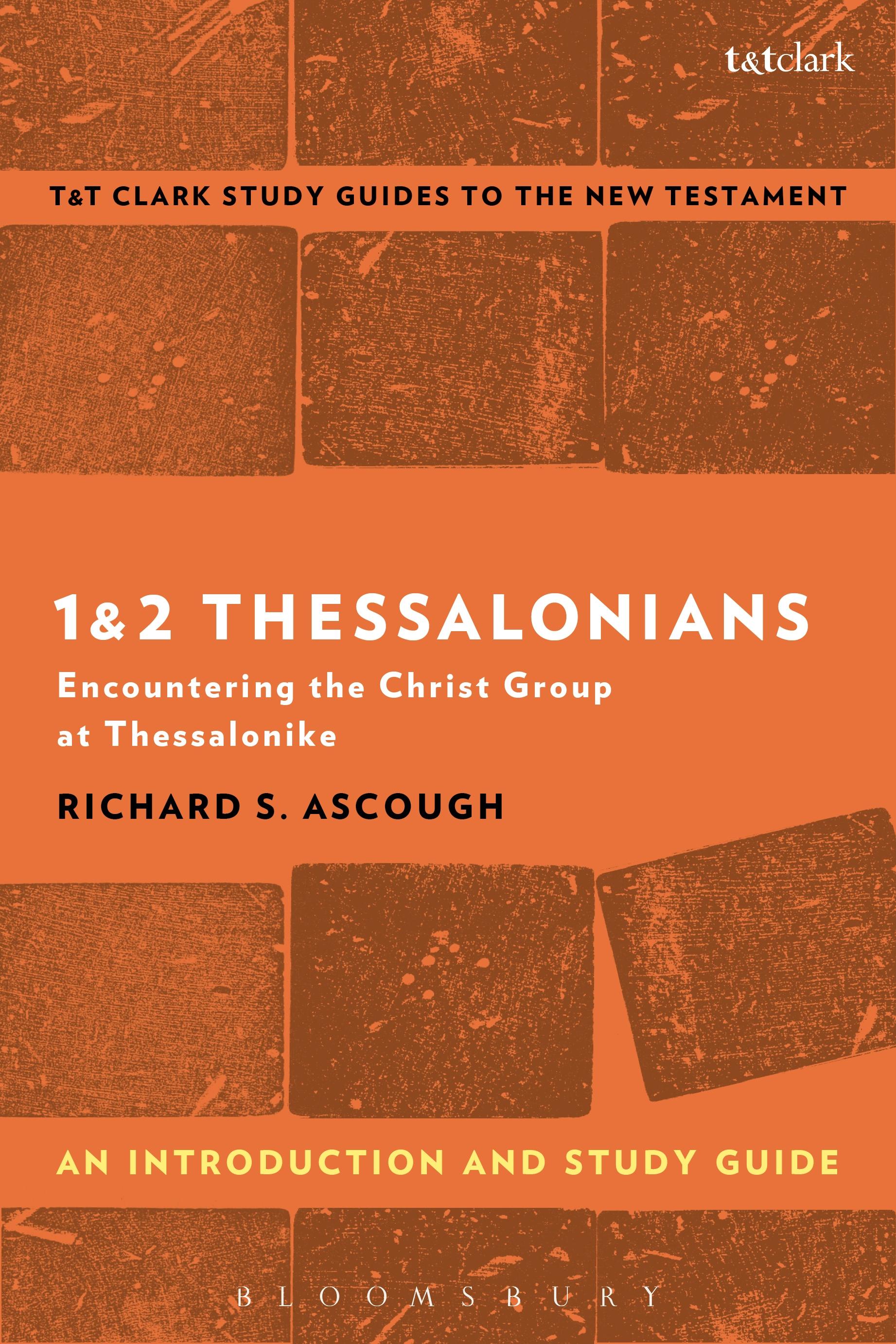
1 Thessalonians provides a fascinating glimpse into the origins and social life of the Christ group in the ancient Roman city of Thessalonike, while 2 Thessalonians reveals how the community developed at a somewhat later time. This guide narrates the story of the founding of the group by considering the social and cultural contexts, the literary form, the rhetorical strategies, the theologies, and the reception of the two canonical letters.
While centering on the texts of 1 and 2 Thessalonians themselves, Ascough draws widely on literary and archaeological data, giving particular attention to typical group behaviours among small, unofficial associations in the Greek and Roman period. The first four chapters focus on 1 Thessalonians, from the initial formation of the Christ group out of a small association of artisans through to how members negotiated various sorts of relationships: with Paul and his companions, with outsiders in Thessalonike and beyond, and especially with fellow believers within the group itself. The final two chapters turn attention to the shifting circumstances that required a second letter to be written, with its focus on disorder and disruption of social practices and theological beliefs. The epilogue briefly surveys Christianity at Thessalonike beyond the 1st century.
This guide presents an overview of the historical development of the Christ group at Thessalonike. Moving beyond treating the canonical letters as simple repositories of theological opinions, Ascough demonstrates how 1 and 2 Thessalonians reveal ordinary life in ancient Roman cities. In so doing, he invites readers to enter the world of one of the many fascinating communities of Christ believers in the 1st century of the Common Era.
While centering on the texts of 1 and 2 Thessalonians themselves, Ascough draws widely on literary and archaeological data, giving particular attention to typical group behaviours among small, unofficial associations in the Greek and Roman period. The first four chapters focus on 1 Thessalonians, from the initial formation of the Christ group out of a small association of artisans through to how members negotiated various sorts of relationships: with Paul and his companions, with outsiders in Thessalonike and beyond, and especially with fellow believers within the group itself. The final two chapters turn attention to the shifting circumstances that required a second letter to be written, with its focus on disorder and disruption of social practices and theological beliefs. The epilogue briefly surveys Christianity at Thessalonike beyond the 1st century.
This guide presents an overview of the historical development of the Christ group at Thessalonike. Moving beyond treating the canonical letters as simple repositories of theological opinions, Ascough demonstrates how 1 and 2 Thessalonians reveal ordinary life in ancient Roman cities. In so doing, he invites readers to enter the world of one of the many fascinating communities of Christ believers in the 1st century of the Common Era.
Pages: 112
Category: Religion & Teologi
e-ISBN: 9780567671301
Shipping weight: 1.2 kg
Ships in: 1-2 days
Pay easily by card, Klarna, Apple Pay or Google Pay. Not happy? You always have a 14-day money-back guarantee. Read more in our terms. If you have any questions, email us at hello@memmo.org.
Memmo makes studying easier – wherever you are in the world. We bring your course books and smart study tools together in one place: summaries, quizzes, podcasts and flashcards. Plus Ted, your study buddy who answers anything you wonder. Over 50,000 students already study here – built to help you learn faster and stress less.