
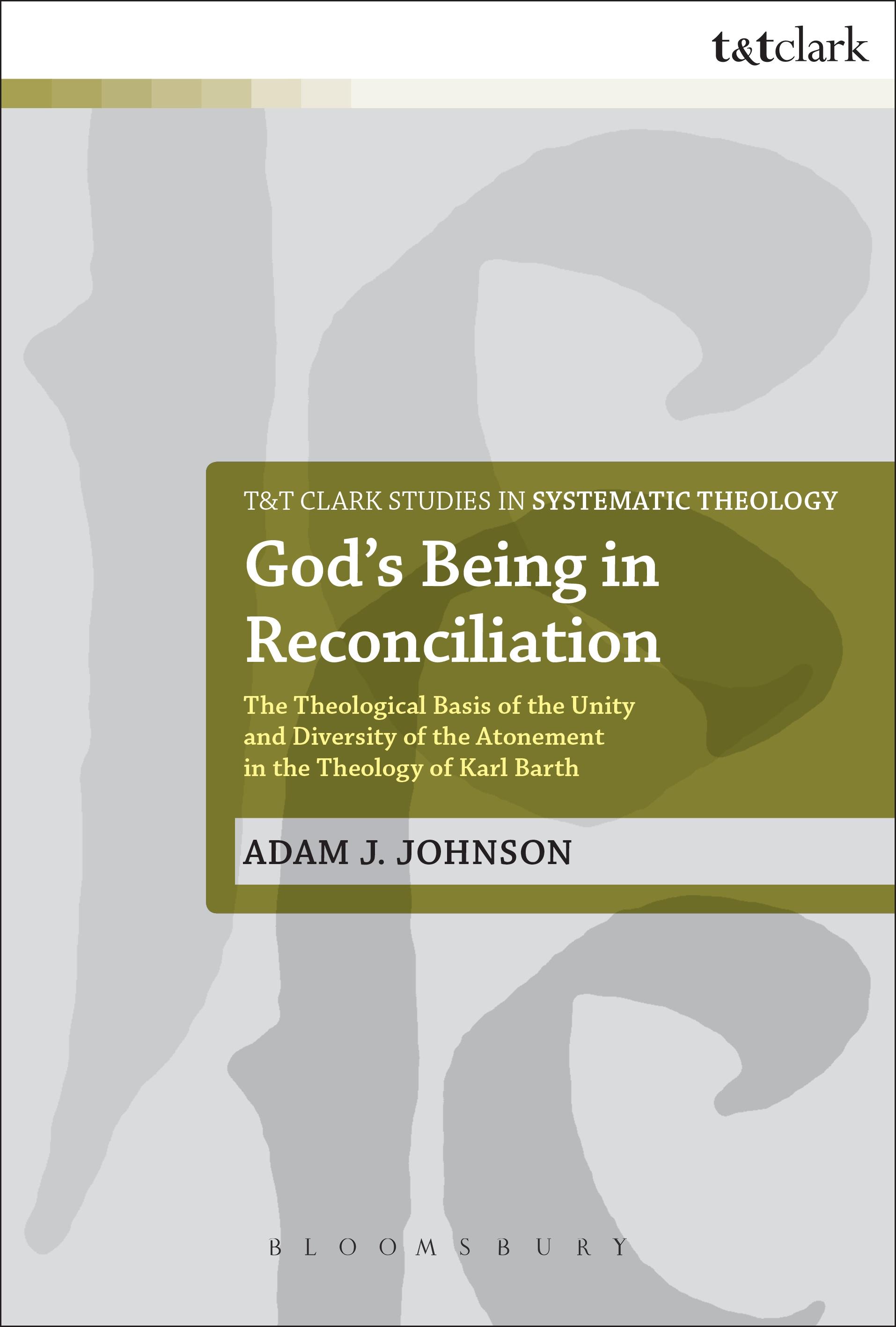
One of the most pressing issues in the doctrine of the atonement today is the question of the unity and diversity of the work of Christ. What are we to make of the diversity within the biblical witness and the history of doctrine when it comes to explanations of the meaning and significance of Jesus' death and resurrection? Without a grasp of the unity of his work, our understanding and use of the diversity runs the risk of becoming haphazard and disordered. Proposals regarding the unity of Christ's work today tend to focus on the metaphorical nature of language, the role of culture, and various possible conceptual schemes, rarely reflecting on unity and diversity proper to the being God.
To fill this gap, Johnson draws on Karl Barth's integrated account of the doctrines of God and reconciliation, harnessing the resources contained within the doctrines of the Trinity and divine perfections to energize a properly theological account of the unity and diversity of the atonement.
To fill this gap, Johnson draws on Karl Barth's integrated account of the doctrines of God and reconciliation, harnessing the resources contained within the doctrines of the Trinity and divine perfections to energize a properly theological account of the unity and diversity of the atonement.
Pay easily by card, Klarna, Apple Pay or Google Pay. Not happy? You always have a 14-day money-back guarantee. Read more in our terms. If you have any questions, email us at hello@memmo.org.
Memmo makes studying easier – wherever you are in the world. We bring your course books and smart study tools together in one place: summaries, quizzes, podcasts and flashcards. Plus Ted, your study buddy who answers anything you wonder. Over 50,000 students already study here – built to help you learn faster and stress less.