
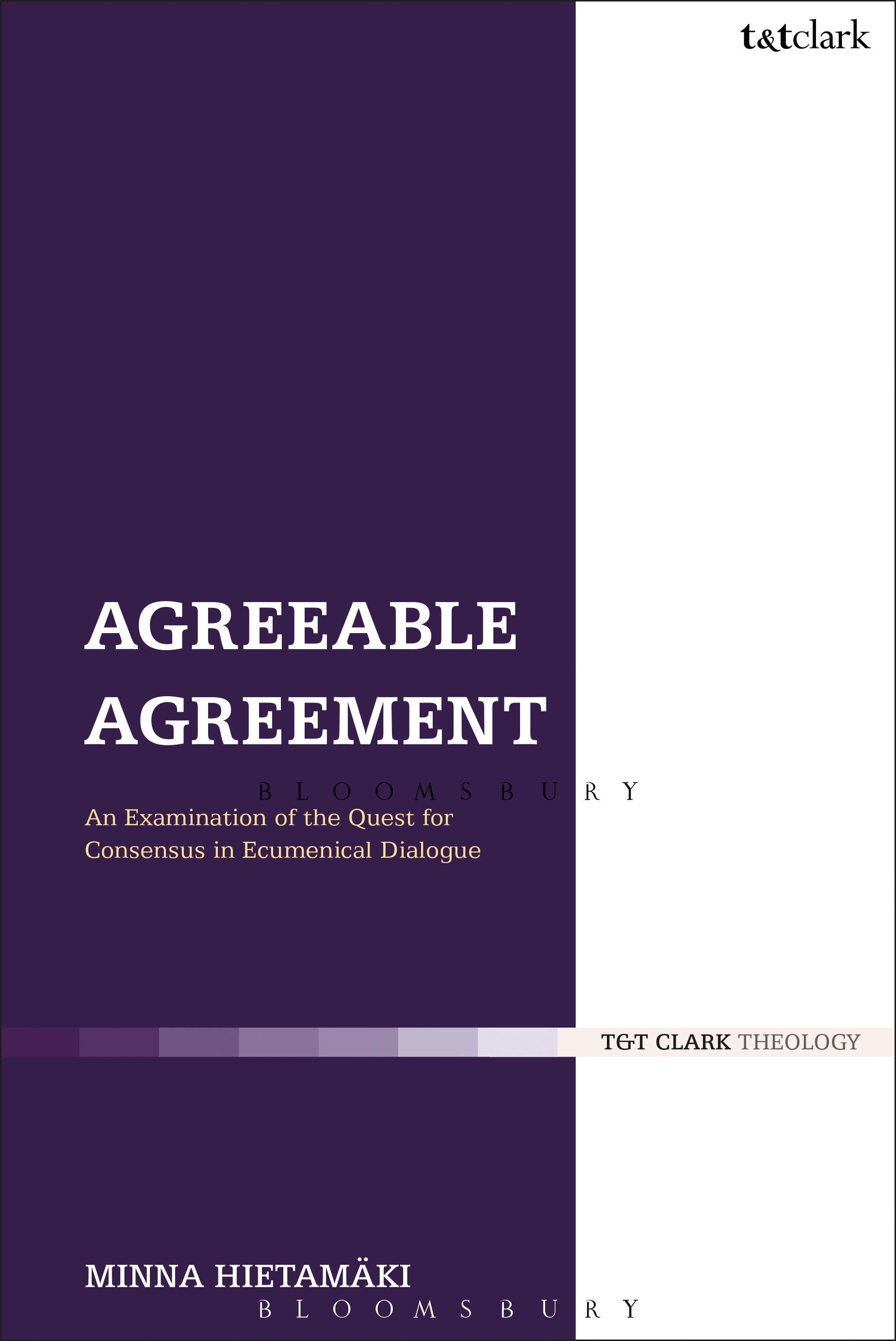
In recent bilateral ecumenical dialogue the aim of the dialogue has been to reach some form of doctrinal consensus. The three major chapters of the book discuss the variety of forms of doctrinal consensus found in ecumenical dialogues among Anglicans, Lutherans and Roman Catholics. In general, the dialogue documents argue for agreement/consensus based on commonality or compatibility.
Each of the three dialogue processes has specific characteristics and formulates its argument in a unique way. The Lutheran-Roman Catholic dialogue has a particular interest in hermeneutical questions and proposes various forms of "differentiated" or perspectival forms of consensus. The Anglican-Roman Catholic dialogue emphasises the correctness of interpretations. The documents consciously look towards a "common future", not the separated past.
Each of the three dialogue processes has specific characteristics and formulates its argument in a unique way. The Lutheran-Roman Catholic dialogue has a particular interest in hermeneutical questions and proposes various forms of "differentiated" or perspectival forms of consensus. The Anglican-Roman Catholic dialogue emphasises the correctness of interpretations. The documents consciously look towards a "common future", not the separated past.
Pay easily by card, Klarna, Apple Pay or Google Pay. Not happy? You always have a 14-day money-back guarantee. Read more in our terms. If you have any questions, email us at hello@memmo.org.
Memmo makes studying easier – wherever you are in the world. We bring your course books and smart study tools together in one place: summaries, quizzes, podcasts and flashcards. Plus Ted, your study buddy who answers anything you wonder. Over 50,000 students already study here – built to help you learn faster and stress less.