
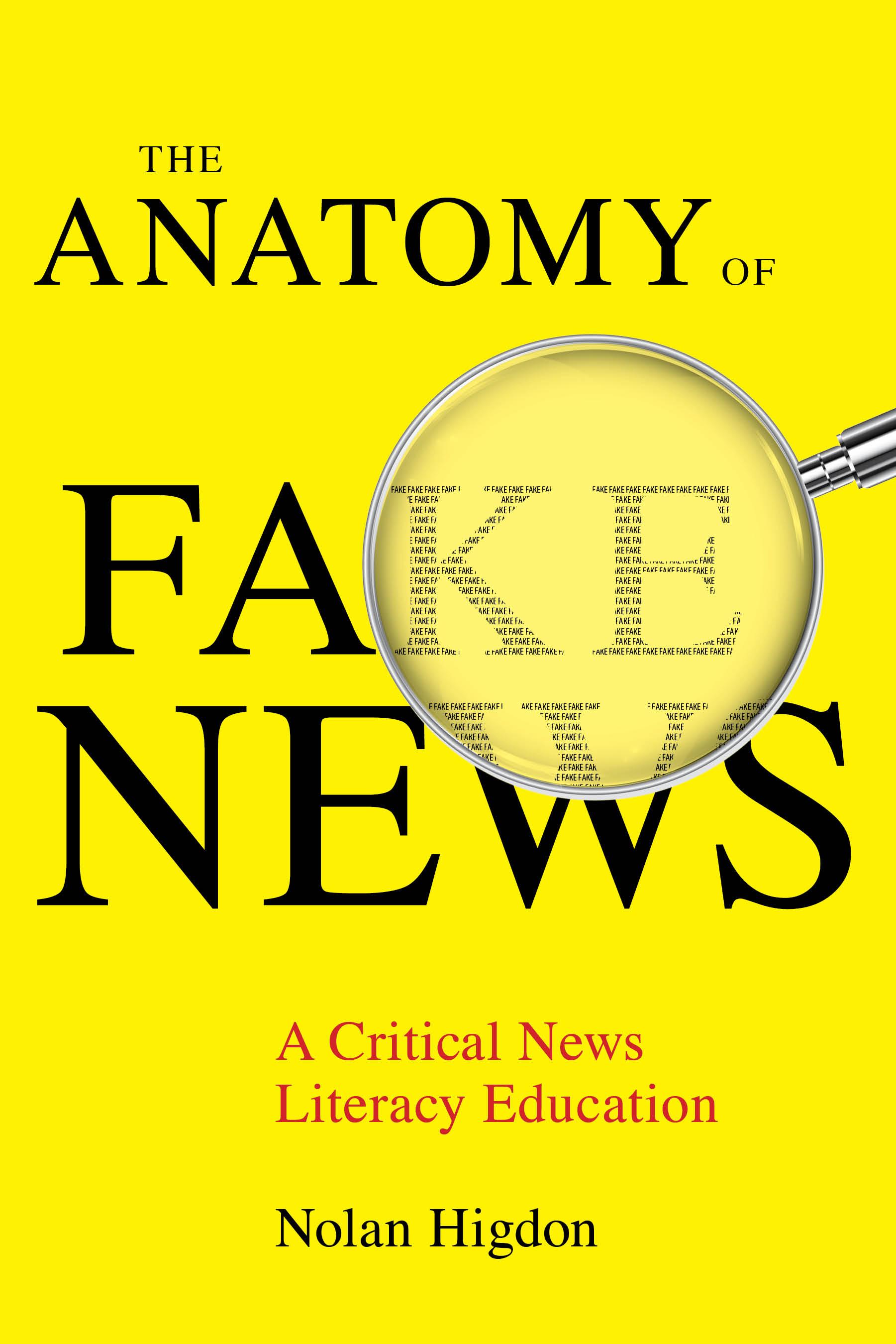
Since the 2016 U.S. presidential election, concerns about fake news have fostered calls for government regulation and industry intervention to mitigate the influence of false content. These proposals are hindered by a lack of consensus concerning the definition of fake news or its origins. Media scholar Nolan Higdon contends that expanded access to critical media literacy education, grounded in a comprehensive history of fake news, is a more promising solution to these issues. The Anatomy of Fake News offers the first historical examination of fake news that takes as its goal the effective teaching of critical news literacy in the United States. Higdon employs a critical-historical media ecosystems approach to identify the producers, themes, purposes, and influences of fake news. The findings are then incorporated into an invaluable fake news detection kit. This much-needed resource provides a rich history and a promising set of pedagogical strategies for mitigating the pernicious influence of fake news.
Pay easily by card, Klarna, Apple Pay or Google Pay. Not happy? You always have a 14-day money-back guarantee. Read more in our terms. If you have any questions, email us at hello@memmo.org.
Memmo makes studying easier – wherever you are in the world. We bring your course books and smart study tools together in one place: summaries, quizzes, podcasts and flashcards. Plus Ted, your study buddy who answers anything you wonder. Over 75,000 students already study here – built to help you learn faster and stress less.
You might also like
Buy the book0