
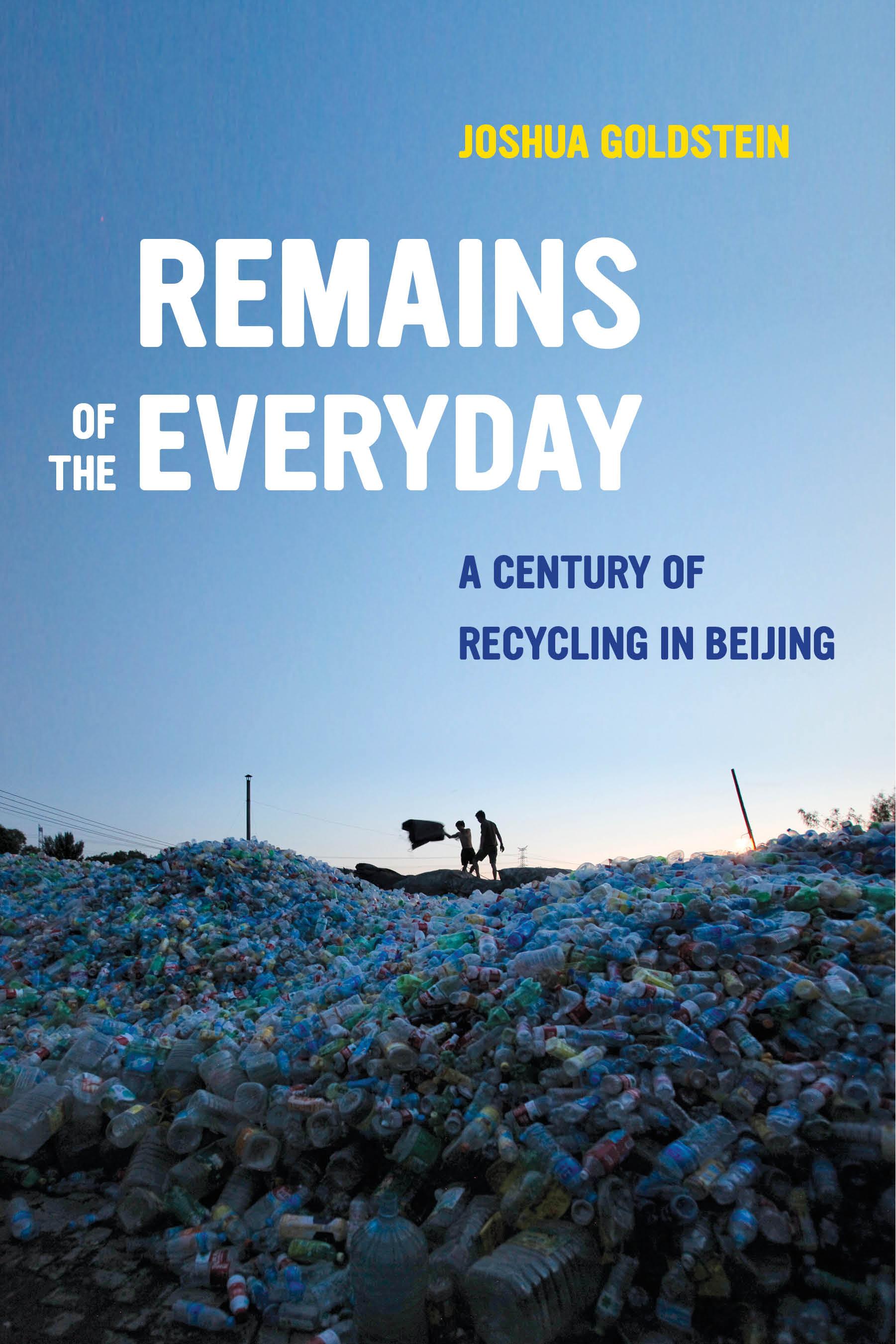
Remains of the Everyday traces the changing material culture and industrial ecology of China through the lens of recycling. Over the last century, waste recovery and secondhand goods markets have been integral to Beijing’s economic functioning and cultural identity, and acts of recycling have figured centrally in the ideological imagination of modernity and citizenship. On the one hand, the Chinese state has repeatedly promoted acts of voluntary recycling as exemplary of conscientious citizenship. On the other, informal recycling networks—from the night soil carriers of the Republican era to the collectors of plastic and cardboard in Beijing’s neighborhoods today—have been represented as undisciplined, polluting, and technologically primitive due to the municipal government’s failure to control them. The result, Joshua Goldstein argues, is the repeatedly re-inscribed exclusion of waste workers from formations of modern urban citizenship as well as the intrinsic liminality of recycling itself as an economic process.
Pay easily by card, Klarna, Apple Pay or Google Pay. Not happy? You always have a 14-day money-back guarantee. Read more in our terms. If you have any questions, email us at hello@memmo.org.
Memmo makes studying easier – wherever you are in the world. We bring your course books and smart study tools together in one place: summaries, quizzes, podcasts and flashcards. Plus Ted, your study buddy who answers anything you wonder. Over 50,000 students already study here – built to help you learn faster and stress less.
You might also like
Buy the book0