
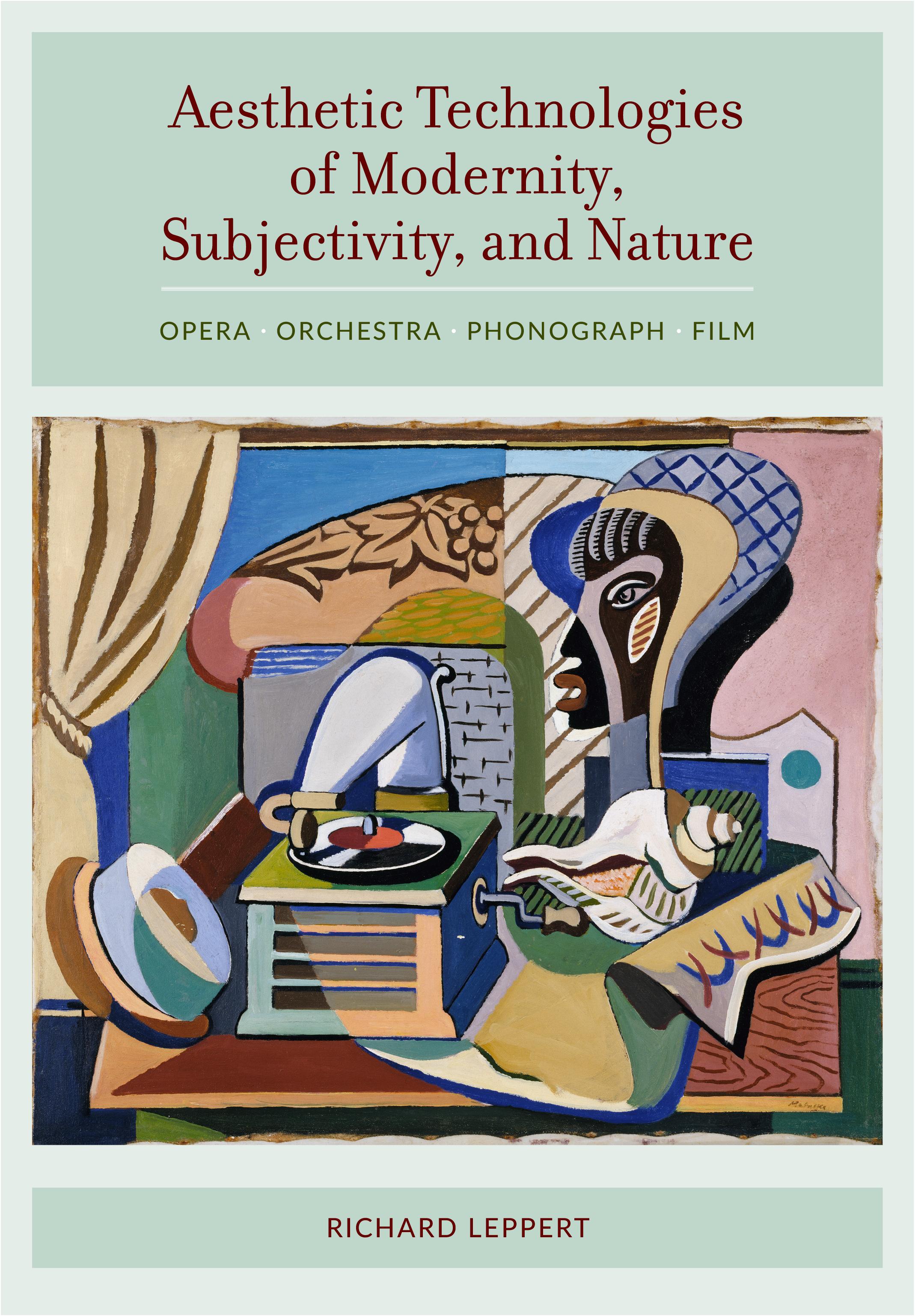
Virginia Woolf famously claimed that, around December 1910, human character changed. Aesthetic Technologies addresses how music (especially opera), the phonograph, and film served as cultural agents facilitating the many extraordinary social, artistic, and cultural shifts that characterized the new century and much of what followed long thereafter, even to the present. Three tropes are central: the tensions and traumas—cultural, social, and personal—associated with modernity; changes in human subjectivity and its engagement and representation in music and film; and the more general societal impact of modern media, sound recording (the development of the phonograph in particular), and the critical role played by early-century opera recording. A principal focus of the book is the conflicted relationship in Western modernity to nature, particularly as nature is perceived in opposition to culture and articulated through music, film, and sound as agents of fundamental, sometimes shocking transformation. The book considers the sound/vision world of modernity filtered through the lens of aesthetic modernism and rapid technological change, and the impact of both, experienced with the prescient sense that there could be no turning back.
Pages: 348
Category: Film- & Medievetenskap
e-ISBN: 9780520962521
Shipping weight: 1.2 kg
Ships in: 1-2 days
Pay easily by card, Klarna, Apple Pay or Google Pay. Not happy? You always have a 14-day money-back guarantee. Read more in our terms. If you have any questions, email us at hello@memmo.org.
Memmo makes studying easier – wherever you are in the world. We bring your course books and smart study tools together in one place: summaries, quizzes, podcasts and flashcards. Plus Ted, your study buddy who answers anything you wonder. Over 50,000 students already study here – built to help you learn faster and stress less.
You might also like
Buy the book0