
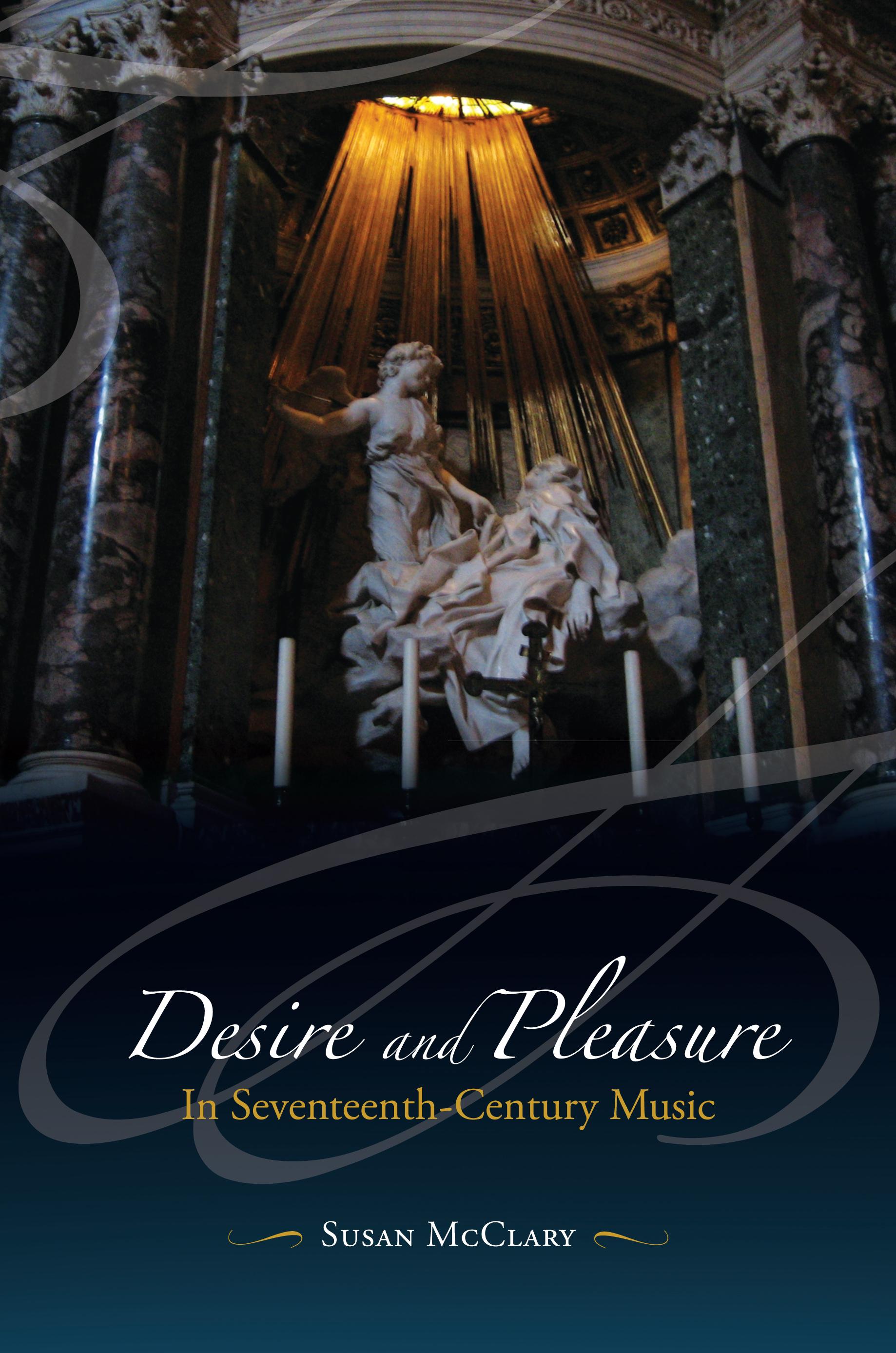
In this book, Susan McClary examines the mechanisms through which seventeenth-century musicians simulated extreme affective states—desire, divine rapture, and ecstatic pleasure. She demonstrates how every major genre of the period, from opera to religious music to instrumental pieces based on dances, was part of this striving for heightened passions by performers and listeners. While she analyzes the social and historical reasons for the high value placed on expressive intensity in both secular and sacred music, and she also links desire and pleasure to the many technical innovations of the period. McClary shows how musicians—whether working within the contexts of the Reformation or Counter-Reformation, Absolutists courts or commercial enterprises in Venice—were able to manipulate known procedures to produce radically new ways of experiencing time and the Self.
Pay easily by card, Klarna, Apple Pay or Google Pay. Not happy? You always have a 14-day money-back guarantee. Read more in our terms. If you have any questions, email us at hello@memmo.org.
Memmo makes studying easier – wherever you are in the world. We bring your course books and smart study tools together in one place: summaries, quizzes, podcasts and flashcards. Plus Ted, your study buddy who answers anything you wonder. Over 50,000 students already study here – built to help you learn faster and stress less.
You might also like
Buy the book0