
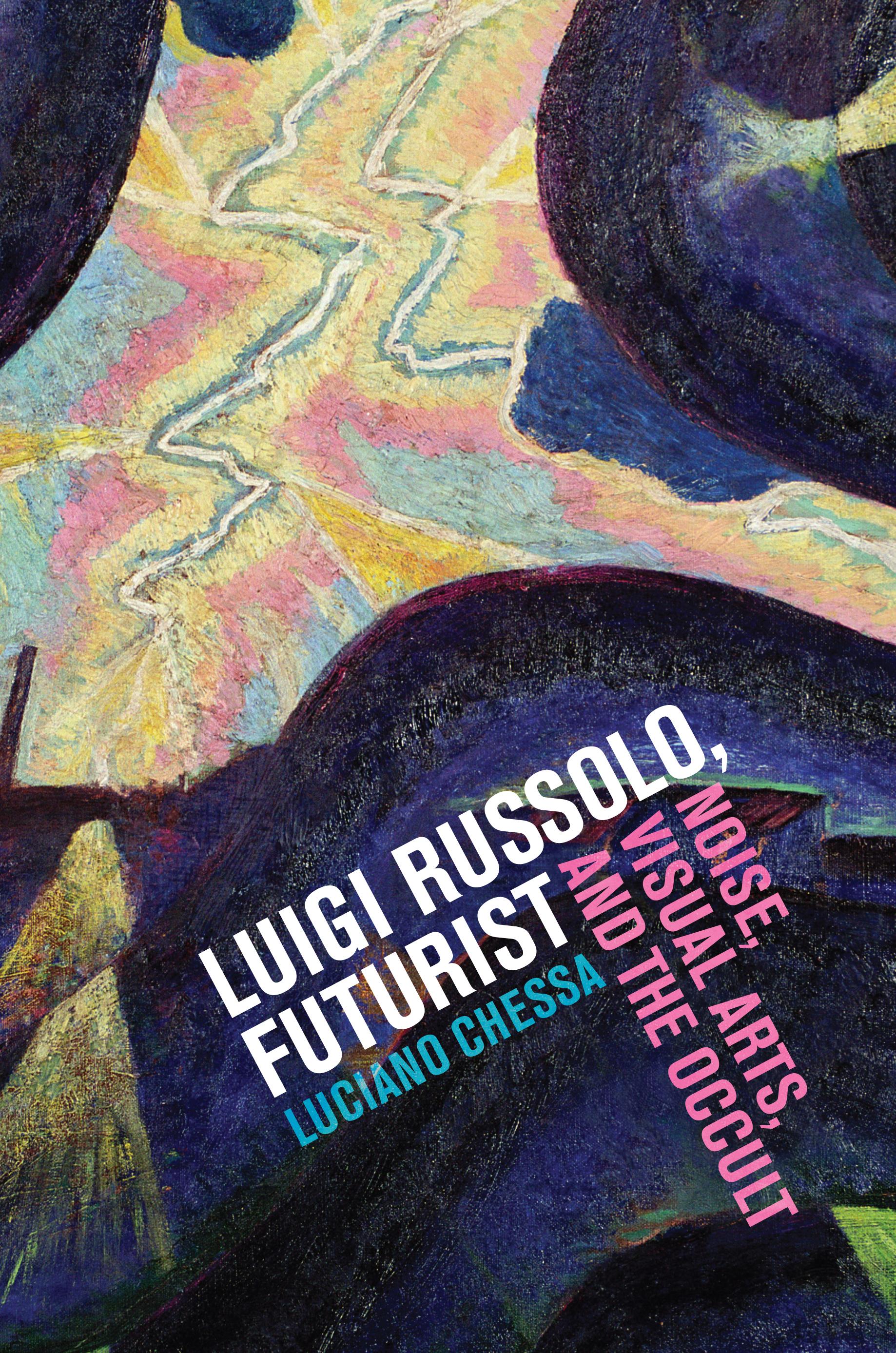
Luigi Russolo (1885–1947)—painter, composer, builder of musical instruments, and first-hour member of the Italian Futurist movement—was a crucial figure in the evolution of twentieth-century aesthetics. As creator of the first systematic poetics of noise and inventor of what has been considered the first mechanical sound synthesizer, Russolo looms large in the development of twentieth-century music. In the first English language study of Russolo, Luciano Chessa emphasizes the futurist’s interest in the occult, showing it to be a leitmotif for his life and a foundation for his art of noises. Chessa shows that Russolo’s aesthetics of noise, and the machines he called the intonarumori, were intended to boost practitioners into higher states of spiritual consciousness. His analysis reveals a multifaceted man in whom the drive to keep up with the latest scientific trends coexisted with an embrace of the irrational, and a critique of materialism and positivism.
Pay easily by card, Klarna, Apple Pay or Google Pay. Not happy? You always have a 14-day money-back guarantee. Read more in our terms. If you have any questions, email us at hello@memmo.org.
Memmo makes studying easier – wherever you are in the world. We bring your course books and smart study tools together in one place: summaries, quizzes, podcasts and flashcards. Plus Ted, your study buddy who answers anything you wonder. Over 50,000 students already study here – built to help you learn faster and stress less.
You might also like
Buy the book0