
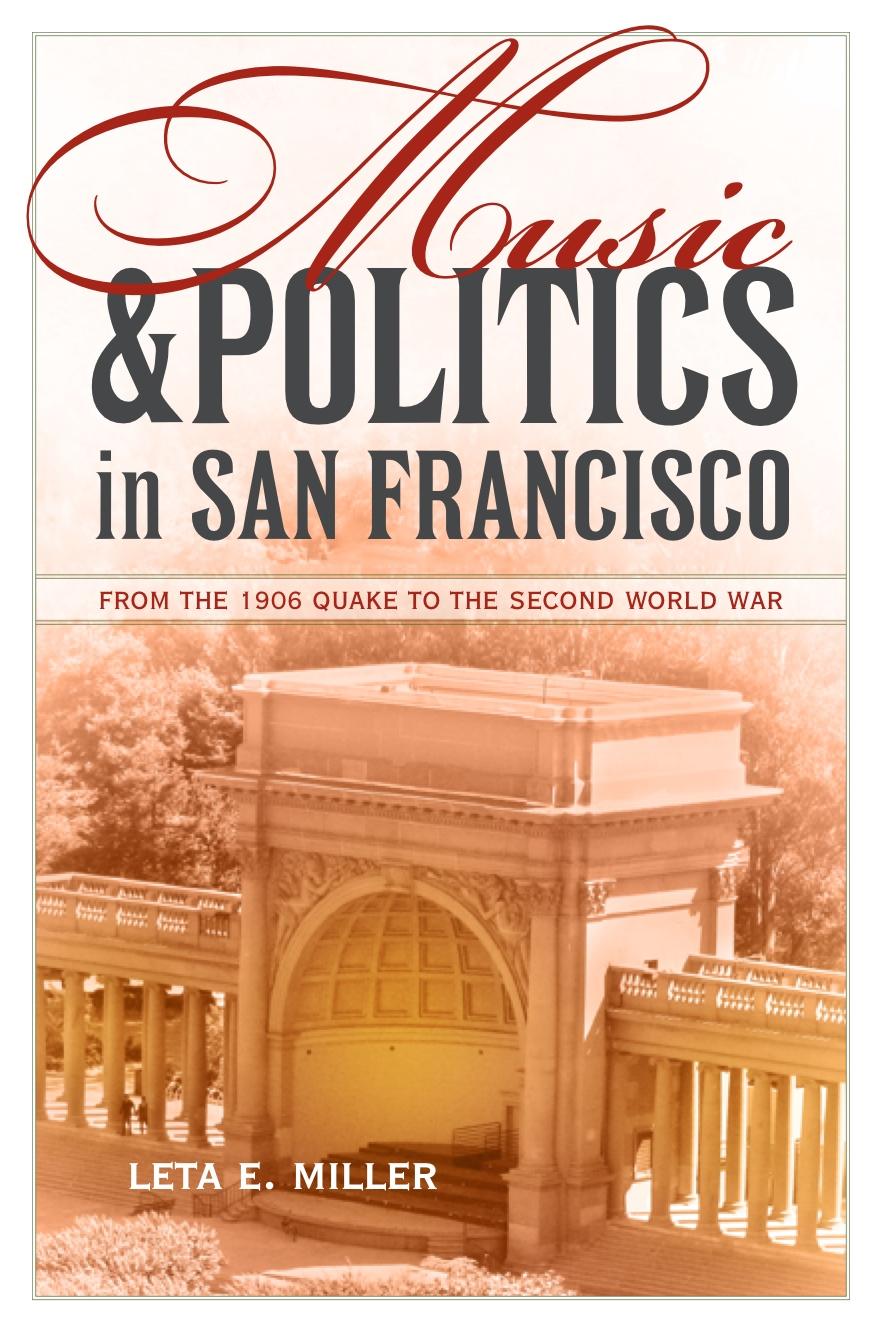
This lively history immerses the reader in San Francisco’s musical life during the first half of the twentieth century, showing how a fractious community overcame virulent partisanship to establish cultural monuments such as the San Francisco Symphony (1911) and Opera (1923). Leta E. Miller draws on primary source material and first-hand knowledge of the music to argue that a utopian vision counterbalanced partisan interests and inspired cultural endeavors, including the San Francisco Conservatory, two world fairs, and America’s first municipally owned opera house. Miller demonstrates that rampant racism, initially directed against Chinese laborers (and their music), reappeared during the 1930s in the guise of labor unrest as WPA music activities exploded in vicious battles between administrators and artists, and African American and white jazz musicians competed for jobs in nightclubs.
Pay easily by card, Klarna, Apple Pay or Google Pay. Not happy? You always have a 14-day money-back guarantee. Read more in our terms. If you have any questions, email us at hello@memmo.org.
Memmo makes studying easier – wherever you are in the world. We bring your course books and smart study tools together in one place: summaries, quizzes, podcasts and flashcards. Plus Ted, your study buddy who answers anything you wonder. Over 50,000 students already study here – built to help you learn faster and stress less.
You might also like
Buy the book0