
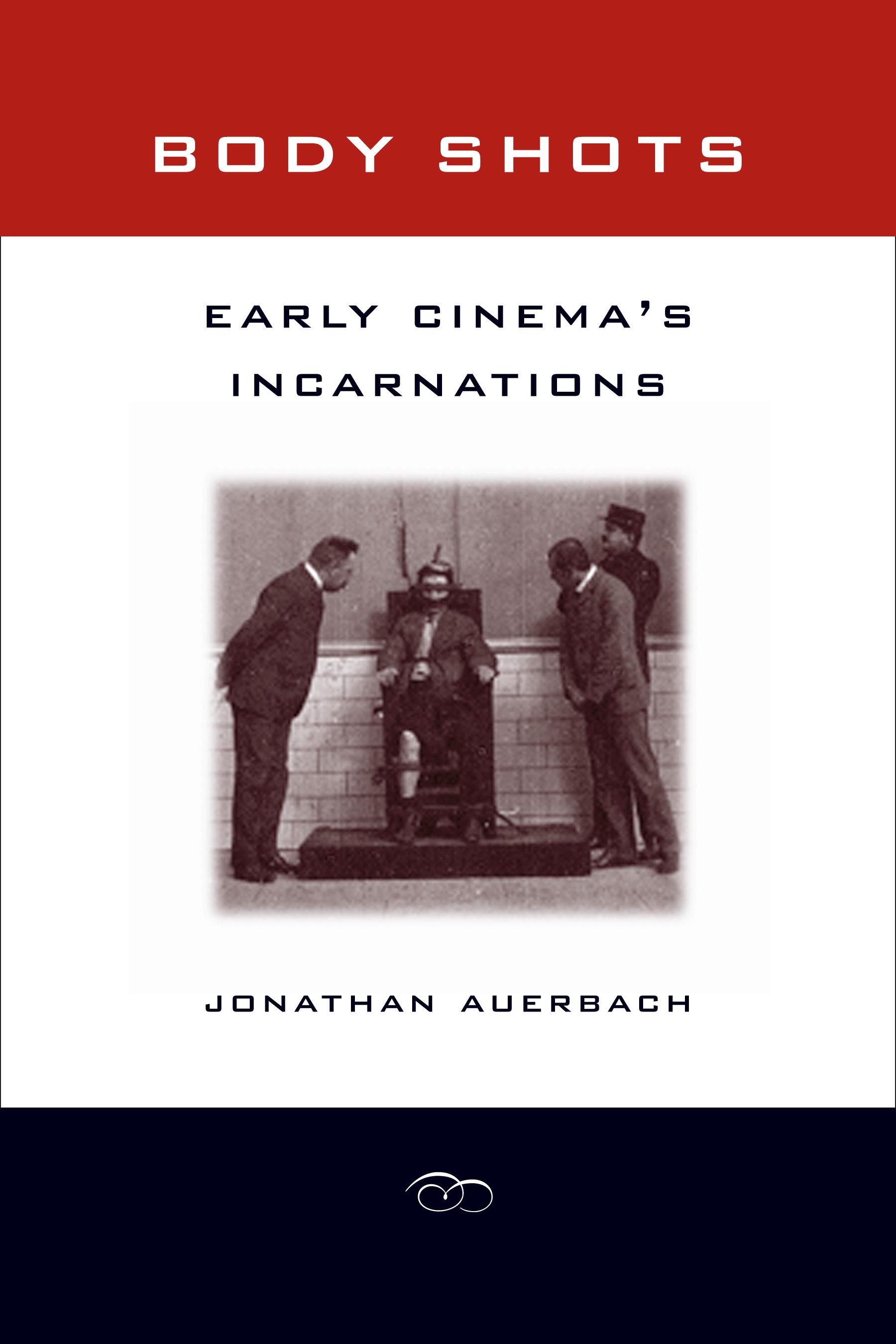
This original and compelling book places the body at the center of cinema's first decade of emergence and challenges the idea that for early audiences, the new medium's fascination rested on visual spectacle for its own sake. Instead, as Jonathan Auerbach argues, it was the human form in motion that most profoundly shaped early cinema. Situating his discussion in a political and historical context, Auerbach begins his analysis with films that reveal striking anxieties and preoccupations about persons on public display—both exceptional figures, such as 1896 presidential candidate William McKinley, and ordinary people caught by the movie camera in their daily routines. The result is a sharp, unique, and groundbreaking way to consider the turn-of-the-twentieth-century American incarnation of cinema itself.
Pages: 214
Category: Film- & Medievetenskap
e-ISBN: 9780520941199
Shipping weight: 1.2 kg
Ships in: 1-2 days
Pay easily by card, Klarna, Apple Pay or Google Pay. Not happy? You always have a 14-day money-back guarantee. Read more in our terms. If you have any questions, email us at hello@memmo.org.
Memmo makes studying easier – wherever you are in the world. We bring your course books and smart study tools together in one place: summaries, quizzes, podcasts and flashcards. Plus Ted, your study buddy who answers anything you wonder. Over 50,000 students already study here – built to help you learn faster and stress less.
You might also like
Buy the book0