
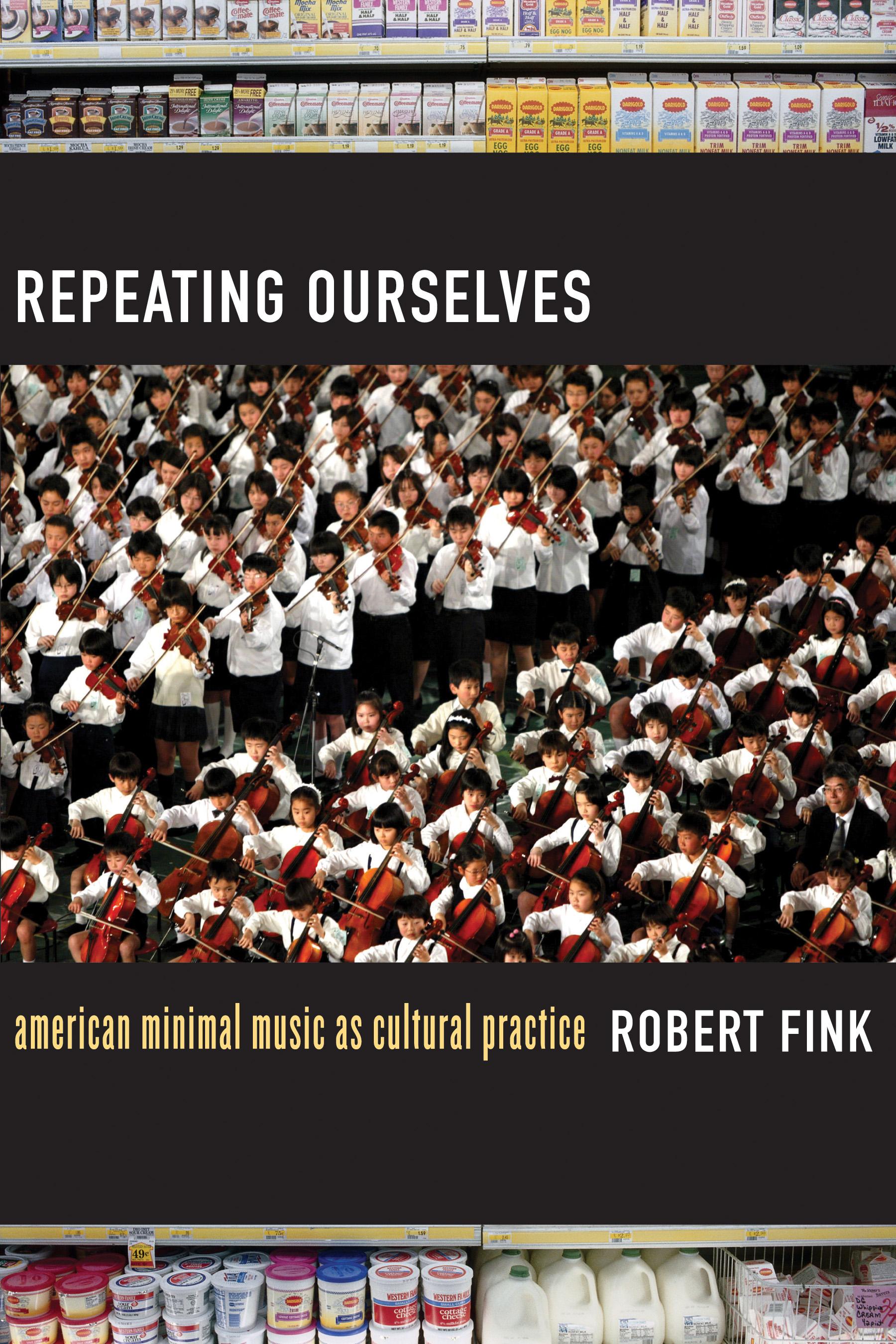
Where did musical minimalism come from—and what does it mean? In this significant revisionist account of minimalist music, Robert Fink connects repetitive music to the postwar evolution of an American mass consumer society. Abandoning the ingrained formalism of minimalist aesthetics, Repeating Ourselves considers the cultural significance of American repetitive music exemplified by composers such as Terry Riley, Steve Reich, and Philip Glass. Fink juxtaposes repetitive minimal music with 1970s disco; assesses it in relation to the selling structure of mass-media advertising campaigns; traces it back to the innovations in hi-fi technology that turned baroque concertos into ambient "easy listening"; and appraises its meditative kinship to the spiritual path of musical mastery offered by Japan's Suzuki Method of Talent Education.
Pay easily by card, Klarna, Apple Pay or Google Pay. Not happy? You always have a 14-day money-back guarantee. Read more in our terms. If you have any questions, email us at hello@memmo.org.
Memmo makes studying easier – wherever you are in the world. We bring your course books and smart study tools together in one place: summaries, quizzes, podcasts and flashcards. Plus Ted, your study buddy who answers anything you wonder. Over 50,000 students already study here – built to help you learn faster and stress less.
You might also like
Buy the book0