
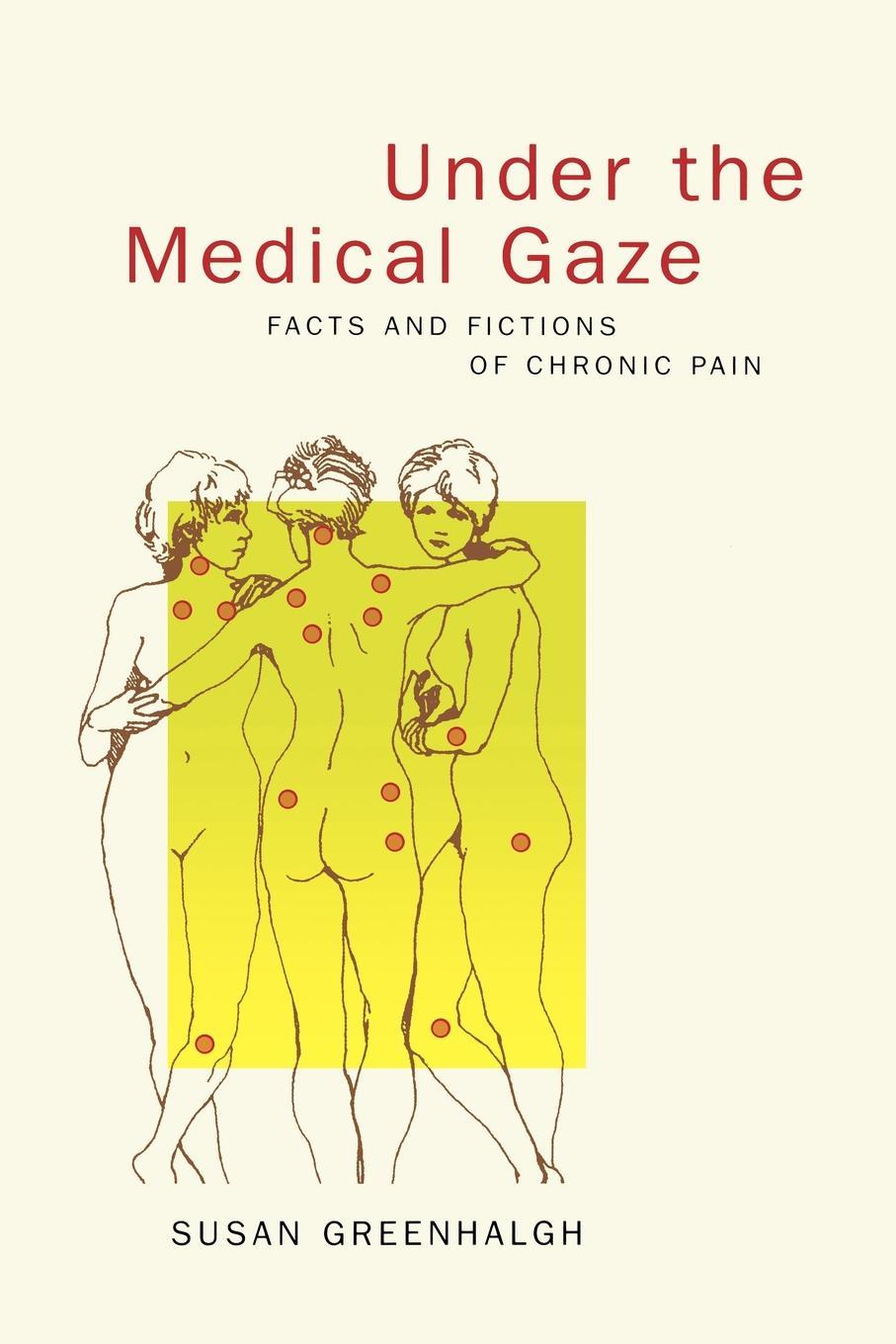
This compelling account of the author's experience with a chronic pain disorder and subsequent interaction with the American health care system goes to the heart of the workings of power and culture in the biomedical domain. It is a medical whodunit full of mysterious misdiagnosis, subtle power plays, and shrewd detective work. Setting a new standard for the practice of autoethnography, Susan Greenhalgh presents a case study of her intense encounter with an enthusiastic young specialist who, through creative interpretation of the diagnostic criteria for a newly emerging chronic disease, became convinced she had a painful, essentially untreatable, lifelong muscle condition called fibromyalgia. Greenhalgh traces the ruinous effects of this diagnosis on her inner world, bodily health, and overall well-being. Under the Medical Gaze serves as a powerful illustration of medicine's power to create and inflict suffering, to define disease and the self, and to manage relationships and lives.
Greenhalgh ultimately learns that she had been misdiagnosed and begins the long process of undoing the physical and emotional damage brought about by her nearly catastrophic treatment. In considering how things could go so awry, she embarks on a cogent and powerful analysis of the sociopolitical sources of pain through feminist, cultural, and political understandings of the nature of medical discourse and practice in the United States. She develops fresh arguments about the power of medicine to medicalize our selves and lives, the seductions of medical science, and the deep, psychologically rooted difficulties women patients face in interactions with male physicians. In the end, Under the Medical Gaze goes beyond the critique of biomedicine to probe the social roots of chronic pain and therapeutic alternatives that rely on neither the body-cure of conventional medicine nor the mind-cure of some alternative medicines, but rather a broader set of strategies that address the sociopolitical sources of pain.
Greenhalgh ultimately learns that she had been misdiagnosed and begins the long process of undoing the physical and emotional damage brought about by her nearly catastrophic treatment. In considering how things could go so awry, she embarks on a cogent and powerful analysis of the sociopolitical sources of pain through feminist, cultural, and political understandings of the nature of medical discourse and practice in the United States. She develops fresh arguments about the power of medicine to medicalize our selves and lives, the seductions of medical science, and the deep, psychologically rooted difficulties women patients face in interactions with male physicians. In the end, Under the Medical Gaze goes beyond the critique of biomedicine to probe the social roots of chronic pain and therapeutic alternatives that rely on neither the body-cure of conventional medicine nor the mind-cure of some alternative medicines, but rather a broader set of strategies that address the sociopolitical sources of pain.
Pay easily by card, Klarna, Apple Pay or Google Pay. Not happy? You always have a 14-day money-back guarantee. Read more in our terms. If you have any questions, email us at hello@memmo.org.
Memmo makes studying easier – wherever you are in the world. We bring your course books and smart study tools together in one place: summaries, quizzes, podcasts and flashcards. Plus Ted, your study buddy who answers anything you wonder. Over 50,000 students already study here – built to help you learn faster and stress less.
You might also like
Buy the book0