
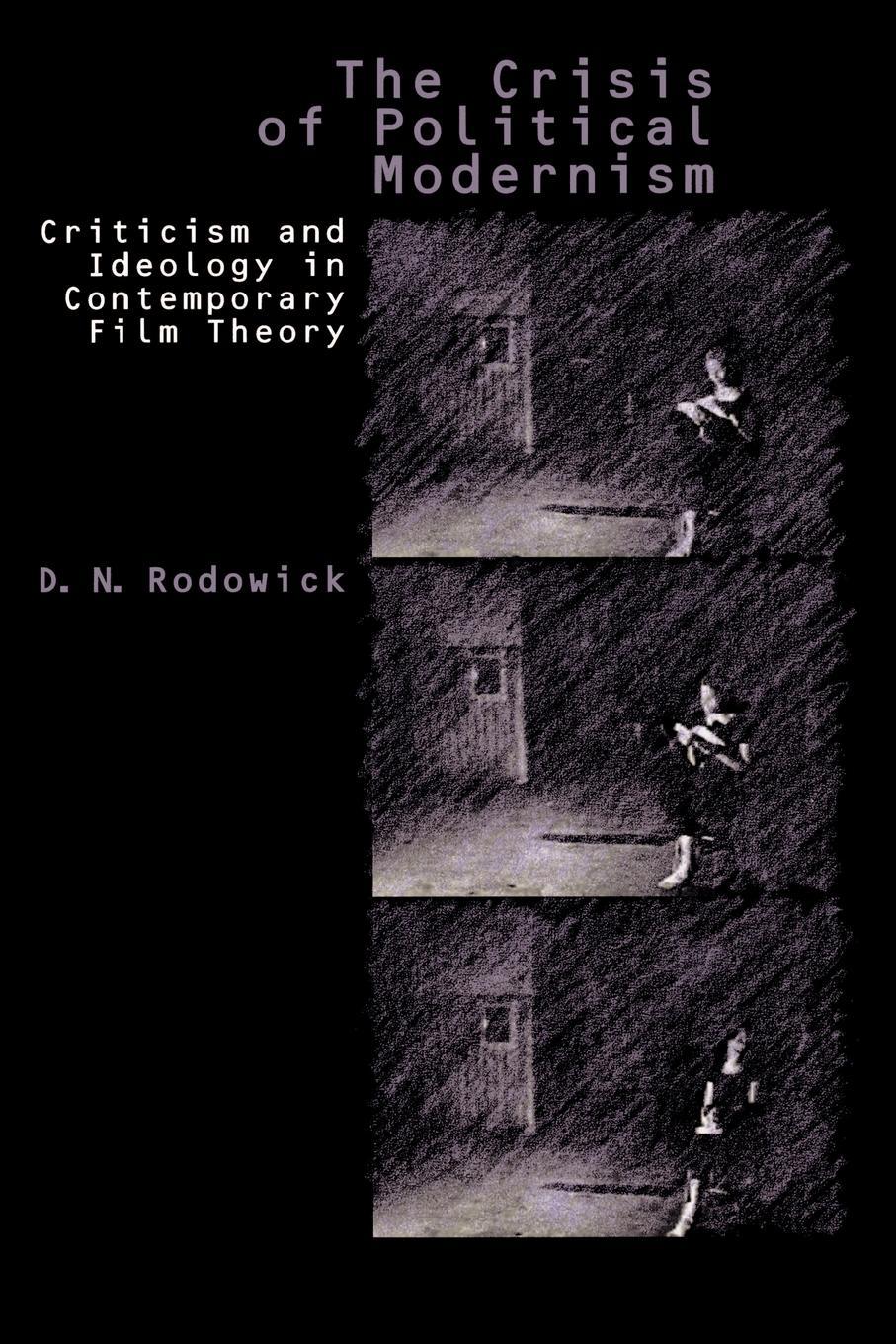
D.N. Rodowick offers a critical analysis of the development of film theory since 1968. He shows how debates concerning the literary principles of modernism—semiotics, structuralism, psychoanalysis, Marxism, and feminism—have transformed our understanding of cinematic meaning. Rodowick explores the literary paradigms established in France during the late 1960s and traces their influence on the work of diverse filmmaker/theorists including Jean-Luc Godard, Peter Gidal, Laura Mulvey, and Peter Wollen. By exploring the "new French feminisms" of Irigaray and Kristeva, he investigates the relation of political modernism to psychoanalysis and theories of sexual difference. In a new introduction written especially for this edition, Rodowick considers the continuing legacy of this theoretical tradition in relation to the emergence of cultural studies approaches to film.
D.N. Rodowick offers a critical analysis of the development of film theory since 1968. He shows how debates concerning the literary principles of modernism—semiotics, structuralism, psychoanalysis, Marxism, and feminism—have transformed our understanding
D.N. Rodowick offers a critical analysis of the development of film theory since 1968. He shows how debates concerning the literary principles of modernism—semiotics, structuralism, psychoanalysis, Marxism, and feminism—have transformed our understanding
Pages: 311
Category: Film- & Medievetenskap
e-ISBN: 9780520915169
Shipping weight: 1.2 kg
Ships in: 1-2 days
Pay easily by card, Klarna, Apple Pay or Google Pay. Not happy? You always have a 14-day money-back guarantee. Read more in our terms. If you have any questions, email us at hello@memmo.org.
Memmo makes studying easier – wherever you are in the world. We bring your course books and smart study tools together in one place: summaries, quizzes, podcasts and flashcards. Plus Ted, your study buddy who answers anything you wonder. Over 50,000 students already study here – built to help you learn faster and stress less.
You might also like
Buy the book0