
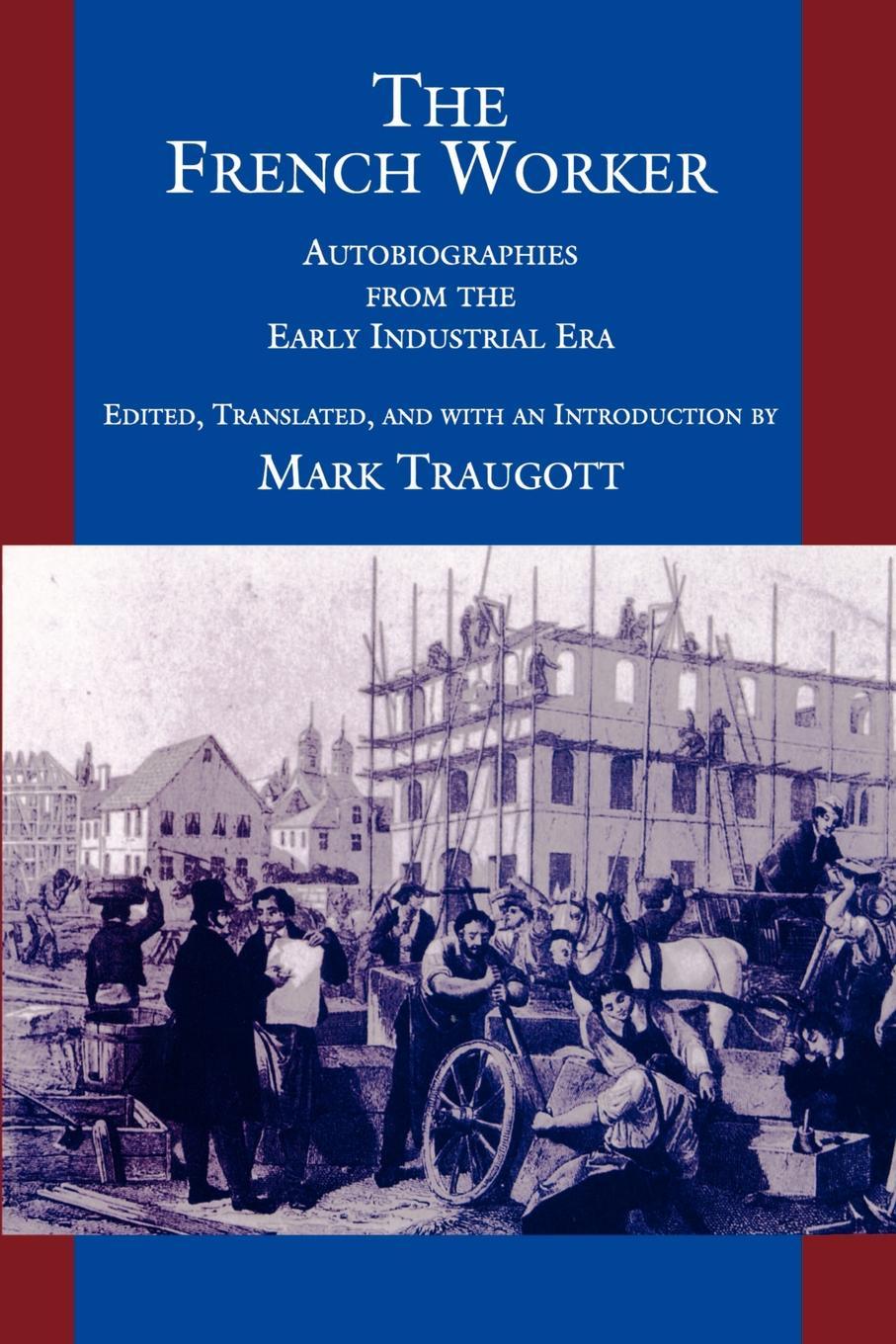
This anthology, drawn from the autobiographies of seven men and women whose lives span the nineteenth century, provides a rare glimpse of the everyday lives of workers in the age of early industrialization in France. Appearing for the first time in English, these stories vividly convey the ambitions, hardships, and reversals of ordinary people struggling to gain a measure of respectability.
The workers' livelihoods are diverse: chair-maker, embroiderer, joiner, mason, silk weaver, machinist, seamstress. Their stories of daily activities, work life, and popular politics are filled with lively, often poignant moments. We learn of dismal, unsanitary housing; of disease; workplace accidents; and terrible hardship, especially for the children of the poor. We read of exploitation and injustice, of courtship and marriage, and of the sociability of the wine-merchant's shop and the boardinghouse.
Traugott's analytic introduction discusses the many shifts in French society during the nineteenth century. Used in combination with other sources, these autobiographies illuminate the relationship between changes in working conditions and in the forms of political participation and protest occurring as the century came to a close.
This anthology, drawn from the autobiographies of seven men and women whose lives span the nineteenth century, provides a rare glimpse of the everyday lives of workers in the age of early industrialization in France. Appearing for the first time in Englis
The workers' livelihoods are diverse: chair-maker, embroiderer, joiner, mason, silk weaver, machinist, seamstress. Their stories of daily activities, work life, and popular politics are filled with lively, often poignant moments. We learn of dismal, unsanitary housing; of disease; workplace accidents; and terrible hardship, especially for the children of the poor. We read of exploitation and injustice, of courtship and marriage, and of the sociability of the wine-merchant's shop and the boardinghouse.
Traugott's analytic introduction discusses the many shifts in French society during the nineteenth century. Used in combination with other sources, these autobiographies illuminate the relationship between changes in working conditions and in the forms of political participation and protest occurring as the century came to a close.
This anthology, drawn from the autobiographies of seven men and women whose lives span the nineteenth century, provides a rare glimpse of the everyday lives of workers in the age of early industrialization in France. Appearing for the first time in Englis
Pay easily by card, Klarna, Apple Pay or Google Pay. Not happy? You always have a 14-day money-back guarantee. Read more in our terms. If you have any questions, email us at hello@memmo.org.
Memmo makes studying easier – wherever you are in the world. We bring your course books and smart study tools together in one place: summaries, quizzes, podcasts and flashcards. Plus Ted, your study buddy who answers anything you wonder. Over 50,000 students already study here – built to help you learn faster and stress less.
You might also like
Buy the book0