
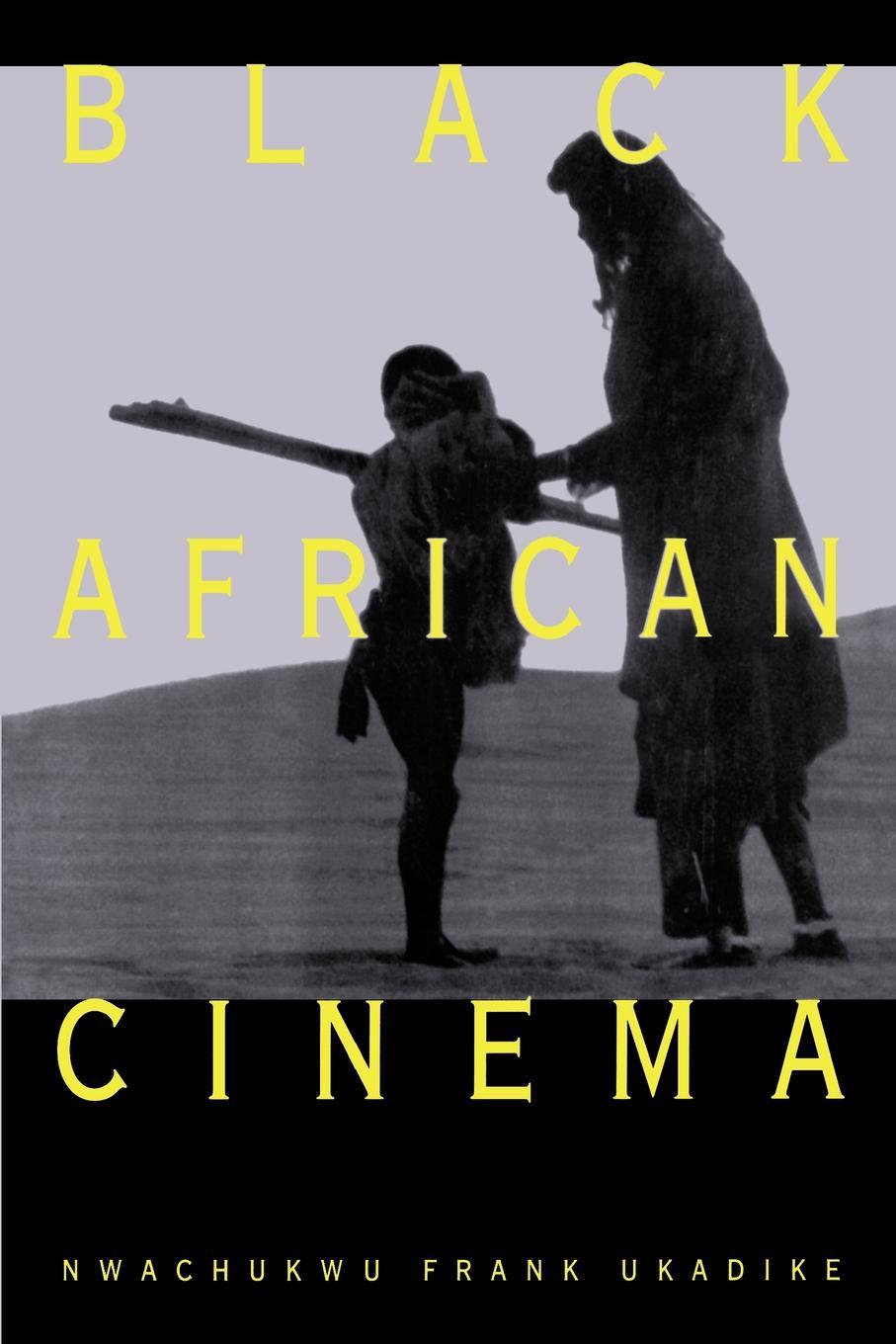
From the proselytizing lantern slides of early Christian missionaries to contemporary films that look at Africa through an African lens, N. Frank Ukadike explores the development of black African cinema. He examines the impact of culture and history, and of technology and co-production, on filmmaking throughout Africa.
Every aspect of African contact with and contribution to cinematic practices receives attention: British colonial cinema; the thematic and stylistic diversity of the pioneering "francophone" films; the effects of television on the motion picture industry; and patterns of television documentary filmmaking in "anglophone" regions. Ukadike gives special attention to the growth of independent production in Ghana and Nigeria, the unique Yoruba theater-film tradition, and the militant liberationist tendencies of "lusophone" filmmakers. He offers a lucid discussion of oral tradition as a creative matrix and the relationship between cinema and other forms of popular culture. And, by contrasting "new" African films with those based on the traditional paradigm, he explores the trends emerging from the eighties and nineties.
Clearly written and accessible to specialist and general reader alike, Black African Cinema's analysis of key films and issues—the most comprehensive in English—is unique. The book's pan-Africanist vision heralds important new strategies for appraising a cinema that increasingly attracts the attention of film students and Africanists.
From the proselytizing lantern slides of early Christian missionaries to contemporary films that look at Africa through an African lens, N. Frank Ukadike explores the development of black African cinema. He examines the impact of culture and history, and
Every aspect of African contact with and contribution to cinematic practices receives attention: British colonial cinema; the thematic and stylistic diversity of the pioneering "francophone" films; the effects of television on the motion picture industry; and patterns of television documentary filmmaking in "anglophone" regions. Ukadike gives special attention to the growth of independent production in Ghana and Nigeria, the unique Yoruba theater-film tradition, and the militant liberationist tendencies of "lusophone" filmmakers. He offers a lucid discussion of oral tradition as a creative matrix and the relationship between cinema and other forms of popular culture. And, by contrasting "new" African films with those based on the traditional paradigm, he explores the trends emerging from the eighties and nineties.
Clearly written and accessible to specialist and general reader alike, Black African Cinema's analysis of key films and issues—the most comprehensive in English—is unique. The book's pan-Africanist vision heralds important new strategies for appraising a cinema that increasingly attracts the attention of film students and Africanists.
From the proselytizing lantern slides of early Christian missionaries to contemporary films that look at Africa through an African lens, N. Frank Ukadike explores the development of black African cinema. He examines the impact of culture and history, and
Pages: 384
Category: Film- & Medievetenskap
e-ISBN: 9780520912366
Shipping weight: 1.2 kg
Ships in: 1-2 days
Pay easily by card, Klarna, Apple Pay or Google Pay. Not happy? You always have a 14-day money-back guarantee. Read more in our terms. If you have any questions, email us at hello@memmo.org.
Memmo makes studying easier – wherever you are in the world. We bring your course books and smart study tools together in one place: summaries, quizzes, podcasts and flashcards. Plus Ted, your study buddy who answers anything you wonder. Over 50,000 students already study here – built to help you learn faster and stress less.
You might also like
Buy the book0