
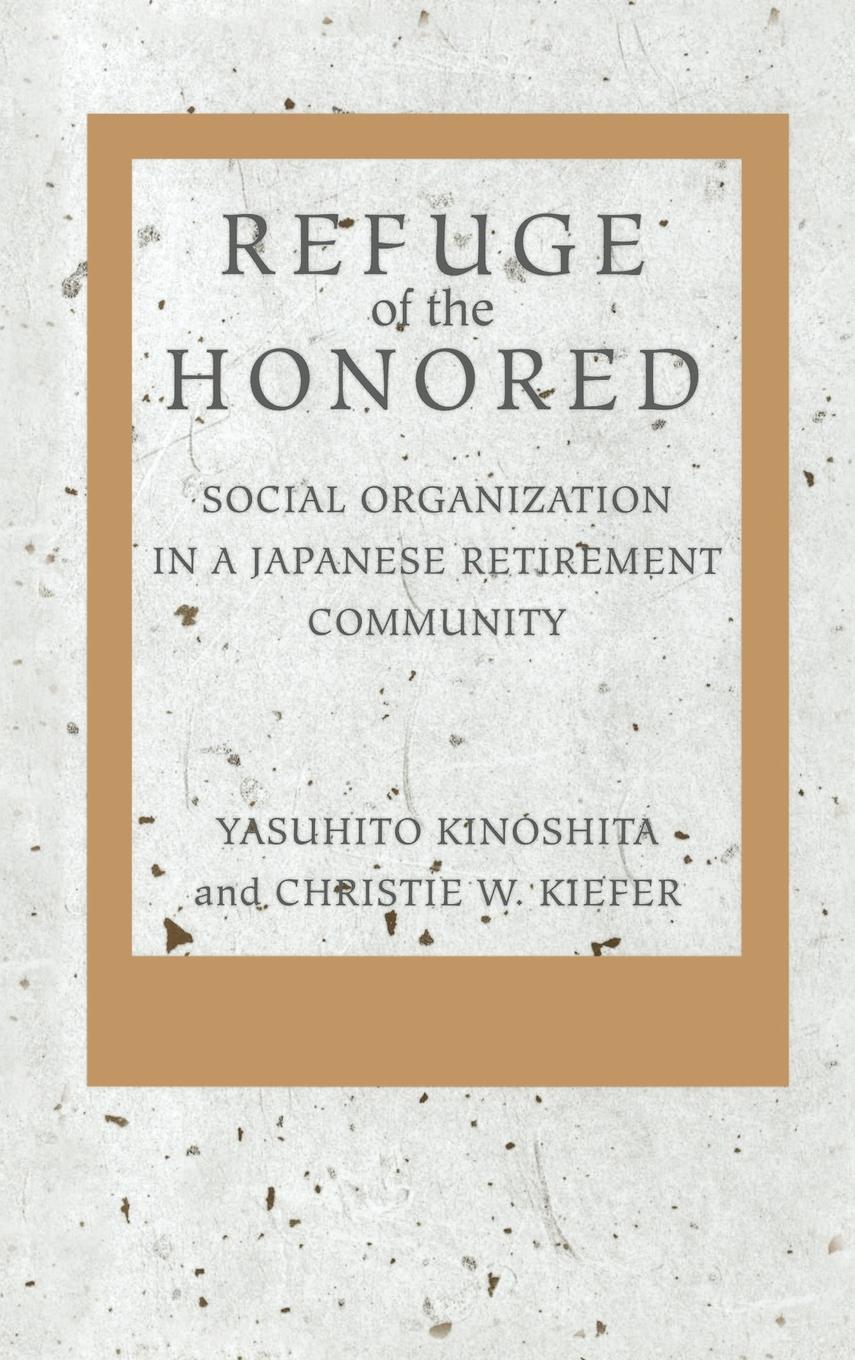
Faced with the decline of the traditional family and the explosive growth of the over-65 population, the Japanese are looking for new ways to care for their elders. This timely study documents the birth of a major social phenomenon in Japan—the planned retirement community.
In the mid-1980s, Yasuhito Kinoshita spent a year living in Japan's first such community, Fuji-no-Sato. His collaboration with Christie W. Kiefer, a cultural gerontologist, is the first detailed study of a retirement community in a non-Western culture.
Fuji-no-Sato is a social community with no visible traditions. Kinoshita and Kiefer show that its residents' preference for long-established relationships creates the need for the invention of relationships that have no precedent in Japanese society.
This book reveals much about Japanese culture, and about the "graying of society" that plagues the newly industrialized countries of Asia. Its lessons about sensitivity to the elderly's values and the need for clear communication have important applications in other cultures as well.
Faced with the decline of the traditional family and the explosive growth of the over-65 population, the Japanese are looking for new ways to care for their elders. This timely study documents the birth of a major social phenomenon in Japan—the planned re
In the mid-1980s, Yasuhito Kinoshita spent a year living in Japan's first such community, Fuji-no-Sato. His collaboration with Christie W. Kiefer, a cultural gerontologist, is the first detailed study of a retirement community in a non-Western culture.
Fuji-no-Sato is a social community with no visible traditions. Kinoshita and Kiefer show that its residents' preference for long-established relationships creates the need for the invention of relationships that have no precedent in Japanese society.
This book reveals much about Japanese culture, and about the "graying of society" that plagues the newly industrialized countries of Asia. Its lessons about sensitivity to the elderly's values and the need for clear communication have important applications in other cultures as well.
Faced with the decline of the traditional family and the explosive growth of the over-65 population, the Japanese are looking for new ways to care for their elders. This timely study documents the birth of a major social phenomenon in Japan—the planned re
Pay easily by card, Klarna, Apple Pay or Google Pay. Not happy? You always have a 14-day money-back guarantee. Read more in our terms. If you have any questions, email us at hello@memmo.org.
Memmo makes studying easier – wherever you are in the world. We bring your course books and smart study tools together in one place: summaries, quizzes, podcasts and flashcards. Plus Ted, your study buddy who answers anything you wonder. Over 50,000 students already study here – built to help you learn faster and stress less.
You might also like
Buy the book0