
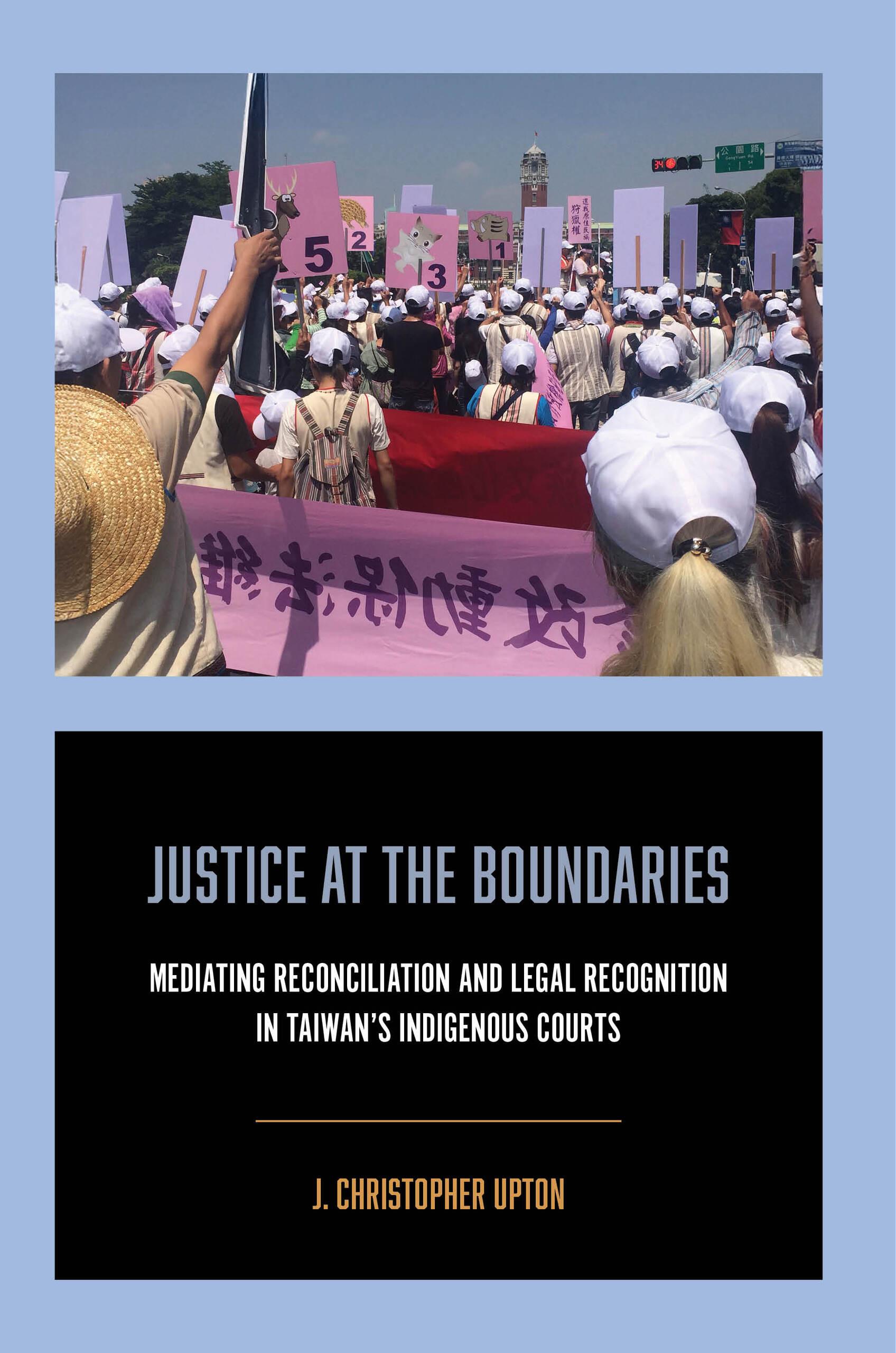
Justice at the Boundaries offers a powerful ethnographic account of the transformative potential and structural limitations of Taiwan's system of ad hoc Chambers of Indigenous Courts. Drawing on immersive fieldwork in courtrooms and Indigenous communities, J. Christopher Upton examines how judges, Indigenous litigants, and cultural brokers navigate contested terrains of law, identity, and sovereignty in a legal system shaped by ongoing processes of colonialism and aspirations of multiculturalism. From invocations of Indigenous laws to appeals to international human rights norms, the book reveals how courtroom encounters become sites of cultural negotiation, resistance, and possibility. Upton shows how Taiwan's Indigenous courts and other "boundary institutions" designed to bridge Indigenous and non-Indigenous worlds both challenge and reproduce entrenched hierarchies and power dynamics. The book brings fresh methodological and conceptual tools to the study of legal pluralism, Indigenous courts, Indigenous peoples' rights, and the complex politics of Indigenous recognition in the Asia-Pacific region and beyond.
Pay easily by card, Klarna, Apple Pay or Google Pay. Not happy? You always have a 14-day money-back guarantee. Read more in our terms. If you have any questions, email us at hello@memmo.org.
Memmo makes studying easier – wherever you are in the world. We bring your course books and smart study tools together in one place: summaries, quizzes, podcasts and flashcards. Plus Ted, your study buddy who answers anything you wonder. Over 50,000 students already study here – built to help you learn faster and stress less.