
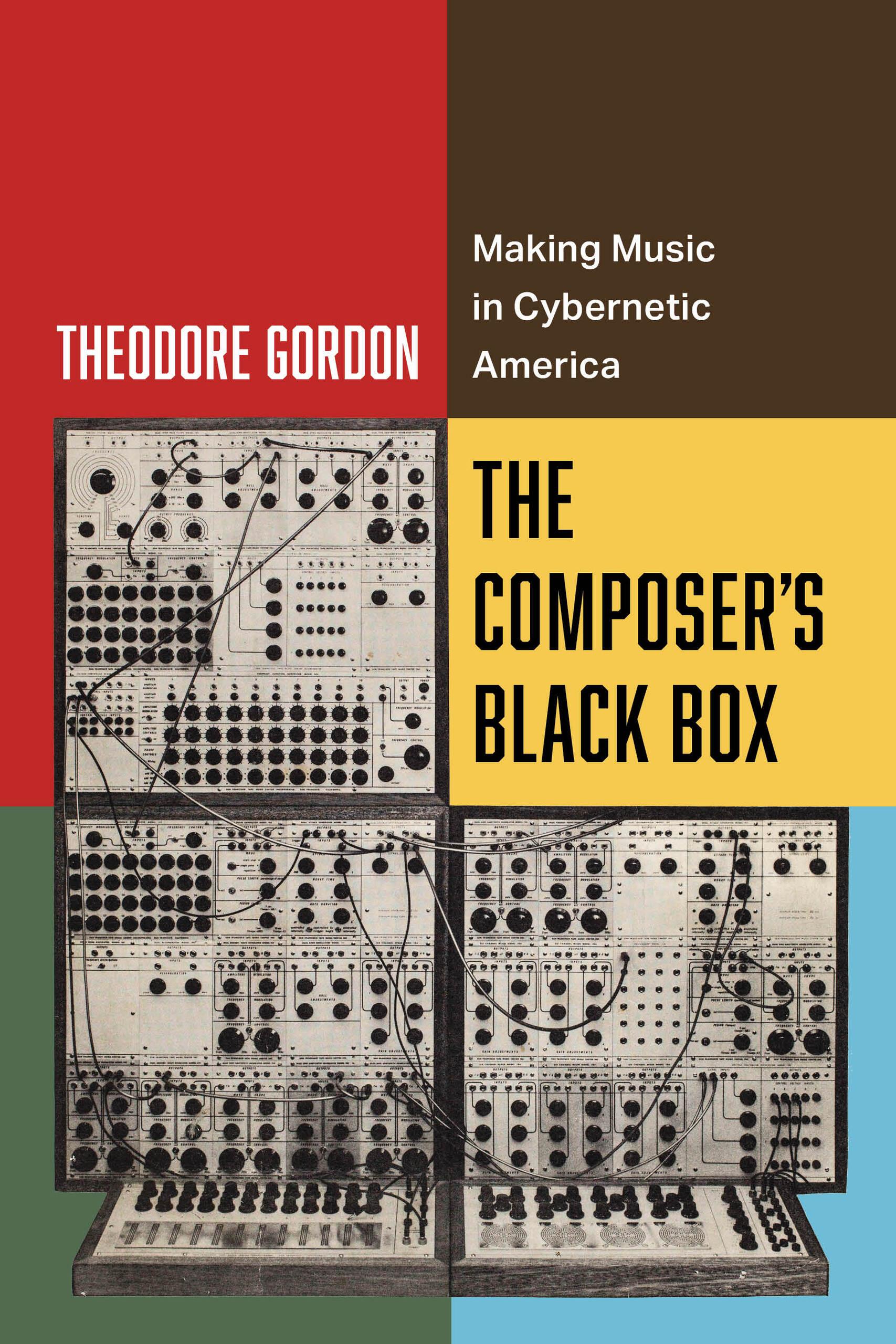
Stories about new musical instruments are often told as quests for new kinds of sounds. The Composer's Black Box asks, What happens when new musical instruments produce not only new sounds but also new dynamics of musical agency and control? And what consequences do those new dynamics have for musicality beyond sound? With a focus on five key figures—Morton Subotnick, Pauline Oliveros, Donald Buchla, Alvin Lucier, and Sun Ra—this book explores how scientific and technological developments in mid-twentieth-century America galvanized musicians to reconfigure their conceptions of sociality, freedom, and the creative self. Theodore Gordon shows how cybernetic thinking in a range of disciplines, from experimental music to jazz and electrical engineering, has shaped musical techniques and technologies and changed what it means to be a composer—or, more broadly, a music-making human—in an increasingly informational world.
Pay easily by card, Klarna, Apple Pay or Google Pay. Not happy? You always have a 14-day money-back guarantee. Read more in our terms. If you have any questions, email us at hello@memmo.org.
Memmo makes studying easier – wherever you are in the world. We bring your course books and smart study tools together in one place: summaries, quizzes, podcasts and flashcards. Plus Ted, your study buddy who answers anything you wonder. Over 50,000 students already study here – built to help you learn faster and stress less.