
A free book version of this title is available through Luminos, University of California Press’s Open Access publishing program. Visit www.luminosoa.org to learn more.
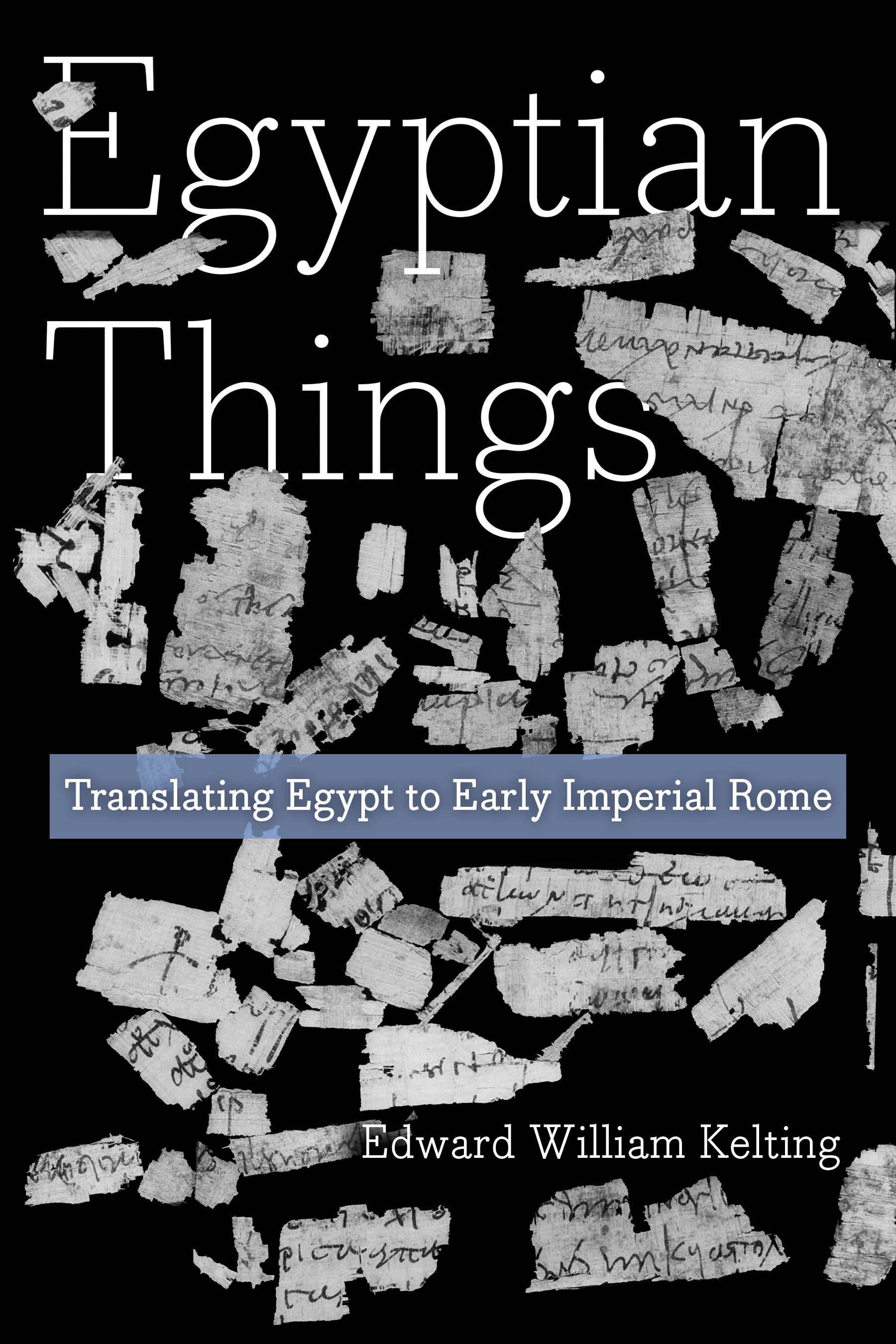
After the deaths of Antony and Cleopatra, Rome finally took control of Egypt. This occupation simultaneously facilitated and circumscribed the exchange of goods, people, and ideas along the paths carved across Rome’s burgeoning empire. In this book, Edward Kelting sets out to recapture one of these systems of exchange: the vibrant literary tradition known as Aegyptiaca—or “Egyptian things”—in which culturally mixed authors wrote about Egypt for a Greek and Roman audience. These authors have been dismissed as not really “Egyptian,” and their contemporary popularity has been ignored. But as Kelting powerfully argues, this genre in fact constitutes a vibrant intellectual tradition, developed from heterogeneous influences but deeply engaged with Egypt’s pharaonic past. In contrast to usual narratives of Roman domination, Kelting uncovers a complex project of political engagement and cultural translation in which Egyptians, Greeks, and Romans all participated.
After the deaths of Antony and Cleopatra, Rome finally took control of Egypt. This occupation simultaneously facilitated and circumscribed the exchange of goods, people, and ideas along the paths carved across Rome’s burgeoning empire. In this book, Edward Kelting sets out to recapture one of these systems of exchange: the vibrant literary tradition known as Aegyptiaca—or “Egyptian things”—in which culturally mixed authors wrote about Egypt for a Greek and Roman audience. These authors have been dismissed as not really “Egyptian,” and their contemporary popularity has been ignored. But as Kelting powerfully argues, this genre in fact constitutes a vibrant intellectual tradition, developed from heterogeneous influences but deeply engaged with Egypt’s pharaonic past. In contrast to usual narratives of Roman domination, Kelting uncovers a complex project of political engagement and cultural translation in which Egyptians, Greeks, and Romans all participated.
Pay easily by card, Klarna, Apple Pay or Google Pay. Not happy? You always have a 14-day money-back guarantee. Read more in our terms. If you have any questions, email us at hello@memmo.org.
Memmo makes studying easier – wherever you are in the world. We bring your course books and smart study tools together in one place: summaries, quizzes, podcasts and flashcards. Plus Ted, your study buddy who answers anything you wonder. Over 75,000 students already study here – built to help you learn faster and stress less.
You might also like
Buy the book0