
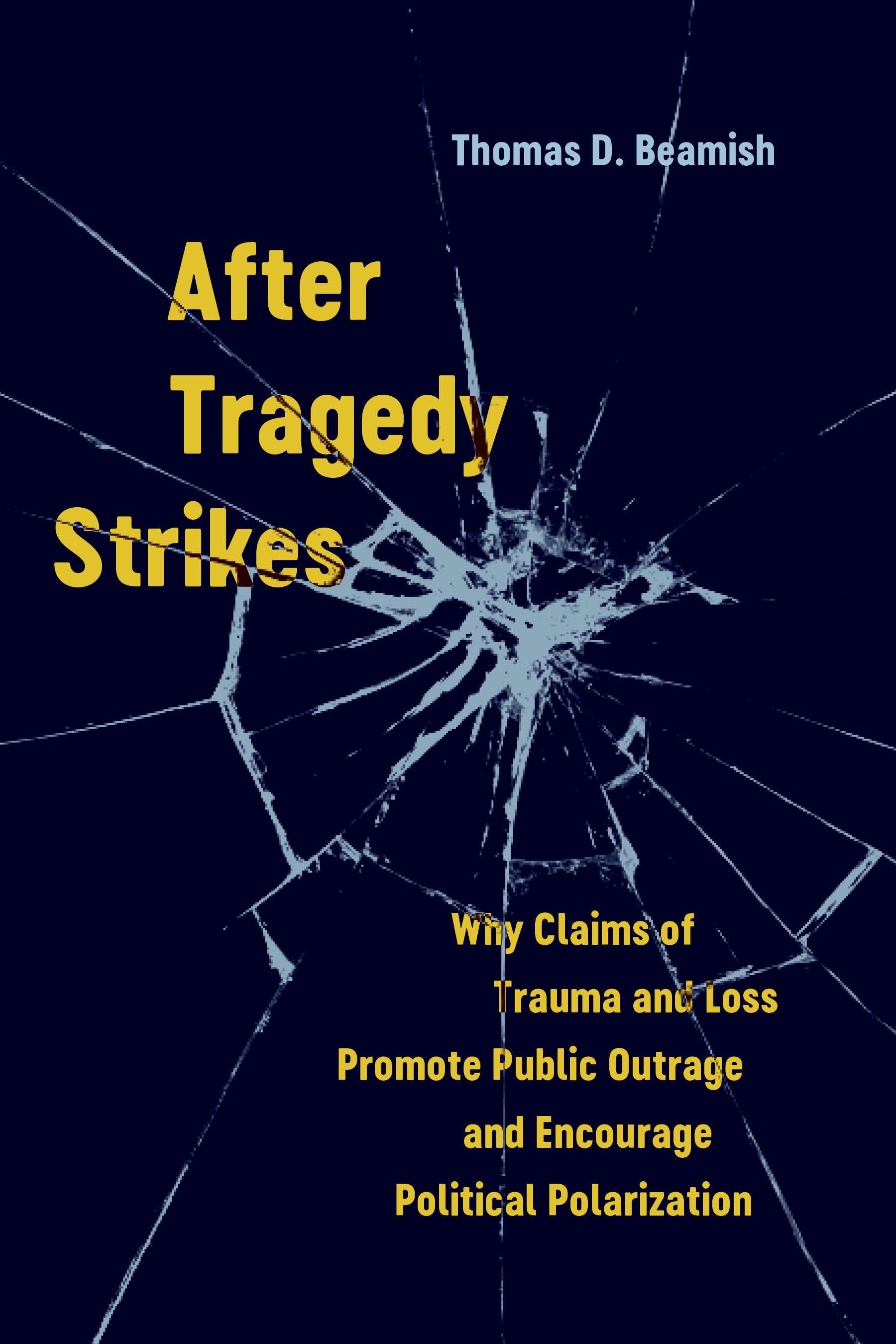
While trauma and loss can occur anywhere, most suffering is experienced as personal tragedy. Yet some tragedies transcend everyday life's sad but inevitable traumas to become notorious public events: de facto "public" tragedies. In these crises, suffering is made publicly visible and lamentable. Such tragedies are defined by public accusations, social blame, outpourings of grief and anger, spontaneous memorialization, and collective action. These, in turn, generate a comparable set of political reactions, including denial, denunciation, counterclaims, blame avoidance, and a competition to control memories of the event.
Disasters and crises are no more or less common today than in the past, but public tragedies now seem ubiquitous. After Tragedy Strikes argues that they are now epochal—public tragedies have become the day's definitive social and political events. Thomas D. Beamish deftly explores this phenomenon by developing the historical context within which these events occur and the role that political elites, the media, and an emergent ideology of victimhood have played in cultivating their ascendence.
Disasters and crises are no more or less common today than in the past, but public tragedies now seem ubiquitous. After Tragedy Strikes argues that they are now epochal—public tragedies have become the day's definitive social and political events. Thomas D. Beamish deftly explores this phenomenon by developing the historical context within which these events occur and the role that political elites, the media, and an emergent ideology of victimhood have played in cultivating their ascendence.
Pay easily by card, Klarna, Apple Pay or Google Pay. Not happy? You always have a 14-day money-back guarantee. Read more in our terms. If you have any questions, email us at hello@memmo.org.
Memmo makes studying easier – wherever you are in the world. We bring your course books and smart study tools together in one place: summaries, quizzes, podcasts and flashcards. Plus Ted, your study buddy who answers anything you wonder. Over 50,000 students already study here – built to help you learn faster and stress less.
You might also like
Buy the book0