
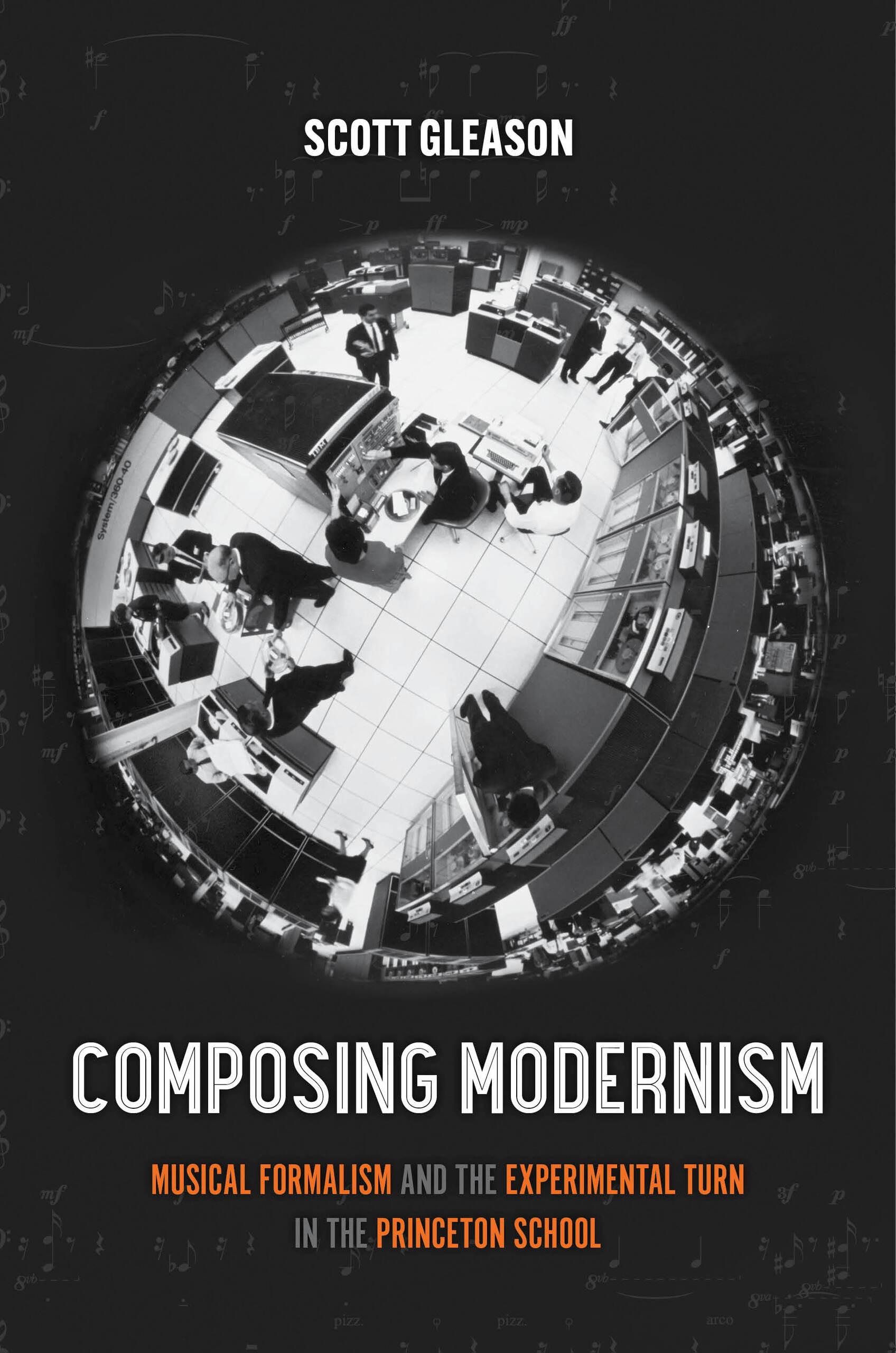
Composing Modernism is the first book-length study to tell the fascinating story of a key strain of American composition during the Cold War. The Princeton School set aspirations for postwar music composition and discourse. Milton Babbitt especially sought a scientific conception of the composing researcher. Around 1967, J. K. Randall began challenging the School's tenets of twelve-tone composition, music-theoretical axiomatization, and electronic synthesis. Randall, Elaine Barkin, and Benjamin Boretz embraced Cagean experimentalism and turned to phenomenology, improvisation, and new forms of community making. This book explores these contrasting paradigms of the musical avant-garde, with a focus on the people, subjects, and aesthetic and formal aspects of a major force in Cold War music. By uncovering many of the ideologies of the Princeton School, Scott Gleason highlights the utopian thought that was central across several generations of Princeton composer-theorists.
Pay easily by card, Klarna, Apple Pay or Google Pay. Not happy? You always have a 14-day money-back guarantee. Read more in our terms. If you have any questions, email us at hello@memmo.org.
Memmo makes studying easier – wherever you are in the world. We bring your course books and smart study tools together in one place: summaries, quizzes, podcasts and flashcards. Plus Ted, your study buddy who answers anything you wonder. Over 50,000 students already study here – built to help you learn faster and stress less.