
A free book version of this title is available through Luminos, University of California Press's Open Access publishing program. Visit www.luminosoa.org to learn more.
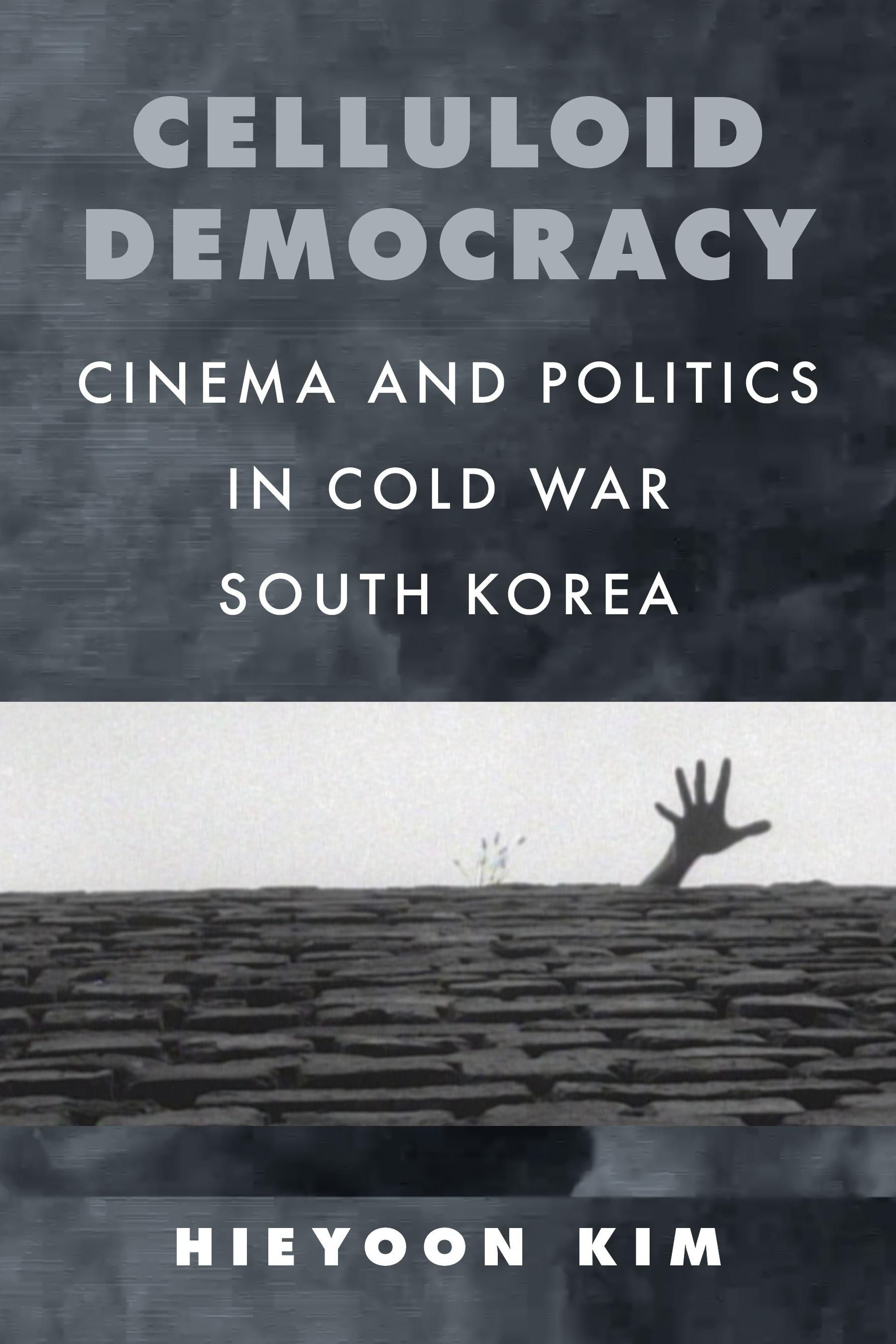
Celluloid Democracy tells the story of the Korean filmmakers, distributors, and exhibitors who reshaped cinema in radically empowering ways through the decades of authoritarian rule that followed Korea's liberation from Japanese occupation. Employing tactics that ranged from representing the dispossessed on the screen to redistributing state-controlled resources through bootlegging, these film workers explored ideas and practices that simultaneously challenged repressive rule and pushed the limits of the cinematic medium. Drawing on archival research, film analysis, and interviews, Hieyoon Kim examines how their work foregrounds a utopian vision of democracy where the ruled represent themselves and access resources free from state suppression. The first book to offer a history of film activism in post-1945 South Korea, Celluloid Democracy shows how Korean film workers during the Cold War reclaimed cinema as an ecology in which democratic discourses and practices could flourish.
Celluloid Democracy tells the story of the Korean filmmakers, distributors, and exhibitors who reshaped cinema in radically empowering ways through the decades of authoritarian rule that followed Korea's liberation from Japanese occupation. Employing tactics that ranged from representing the dispossessed on the screen to redistributing state-controlled resources through bootlegging, these film workers explored ideas and practices that simultaneously challenged repressive rule and pushed the limits of the cinematic medium. Drawing on archival research, film analysis, and interviews, Hieyoon Kim examines how their work foregrounds a utopian vision of democracy where the ruled represent themselves and access resources free from state suppression. The first book to offer a history of film activism in post-1945 South Korea, Celluloid Democracy shows how Korean film workers during the Cold War reclaimed cinema as an ecology in which democratic discourses and practices could flourish.
Pages: 182
Category: Film- & Medievetenskap
e-ISBN: 9780520394384
Shipping weight: 1.2 kg
Ships in: 1-2 days
Pay easily by card, Klarna, Apple Pay or Google Pay. Not happy? You always have a 14-day money-back guarantee. Read more in our terms. If you have any questions, email us at hello@memmo.org.
Memmo makes studying easier – wherever you are in the world. We bring your course books and smart study tools together in one place: summaries, quizzes, podcasts and flashcards. Plus Ted, your study buddy who answers anything you wonder. Over 50,000 students already study here – built to help you learn faster and stress less.
You might also like
Buy the book0