
A free book version of this title is available through Luminos, University of California Press's Open Access publishing program. Visit www.luminosoa.org to learn more.
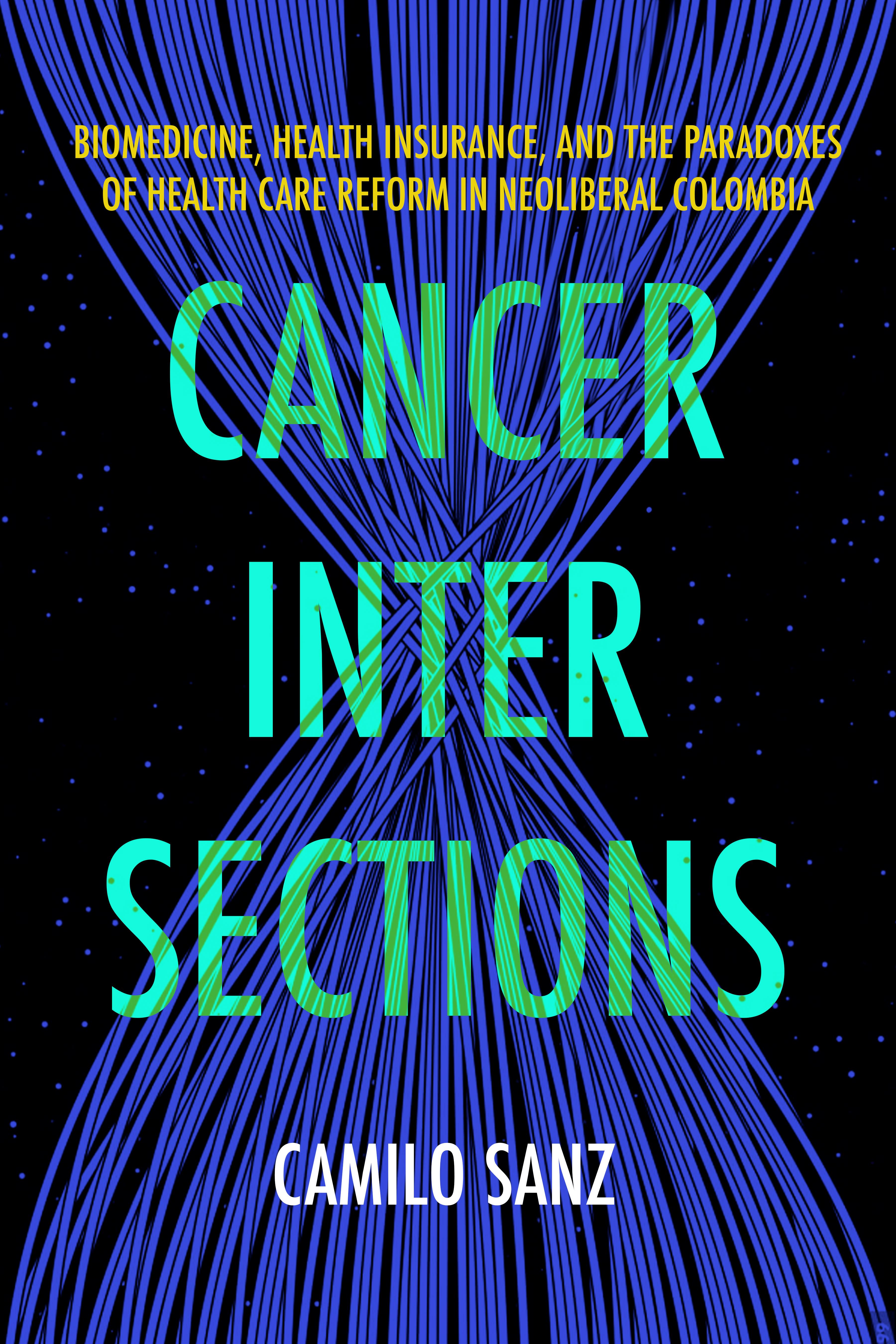
Cancer Intersections is an ethnographic analysis of the complex and paradoxical efforts to access neoliberal, market-based oncological treatments in Colombia, a country where all patients are legally guaranteed access to medical services, including high-cost ones. Drawing on years of fieldwork in the city of Cali, Camilo Sanz explores the deep entanglements between medical, legal, and policy practices that share a common goal of treating and curing cancer but are hindered by bureaucratic procedures, pernicious financial interests, and class politics. Cancer Intersections shows how the interplay of these hurdles dictates the rhythm at which patients access treatment and how even in resource-rich settings, patients suffer because of market imperatives that shape how cancer treatments unfold. Through careful and measured observation, Sanz unveils how a neoliberal universal health care regime delays access to care for those reliant on public assistance, which means that some patients will start expensive treatments only after it is unlikely to change the course of the disease.
Cancer Intersections is an ethnographic analysis of the complex and paradoxical efforts to access neoliberal, market-based oncological treatments in Colombia, a country where all patients are legally guaranteed access to medical services, including high-cost ones. Drawing on years of fieldwork in the city of Cali, Camilo Sanz explores the deep entanglements between medical, legal, and policy practices that share a common goal of treating and curing cancer but are hindered by bureaucratic procedures, pernicious financial interests, and class politics. Cancer Intersections shows how the interplay of these hurdles dictates the rhythm at which patients access treatment and how even in resource-rich settings, patients suffer because of market imperatives that shape how cancer treatments unfold. Through careful and measured observation, Sanz unveils how a neoliberal universal health care regime delays access to care for those reliant on public assistance, which means that some patients will start expensive treatments only after it is unlikely to change the course of the disease.
Pay easily by card, Klarna, Apple Pay or Google Pay. Not happy? You always have a 14-day money-back guarantee. Read more in our terms. If you have any questions, email us at hello@memmo.org.
Memmo makes studying easier – wherever you are in the world. We bring your course books and smart study tools together in one place: summaries, quizzes, podcasts and flashcards. Plus Ted, your study buddy who answers anything you wonder. Over 50,000 students already study here – built to help you learn faster and stress less.
You might also like
Buy the book0